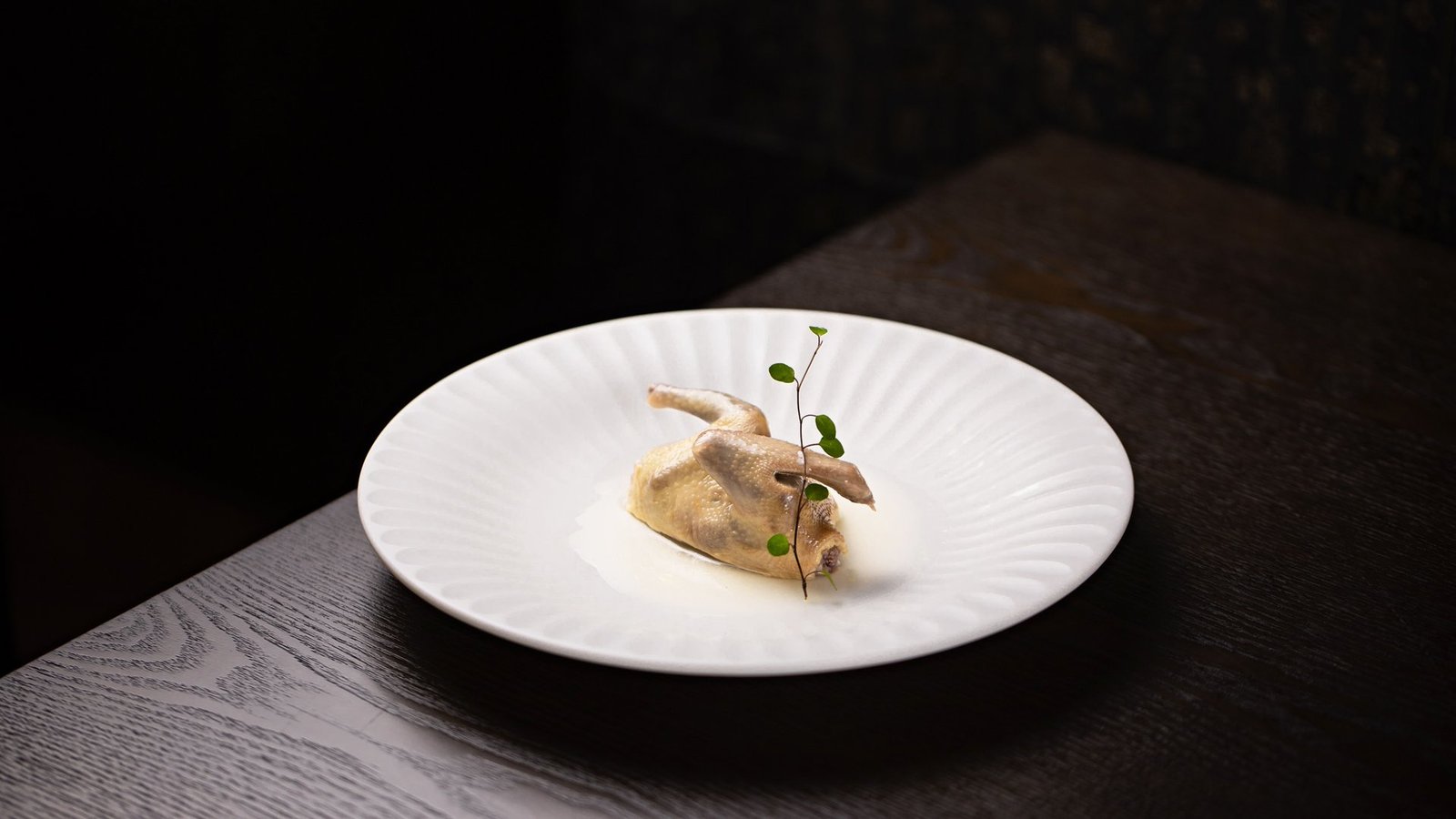
A prominent restaurant in Seoul, recognized with two Michelin stars, has attracted legal attention due to its unconventional use of ants as a garnish in desserts. The establishment, Evett, located in the South Korean capital, faced penalties totaling 25 million won (approximately $10,965) for breaching the Food Sanitation Act, according to local news outlets.
The owner of Evett received a personal fine of 15 million won, while the restaurant’s operating company was fined 10 million won. This decision stemmed from the fact that ants are not classified among the 10 insect species permitted for human consumption within South Korea. The list of approved insects includes varieties like grasshoppers, locusts, and certain types of silkworms.
During the court proceedings, prosecutors initially sought to impose a one-year prison sentence for the restaurant owner, alongside a higher fine of 20 million won. However, the judge ultimately considered the owner’s admission of guilt and lack of a previous criminal record. Despite this leniency, the judge remarked on the seriousness of the violation, highlighting the discovery of excessive heavy metals in the ants during testing, which contributed to the severity of the case.
Discovery and Usage of Ants in Culinary Practices
Reports indicate that the restaurant owner was unaware of the legal restrictions surrounding the use of ants in food preparations, as these insects are utilized in culinary practices in various parts of the world. The Ministry of Food and Drug Safety’s investigation was prompted by online reviews that included images showcasing the ants as a garnish. Over a span of nearly four years, the owner reportedly added three to five ants to specific dishes to impart a distinct “sour taste,” leading to the use of around 49,000 ants.
Most of the ants utilized at Evett were imported from the United States, with a portion sourced from Thailand. The owner defended the practice by stating that ants constituted a “small part” of the restaurant’s extensive 15-course menu. Diners were also informed that they could choose alternative toppings that did not include ants.
Cultural Context of Insect Consumption
Insects such as ants are regarded as delicacies in several cultures across Asia, Africa, and Latin America. For example, in regions like Thailand and Cambodia, weaver ants and their eggs are integrated into traditional dishes. In Colombia, queen ants are highly esteemed, comparable to the luxury of caviar. This highlights the varying perceptions of insect consumption in global cuisines, contrasting sharply with the regulatory environment in South Korea.
The Michelin Guide ranks a two-star restaurant as one that delivers “excellent cooking” and is deemed “worth a detour,” illustrating the high standards upheld within this culinary landscape.