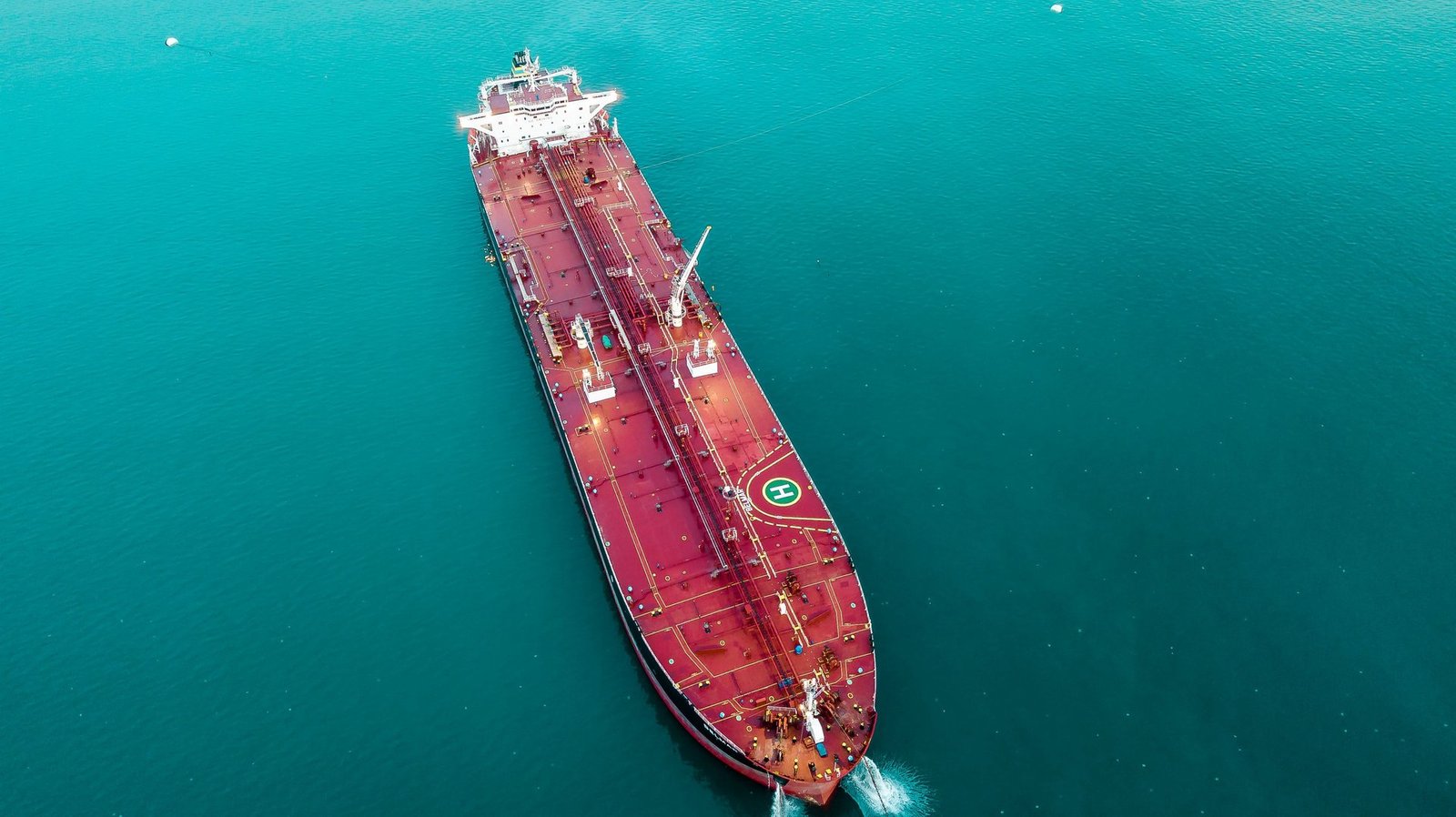
India, one of the world’s largest oil importers, has been capitalizing on the disruption in global oil markets due to Russia’s conflict-driven strategies. Russian oil, shunned by Western countries since the Ukraine invasion, has found a major market in India, arriving at attractive prices that have benefited Indian refineries. However, this advantageous arrangement now faces potential geopolitical challenges.
US Legislative Move and Its Implications
In a significant move, the US House of Representatives has passed a bill granting President Donald Trump the authority to impose sanctions on Russia and levy tariffs as high as 100% on nations purchasing Russian oil and gas. This legislation now awaits Trump’s approval to become law. The measure primarily targets countries like India and China, which are substantial consumers of Russian oil.
Between December 2022 and August 2026, China and India were the leading importers of Russian crude, with China taking 50% and India 37%, according to the Centre for Research on Energy and Clean Air (CREA). India’s dependency on Russian oil was significant, with 30.3% of its crude imports in fiscal 2026 coming from Russia, valued at $40.8 billion.
Potential Economic and Trade Repercussions
The proposed US tariffs could have profound effects on India’s economy. They would not be a direct tax on Russian crude entering India but would impact Indian exports to the US. The new tariffs could disrupt Indian exports, affecting sectors like electronics, pharmaceuticals, and textiles, which are crucial to India’s trade with the US.
In 2025, the US imported approximately $104 billion of goods from India, highlighting the significance of this trading relationship. The looming tariffs threaten to complicate ongoing trade negotiations and strain Indo-US relations.
India’s Strategic Response
India has expressed its commitment to ensuring energy security for its population while monitoring developments closely. The country has been in talks with the US to address the implications of the proposed tariffs on bilateral relations and the international energy market.
Analysts suggest that India could seek alternative crude suppliers, although this would likely increase costs for freight, insurance, and shipping. The challenge lies in finding sufficient alternative sources to replace Russian oil without further tightening the global market.
Balancing Risks and Benefits
The situation leaves India in a complex position, needing to weigh the benefits of continued access to discounted Russian oil against the potential risks to its exports to the US. The decision will depend on various factors, including global crude prices and the terms of any US-India trade agreements.
Ultimately, experts argue that India should not let US tariff threats dictate its energy policy. Instead, India should continue to purchase Russian oil if it remains economically viable while negotiating firmly with the US to avoid one-sided trade concessions.