
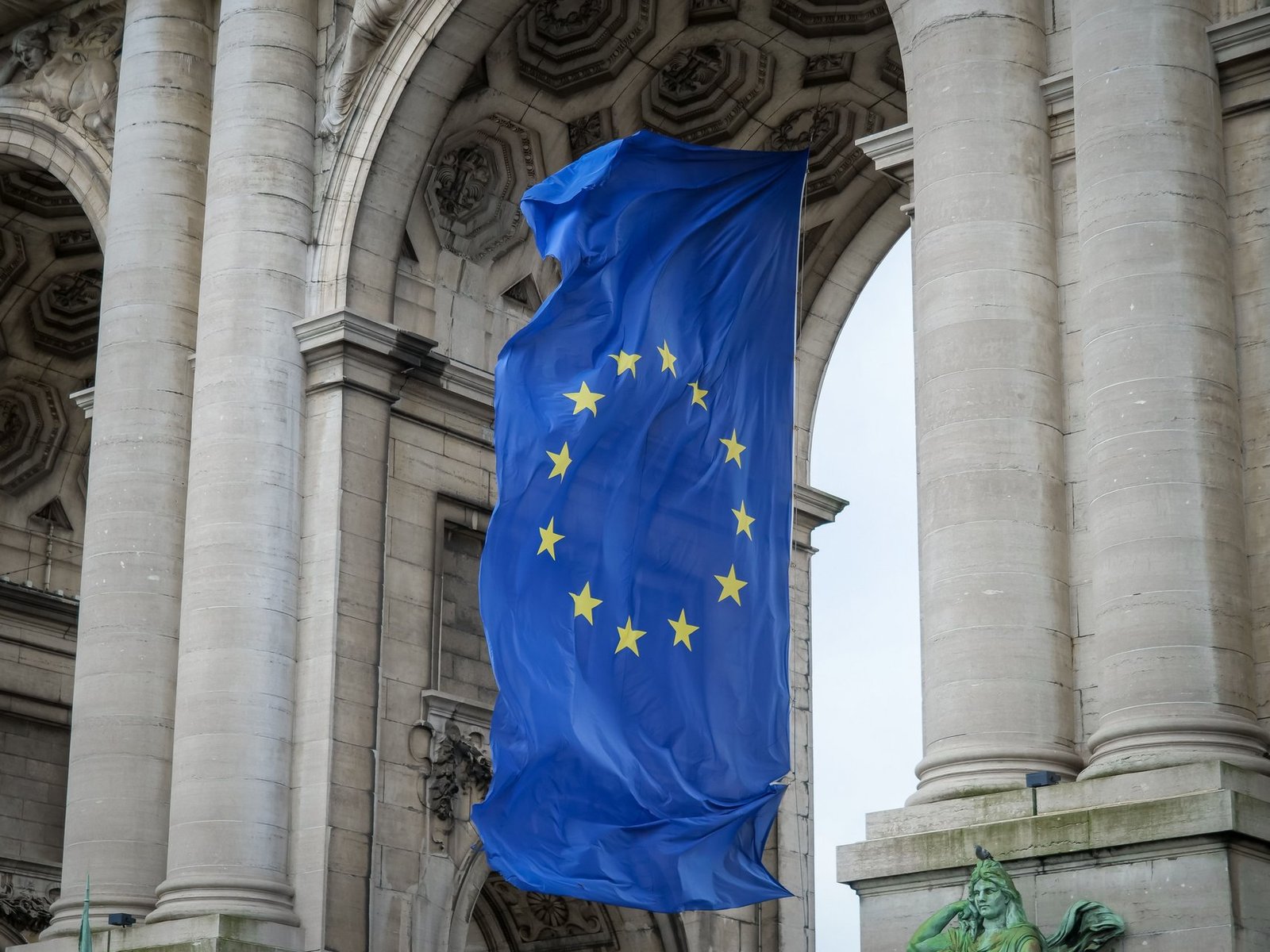
This summer, Finland’s President Alexander Stubb humorously suggested that it might be preferable for Canada to join the European Union as its 28th member rather than becoming the 51st state of the United States. His comment was a playful jab at US President Donald Trump, who has repeatedly expressed a desire to annex Canada as another American state, much to the dismay of Canadians.
Strengthening EU-Canada Relations
Despite the jest, President Stubb’s remarks highlight a genuine trend of increasing cooperation between Canada and the EU. Currently, Canada is seeking a “unique alliance” with the EU, as confirmed by Canadian Prime Minister Mark Carney. On the EU side, European Commission President Ursula von der Leyen has expressed interest in exploring Canada’s potential as an “associate member,” fostering closer collaborations in areas like manufacturing and energy.
The driving force behind this growing EU-Canada relationship appears to be the policies of President Trump. His recent map of North America, which provocatively included Canada and Greenland under the US flag, has only fueled tensions.
Trade Tensions and Strategic Alliances
Trade negotiations between the US and Canada broke down recently, exacerbating the situation. While the EU has accepted the imposition of new tariffs from the US, Canada, under Carney’s leadership, has responded with its own counter-tariffs. This proactive stance has been noted by European nations, many of whom have also been affected by US tariffs.
Canada’s determination to align more closely with the EU is evident. For instance, Canada has joined the EU’s Security Action for Europe (SAFE) defence fund, while the UK remains hesitant. Additionally, Carney has been invited to speak at the European Commission’s annual State of the Union address, underscoring the importance of this budding relationship.
Beyond Trade: Diversification Efforts
The EU and Canada aim to diversify their strategic partnerships beyond traditional trade. Both parties seek to reduce their reliance on the US in critical areas such as digital technology, energy, raw materials, and defence procurement. Canada, for example, has been investing in European military equipment, opting for German submarines and Swedish aircraft over American options.
Polls indicate strong Canadian support for closer EU ties, with a significant portion of the population even backing the idea of EU membership, despite legal barriers. The Comprehensive Economic and Trade Agreement (CETA) already positions the EU as Canada’s second-largest trading partner, behind the US.
Challenges and Future Prospects
Despite these efforts to foster a closer relationship, the reality of decoupling from the US is complex. The US remains Canada’s largest trading partner, with a bilateral trade value of nearly $900 billion last year, dwarfing the $130 billion between Canada and the EU. Nonetheless, the EU and Canada are committed to advocating for a rules-based global trade system.
A summit between the EU and Canada is planned for next month, with working groups set to tackle the detailed aspects of their cooperation. The “Trump effect” has undoubtedly influenced these developments, as both Europe and Canada seek to safeguard their interests amidst global uncertainties.
While European leaders have been discreet in publicly supporting Carney’s stance against Trump, behind-the-scenes discussions are ongoing. Leaders like Emmanuel Macron and Giorgia Meloni are reportedly engaging in private dialogues with Carney to explore deeper ties.
Mark Carney’s visit to the European Parliament in Strasbourg, followed by a meeting with the UK’s new Prime Minister Andy Burnham in Liverpool, indicates a continued focus on strengthening international relationships. As the EU and Canada navigate these evolving dynamics, the potential for a robust alliance remains promising.