In Bangladesh’s bustling capital, Dhaka, residents like Parvin Akter are grappling with the unreliable supply of piped gas, a consequence of the ongoing global energy crisis. Parvin often finds herself waiting until midnight to prepare dinner due to the sporadic availability of gas. Even her switch to an induction cooker has offered little relief, as frequent power outages leave meals half-cooked.
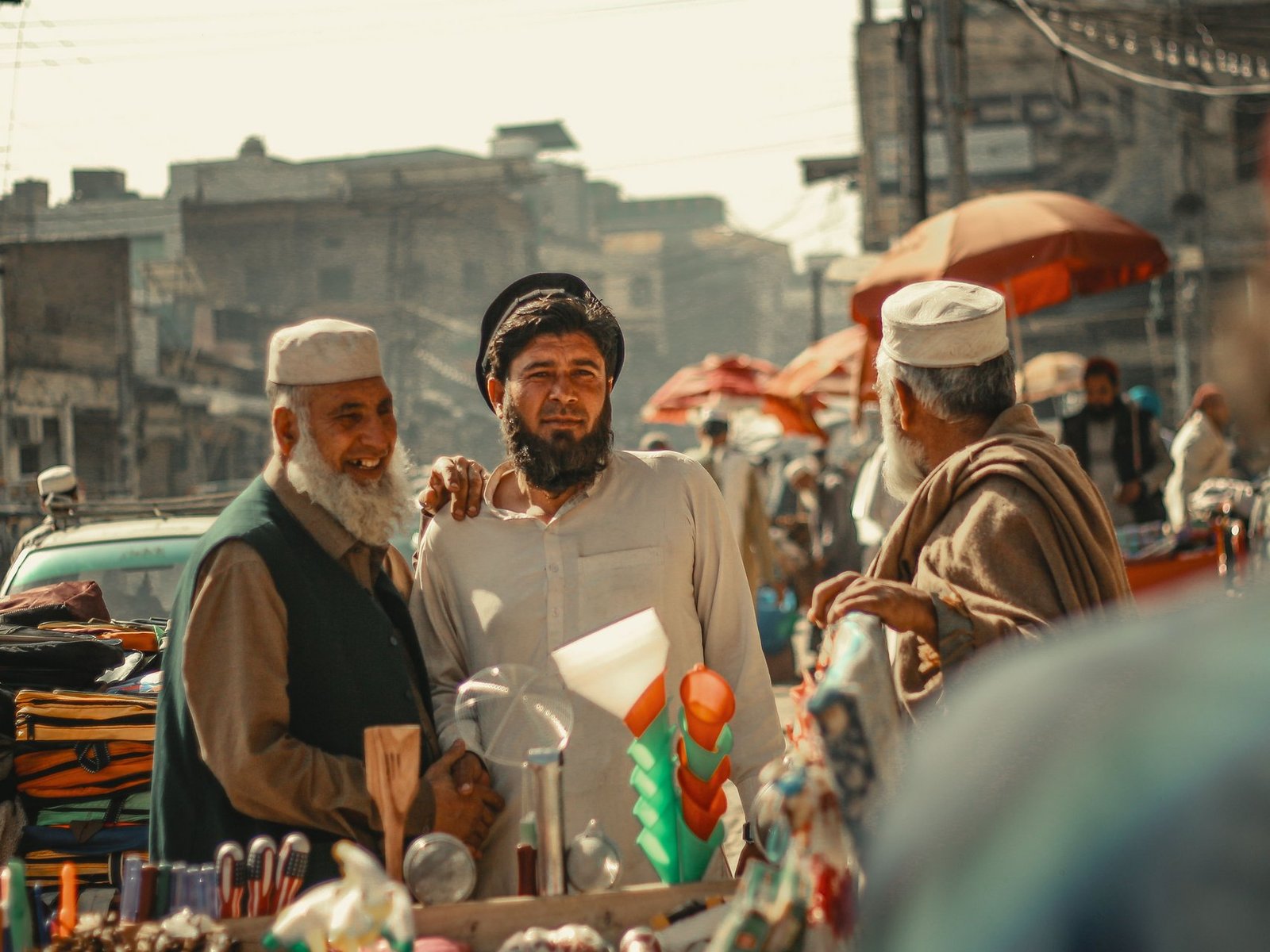
Over 2,000 kilometers away in Pakistan, the government has launched a fuel subsidy program to alleviate soaring fuel prices. However, the implementation has been fraught with difficulties, leaving many, like Karachi resident Mohammad Musharraf, frustrated with the cumbersome registration process required to access the subsidy.
Global Tensions Impact Energy Supply
The energy disruptions in South Asia are part of a larger crisis exacerbated by geopolitical tensions in the Gulf. Six months ago, attacks by the US and Israel on Iran disrupted oil and gas exports through the Strait of Hormuz, and current hostilities between Saudi Arabia and the Houthis threaten trade via the Red Sea.
This unrest has driven Asian spot liquefied natural gas (LNG) prices to spike once again, reaching nearly $30 per million British thermal units, a stark increase from the pre-war level of $10. The global shortfall, estimated by Shell to be around 36 million tonnes of LNG from the Middle East, is particularly challenging for countries with limited financial resources to manage such crises.
Bangladesh Faces Severe Energy Shortages
In Bangladesh, the reliance on imported LNG for over 40% of its electricity has led to significant challenges, especially with disrupted deliveries from Qatar, which previously accounted for 95% of imports. The country is now forced to seek more expensive alternatives on the spot market.
Power Minister Iqbal Hasan Mahmud noted a slowdown in industrial growth and production due to these energy shortages. The garment industry, Bangladesh’s largest export sector, has been hit hard, with a trade group survey revealing that over half of knitwear factories have experienced order cancellations or reductions. Production halts have become common, and some factories have incurred additional costs to meet deadlines, resorting to air freight for shipments.
Pakistan Struggles with Fuel Prices
Pakistan’s energy sector is also under pressure, though to a lesser extent. The government has implemented austerity measures, including early market closures and reduced fuel allocations for official vehicles, to conserve resources. The power sector requires substantial gas supplies to meet winter demands, yet only two LNG shipments have been confirmed for September.
The recent solar power advancements have provided some relief, but the need for gas remains critical for other sectors. Concurrently, the Prime Minister’s Fuel Relief Scheme aims to ease the burden of skyrocketing fuel costs by offering subsidies to motorcycle, rickshaw, and small-car owners. Despite this, many Pakistanis, like rickshaw driver Amesh Gul, find the assistance insufficient as they struggle with the rising costs of living.