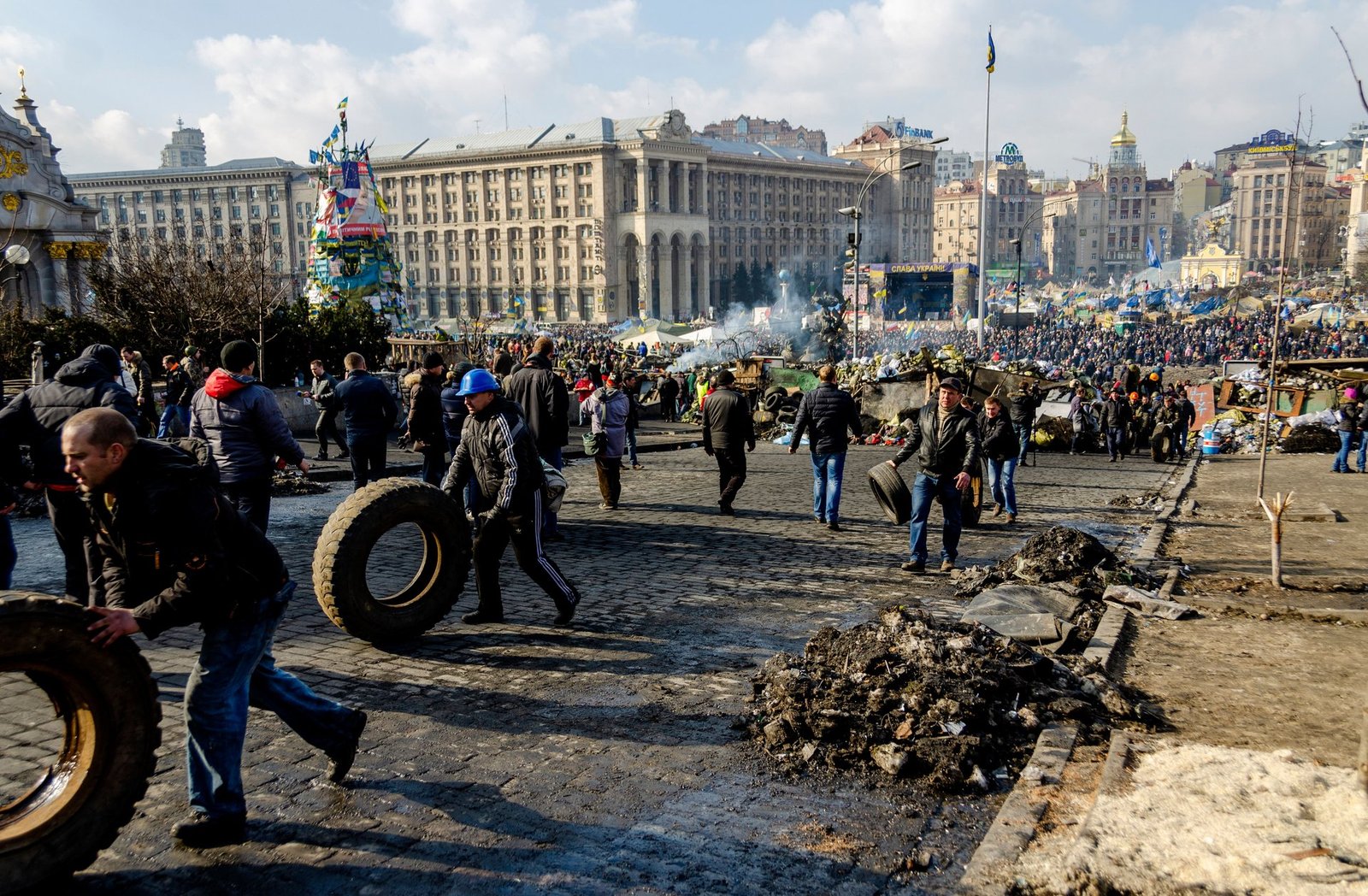
In the wake of Russia’s intensified missile assault on Ukraine’s capital, Kyiv residents find their resilience tested like never before. The once somewhat predictable rhythm of air raids has given way to a relentless barrage, catching many off guard.
Increased Frequency and Impact
For Daria, a 27-year-old living in Kyiv, the sound of explosions had become a part of life she could manage. Like many Ukrainians, she adhered to the “two-wall rule,” a safety measure to reduce the risk of harm during attacks. However, the situation has drastically changed this year.
In July alone, Kyiv was targeted by dozens of ballistic missiles in just the first ten days, resulting in nearly 60 civilian casualties. These large-scale offensives continued through August and September, marking a significant escalation in the conflict.
Daria’s realization of the increased threat came in May, during a night of intense bombardment. Watching a boxing match in her ninth-floor apartment, she felt the windows slam from the blast waves, and the experience left her shaken. Opting for safety, she moved to her family’s country house in Romankiv, 30 kilometers away, though this decision means a long daily commute to her job in Kyiv’s defense sector.
Adapting to a New Normal
Many Kyiv residents, like Daria, are reconsidering their daily lives in response to the heightened attacks. Previously, Ukraine’s air-defense system provided some forewarning, allowing people to seek shelter. Now, with Russia’s shift to high-speed ballistic missiles, warnings come with mere minutes to spare, or sometimes not at all.
Olha Vlasova, who lives with her 98-year-old mother, Nadia Tsybina, faces her own challenges. Despite her age, Nadia remains engaged with world events, distinguishing between intercepted missiles and those that hit their targets just by listening. With limited mobility, the pair has developed their own protective measures during raids, such as using a mattress to shield against flying glass.
Impact on Daily Life and Infrastructure
The increased threat affects all aspects of life in Kyiv. Day and night, air raid alerts disrupt routines, forcing residents into shelters and halting public services. When the school year resumed in September, air raid sirens and subsequent explosions led to injuries and disrupted education, with many children spending hours in school basements.
Public transport is also affected, with metro services suspended during alerts, severing connections across the Dnieper River. This disruption means residents like Olha face costly taxi rides to cross the city, further straining their resources.
Calls for International Support
The ongoing situation has left residents frustrated with the international response. Despite President Volodymyr Zelensky’s repeated appeals for more air-defense systems, some allies have hesitated, fearing their own potential vulnerabilities. Olha likens this to withholding medicine from a patient in need.
Meanwhile, families like Natalia Bushkovska’s prepare for the worst. Each night, she rehearses emergency plans for her family, keeping essentials packed and ready. The psychological impact of constant vigilance is taking its toll, leaving residents exhausted and struggling to recover from sleepless nights.
As the attacks continue, the resilience of Kyiv’s people is tested daily, with many hoping for more robust international support to help withstand the ongoing siege.