In the wake of a series of brutal murders of women in Ekurhuleni, South Africa, communities are gripped by fear and anger. The recent discovery of multiple bodies has reignited a national debate on the pervasive issue of gender-based violence in the country.
Tragic Losses in Ekurhuleni
Nokwanda Matshikiza is in mourning after the loss of her niece, Dineo Motapane, whose body was discovered in Ekurhuleni. The 38-year-old mother of two was last seen alive on a Sunday, only to be found days later, her body showing signs of severe assault and partial burning. Nokwanda struggles with the task of explaining this brutal event to Dineo’s young daughter.
Similar tragic stories have emerged from the region, with nine women reported dead under suspicious circumstances since July. Among them was Itumeleng Kekana, a 32-year-old shopkeeper, whose body was discovered bruised and partially clothed after she went missing for over two weeks.
National Outcry and Calls for Action
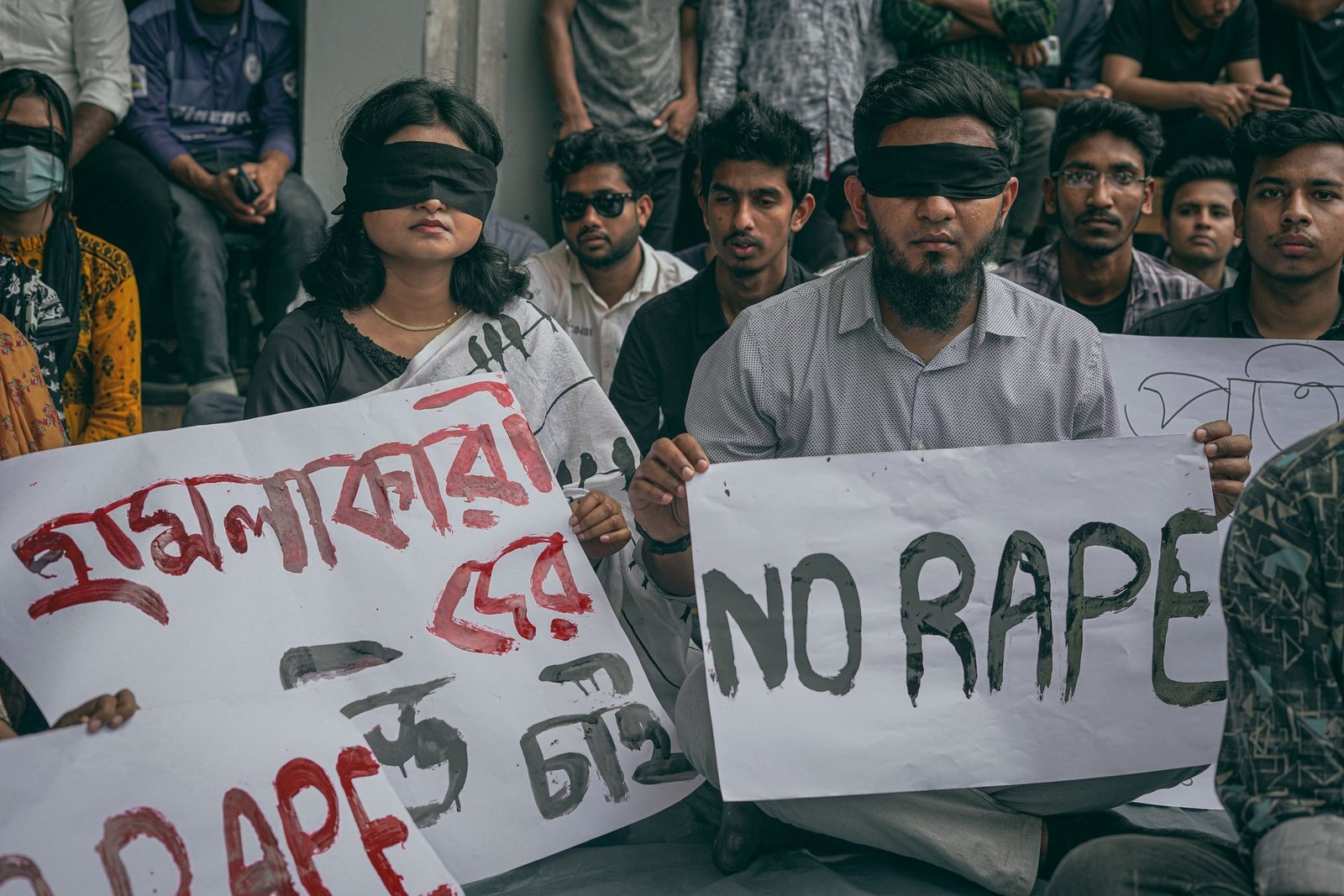
These incidents have spurred public outrage and calls for the government to take stronger action to protect women. Despite the arrest of one suspect related to the initial discovery, there have been no further arrests concerning the other victims.
South Africa’s President Cyril Ramaphosa has vowed to thoroughly investigate these crimes, urging the nation to uphold the rights and safety of women. Rights organizations, such as Amnesty International, are demanding that femicide be recognized as a specific crime to address the targeted killing of women effectively.
Historical Context and Present Challenges
The violence against women in South Africa is deeply rooted in historical injustices, including the colonial and apartheid eras. Advocates like Lebogang Ramofoko argue that the devaluation of black women’s lives persists, a legacy of systemic violence that has yet to be resolved.
Communities in Ekurhuleni, particularly those in areas like Kempton Park, are responding with protests and demands for better protection and justice. Citizens express a profound sense of insecurity, as many women fear for their safety in public spaces and even within their homes.
Voices from the Community
Local residents, including Thulisile Sibande and Thembi Mabena, share their experiences of fear and trauma. They emphasize the urgent need for effective measures to ensure the safety of women and girls in South African society.
As the nation grapples with this crisis, there is a growing consensus that more decisive action is needed from both the government and society to address the root causes of gender-based violence and to protect the lives of women across the country.