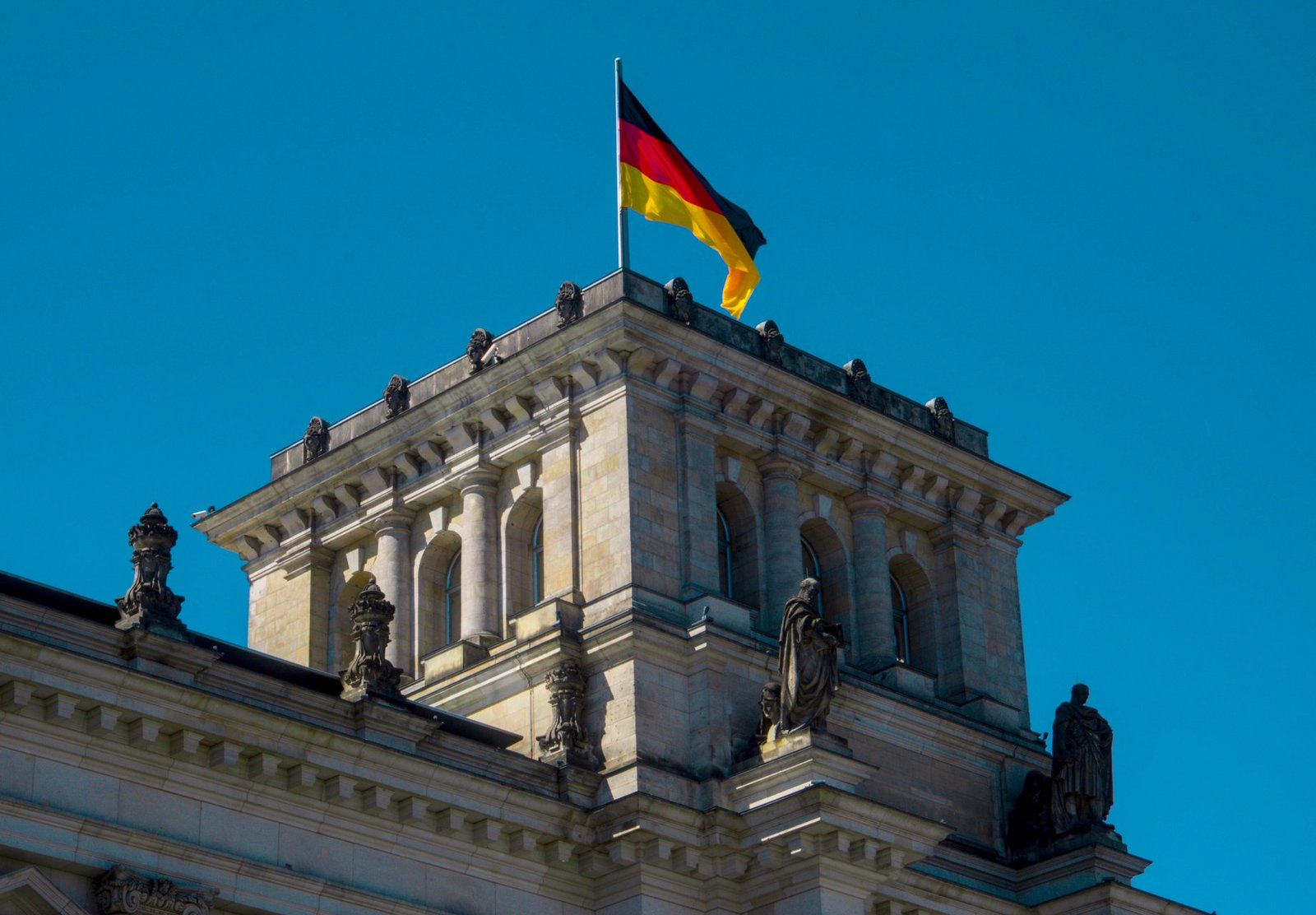
Germany, a nation deeply rooted in political stability, is currently facing a significant challenge under the leadership of Chancellor Friedrich Merz. His tenure has been marked by a series of negative records, with his approval ratings plummeting to unprecedented lows. This turmoil is not only affecting Germany but also has broader implications for the European Union and its neighboring countries.
Struggles and Setbacks for Merz’s CDU
Since taking office, Merz has struggled to connect with the electorate, with many perceiving him as disconnected from their concerns. His conservative Christian Democratic Union (CDU) has faced a series of electoral defeats in regional elections, including a particularly dismal performance in Mecklenburg-Vorpommern, where the party failed to secure even 5% of the vote.
In stark contrast, the far-right Alternative for Germany (AfD) has gained considerable ground. The AfD, which Merz had vowed to diminish, emerged as a dominant political force in recent state elections, even securing a potential governing role in Saxony-Anhalt. This rise of the AfD, labeled by some as far-right extremists, poses a sensitive issue for Germany, given its historical context.
Shifting Political Landscape
The success of the AfD reflects broader voter dissatisfaction with traditional parties, which have been perceived as ineffective in addressing economic and immigration issues. This sentiment has been brewing since the 2007/8 financial crisis, exacerbated by the 2015 migration crisis, which saw over a million refugees entering Germany, challenging integration efforts.
Additionally, the ongoing impact of Russia’s invasion of Ukraine and the resulting energy crisis have further strained Germany’s economy. High energy costs and disrupted trade relationships have compounded the challenges for Merz’s administration.
Implications for the EU and Beyond
Germany’s political and economic instability has significant repercussions for the EU. As the largest economy in the eurozone and a major contributor to the EU budget, Germany’s internal challenges can ripple across the continent. Merz’s push to reduce financial contributions to the EU amid these pressures contrasts with the bloc’s desire to increase spending on defense and technology.
With Europe’s geopolitical landscape shifting, the EU is closely monitoring Germany’s internal dynamics, especially with nationalist and Eurosceptic parties gaining traction across the continent. As major European countries prepare for upcoming elections, the outcomes in Germany could set a precedent for political trends in the region.