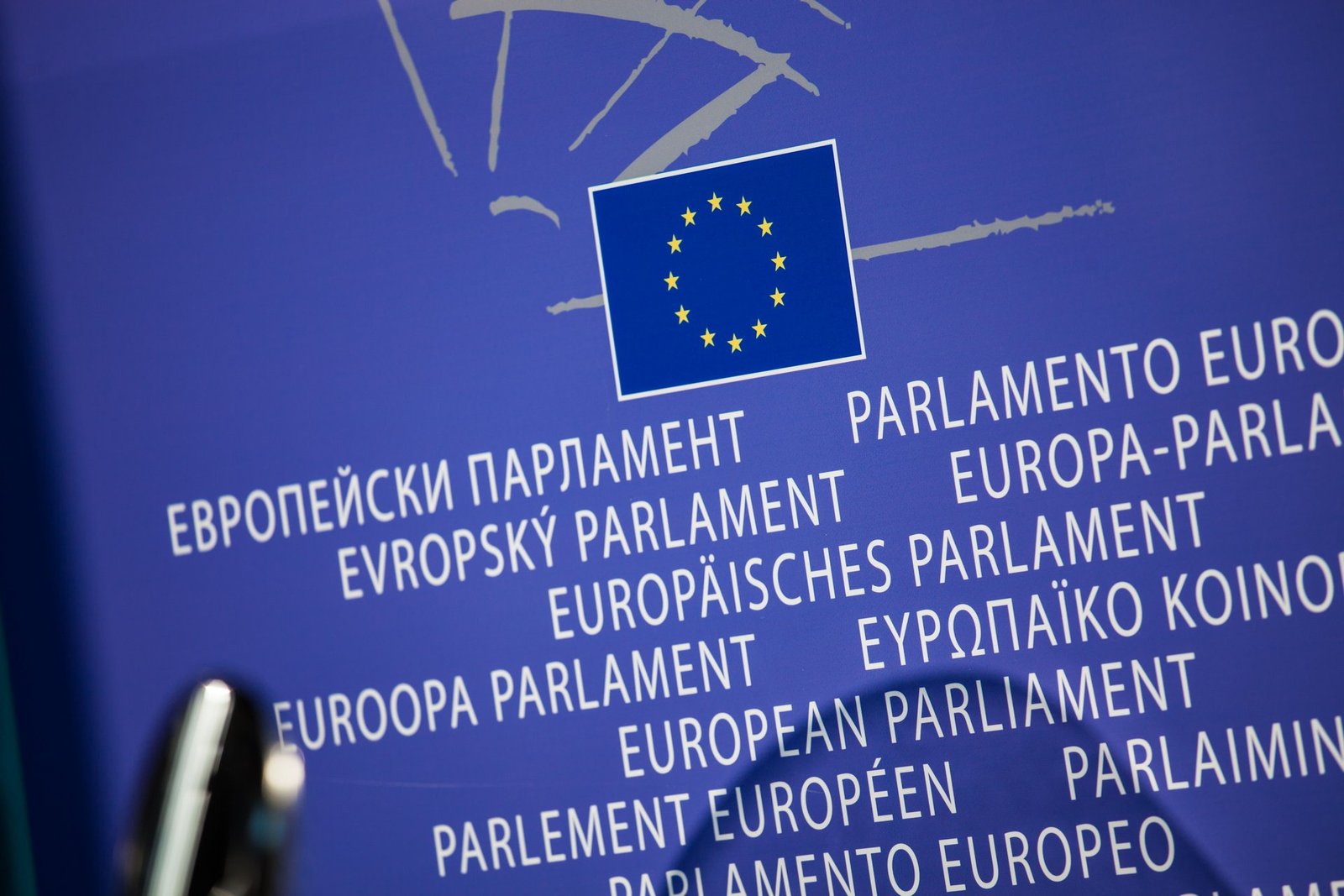
The European Union’s top diplomat, Kaja Kallas, has reiterated the bloc’s strong commitment to maintaining sanctions against Russia. This assertion was made during a press briefing in New York, following a meeting of EU foreign ministers. Kallas emphasized that these sanctions are pivotal in countering Russia’s military aggression and in limiting its financial resources.
Sanctions have become an essential element of the EU’s strategy in response to the ongoing conflict initiated by Russia. The measures aim to weaken Moscow’s ability to sustain its military operations and to signal the EU’s unity in opposing acts of aggression against its neighbors. Kallas stated, “Sanctions are a core pillar of our response to Russia’s war,” underscoring their importance in the broader geopolitical landscape.
The discussions among the EU ministers in New York not only focused on the efficacy of existing sanctions but also explored potential avenues for enhancing their impact. The ministers reviewed the current situation in Ukraine and discussed ways to bolster support for the country, which has been under severe pressure since the onset of hostilities.
Context of the Sanctions
The sanctions against Russia were first implemented in response to its annexation of Crimea in 2014, and they have been expanded significantly since the escalation of the conflict in Ukraine in February 2022. These measures target key sectors of the Russian economy, including energy, finance, and military supplies, aiming to isolate Russia economically and politically.
As the situation evolves, the EU has shown a willingness to adapt its sanctions framework to ensure that it remains effective. The collective stance of EU member states reflects a commitment to not only penalize Russia but also to support Ukraine through military and humanitarian aid.
Implications for Future Relations
The continuation of sanctions carries significant implications for EU-Russia relations moving forward. Kallas’s remarks indicate that there is no immediate plan to ease the restrictions, as the EU seeks to maintain pressure on the Kremlin. This position could further strain diplomatic relations, which have already deteriorated considerably since the conflict began.
Moreover, the EU’s united front on this issue sends a clear message not only to Russia but also to other nations considering similar aggressive actions. The commitment to sanctions illustrates the EU’s resolve to uphold international law and protect the sovereignty of its member states and neighboring countries.
Conclusion and Next Steps
As the situation in Ukraine remains precarious, the EU is likely to continue its discussions on sanctions in upcoming meetings. The focus will be on assessing the effectiveness of current measures and exploring new strategies to support Ukraine and deter further aggression from Russia.
In summary, the EU’s foreign affairs chief has made it clear that sanctions against Russia will remain a critical component of the EU’s foreign policy. The bloc’s commitment to this approach reflects a broader strategy aimed at ensuring regional stability and upholding international norms in the face of ongoing challenges.