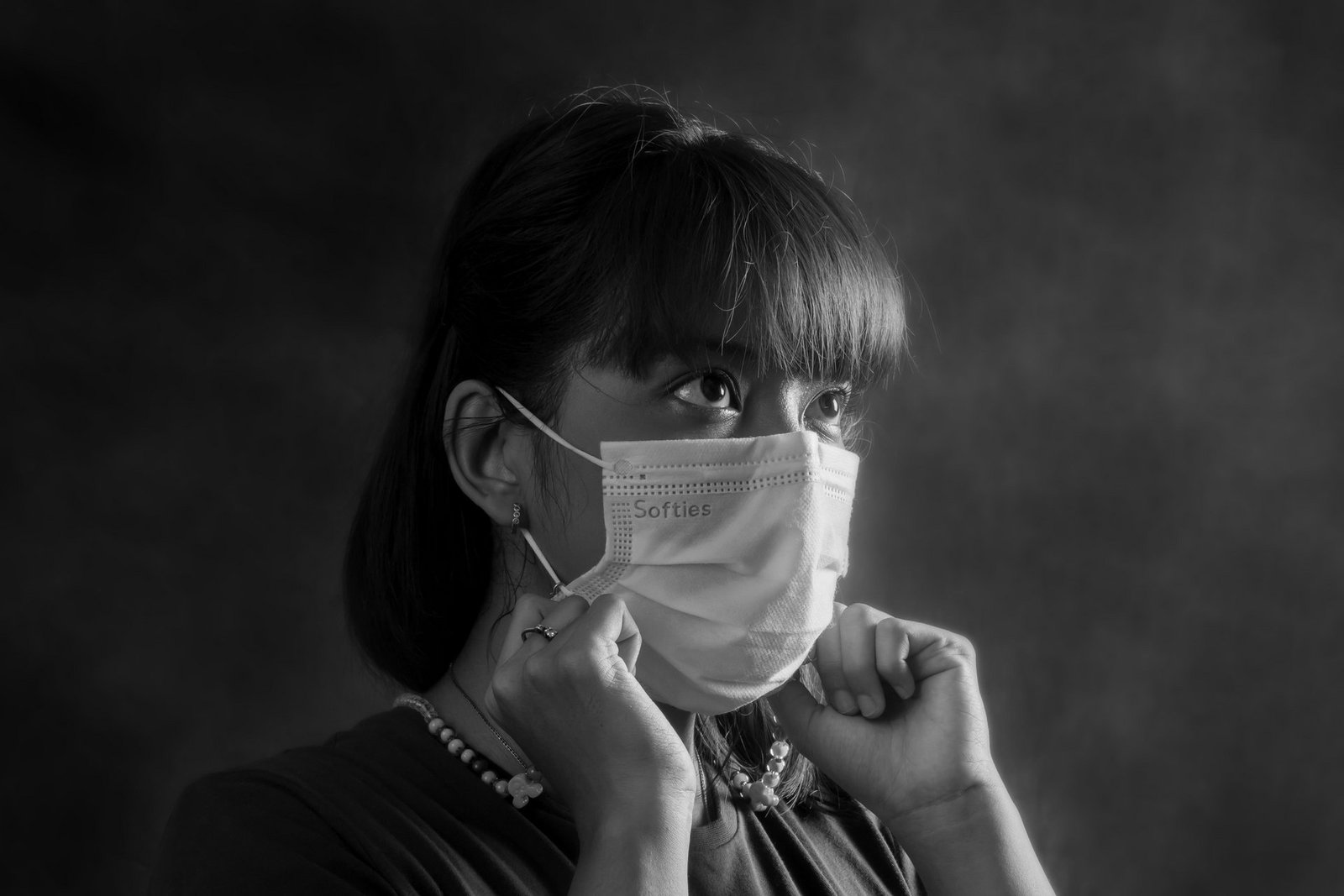
Indonesia is grappling with a significant health crisis as the country battles persistent wildfires that have enveloped regions in thick haze. More than 175,000 individuals have experienced respiratory issues since August, according to the health ministry. The affected population includes over 40,000 toddlers, suffering from ailments such as coughs, bronchitis, and pneumonia.
Efforts to Combat the Fires
The wildfires have not only impacted Indonesia but have also spread toxic smog to neighboring countries like Malaysia and Singapore, severely affecting air quality. In response, Indonesia has mobilized over 54,000 personnel and dispatched numerous aircraft to Borneo and Sumatra for water bombing operations. However, officials acknowledge the difficulty in extinguishing fires due to the vast areas and challenging peatland conditions.
“From the air to the ground, all forces continue to move,” stated Cabinet Secretary Teddy Indra Wijaya. “Everything is being done to extinguish the fires, reduce the impact of the smoke, and, most importantly, protect the public from the threat of forest and land fires.”
Impact of “Godzilla” El Nino
This year’s fire season has been exacerbated by the “Godzilla” El Nino, which has led to extremely dry conditions. The independent monitoring group Nusantara Atlas reported around 734,000 hotspots across Indonesia, a 30% increase compared to 2019, one of the worst recorded wildfire seasons.
Since the beginning of the year, approximately 895,657 hectares of land, an area nearly six times the size of Greater London, have been consumed by fires. The resulting smog has forced school closures and increased hospital admissions. The number of individuals suffering from respiratory illnesses due to the wildfires surged to 113,336 by September 9, more than double the figure from earlier that month.
Wildlife and Legal Actions
The environmental crisis has also taken a toll on wildlife, including critically endangered orangutans. In West Kalimantan, a severely affected province, a wildlife foundation reported the death of an orangutan due to hypoxia after being found in distress on a plantation.
In response to the devastation, indigenous and civil society groups in West Kalimantan have filed a class action lawsuit against the government, accusing authorities of negligence in addressing the fires. “This recurring pattern proves our view that the defendants knew about the potential haze disaster,” said Glorio Sanen, the group’s lawyer.
Cloud Seeding and Regional Impact
To mitigate the haze, Indonesia has conducted cloud-seeding operations, some in collaboration with Japan’s Self-Defense Forces. This method involves altering clouds to encourage rainfall, though its effectiveness remains debated among meteorologists.
In the Malaysian state of Sarawak, authorities launched a five-day cloud-seeding campaign to address the haze and replenish water levels at hydropower dams amid forecasts of a severe dry spell in October. “October might be hotter and drier,” warned Sarawak’s Deputy Premier Douglas Uggah Embas.
The haze has extended as far as the Philippines, prompting local officials to advise residents to stay indoors, and Singapore, where daily haze advisories have been issued.