In a recent escalation of tensions, the Taliban government in Afghanistan has reported that Pakistani air strikes have resulted in the deaths of four civilians. These strikes are said to have targeted several provinces, including Kandahar, a stronghold for the Taliban.
Details of the Strikes
According to eyewitness accounts, a jet was heard in the sky, followed by a significant explosion and a subsequent fire in the area. The Pakistani authorities have stated that their military operations were aimed at ten specific targets within Afghanistan, though they did not disclose exact locations. They emphasized that the strikes were focused solely on military objectives.
This recent wave of air strikes marks the second such occurrence in a week, following a violent attack on a police facility in Pakistan on 18 September. In response to the strikes, Taliban spokesperson Zabihullah Mujahid announced that the attacks occurred in Kandahar, Paktia, and Khost provinces.
Impact on Local Communities
In Paktia, sources indicated that the Afghan Armed Forces’ 203 Mansouri Corps, under Taliban control, was bombed. However, details on casualties remain unclear. In Khost, local reports suggest that while property damage was significant, there were no casualties.
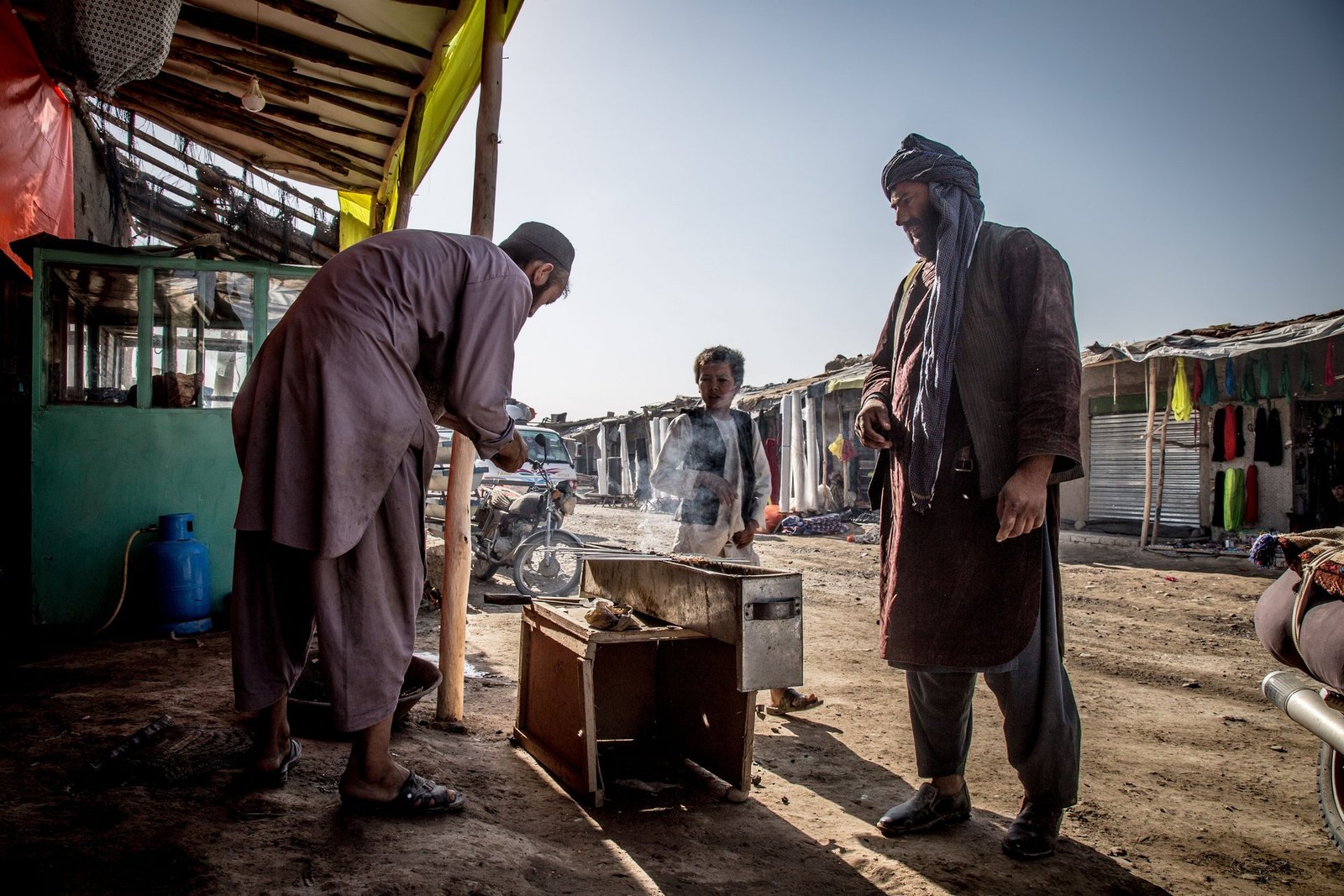
Residents in the affected areas expressed panic during the attacks. Abdullah, a local witness, described the chaos, noting that people were shouting and there was widespread fear. He mentioned that village elders later assessed the damage, confirming the absence of fatalities.
Official Statements and Reactions
Zabihullah Mujahid criticized the strikes as reckless and warned of potential consequences for Pakistan’s military. Conversely, Pakistan’s Information Minister, Attaullah Tarar, defended the strikes as deliberate and proportionate, emphasizing that they were confined to military targets linked to attacks on Pakistan.
The recent surge in violence follows an attack on a mosque at a police compound in north-western Pakistan, which claimed at least 31 lives. This attack was attributed to a group associated with Tehreek-e-Taliban Pakistan (TTP), with Islamabad accusing the Taliban of providing them sanctuary—a claim the Taliban denies.
Continuing Conflict and Diplomatic Efforts
Tensions have persisted despite a relative calm in previous months. After the attack on the police facility, Pakistan reported launching strikes in the border region, resulting in the deaths of 28 militants. Meanwhile, the Taliban government in Kunar province confirmed civilian casualties from these actions.
The UN mission Unama corroborated reports of civilian deaths, stating that three people were killed. In response to claims of drone incursions from Afghanistan, Pakistan reported neutralizing these threats, while Taliban officials denied any drone activity.
Historically, the cross-border conflict has resulted in significant civilian casualties. A UN report from July highlighted that from October 2025 to June 2026, armed violence between the Taliban and Pakistani forces led to hundreds of civilian deaths and injuries.
Efforts to mediate the conflict through international channels have yet to yield a sustainable peace agreement. Pakistan’s Foreign Minister recently urged for actionable measures to prevent Afghan territory from being used for terrorist activities during a meeting at the UN General Assembly.