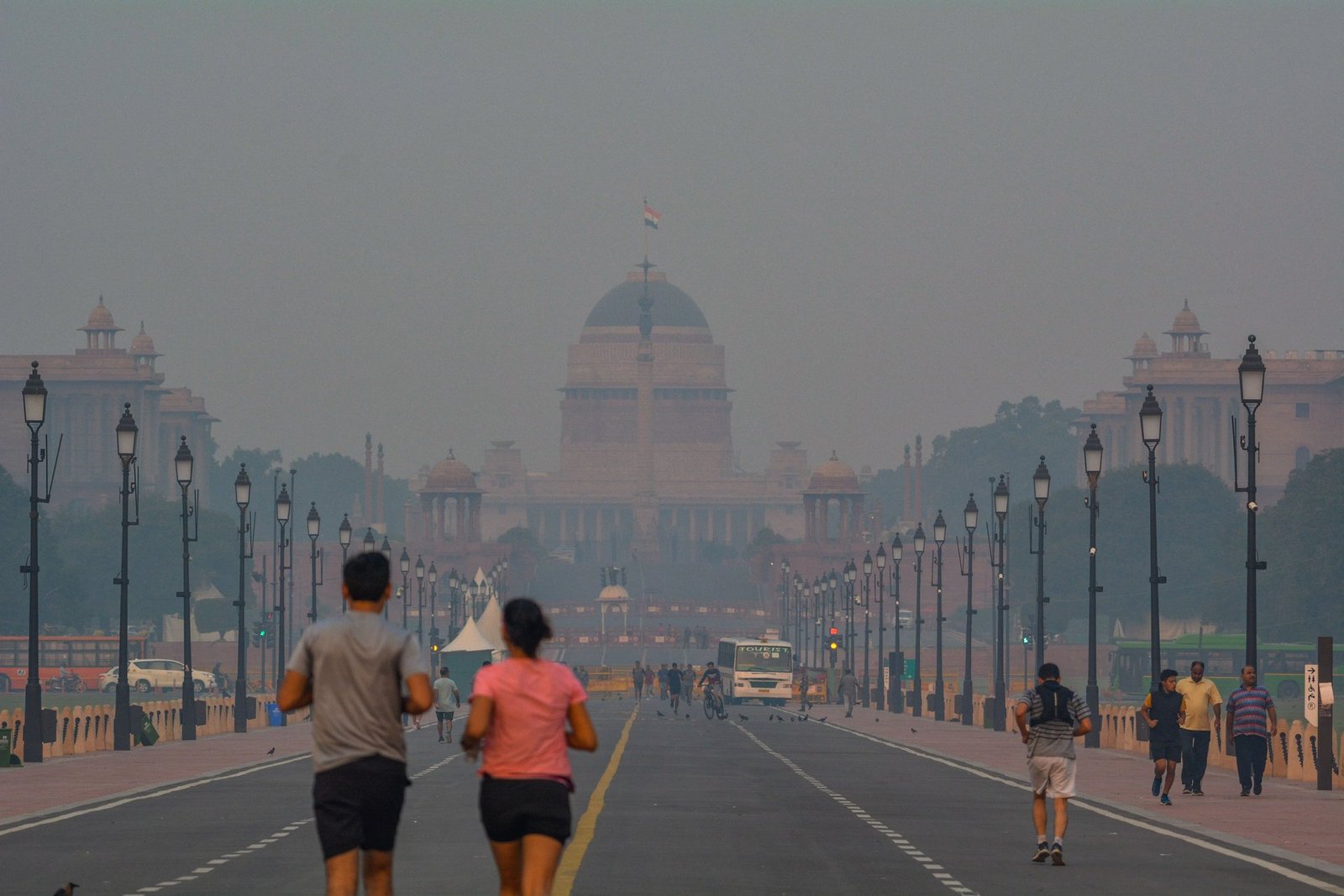
Located just 30 kilometers from the bustling city of Delhi, Loni in Uttar Pradesh is facing severe air pollution issues, making it one of the most polluted towns globally. The town has recorded an average PM2.5 concentration of 112.5 micrograms per cubic meter over the past year, a figure that is alarmingly more than 22 times the World Health Organization’s (WHO) recommended limit of five micrograms per cubic meter.
Contributing Factors to Loni’s Air Quality Crisis
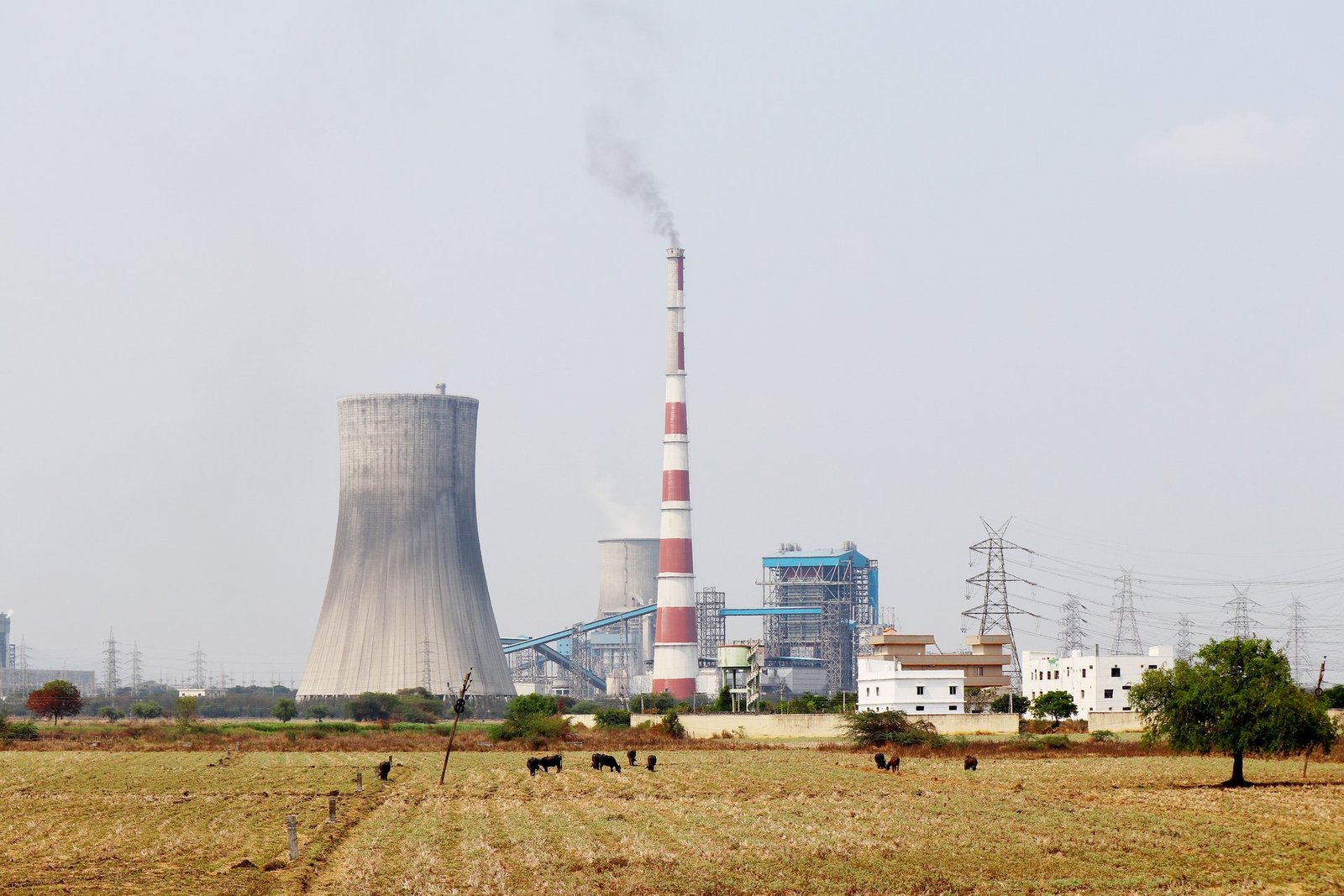
Several factors contribute to the hazardous air quality in Loni. One of the primary reasons is the proximity to numerous industrial zones. The emissions from these industries, including small-scale operations running within residential areas, release harmful chemicals into the air. Additionally, the use of furnaces for metal smelting contributes significantly to the pollution.
Another critical factor is the poor infrastructure, particularly the condition of roads. Loni’s roads are notably underdeveloped and dusty, exacerbating the air quality issues, especially during the winter months when the dust remains suspended in the air.
Impact of Urban Development and Infrastructure
The ongoing construction work in Loni adds to the pollution levels. As a developing area with affordable land, it attracts people looking for homes in the Delhi NCR region. This has led to continuous construction activities, which generate large amounts of dust. Furthermore, the recent construction of major highways, such as the Eastern Expressway, has increased traffic through Loni, contributing to vehicular pollution.
Waste management is also a significant challenge. The area lacks adequate disposal facilities, leading residents to dispose of garbage in the open or burn it, further polluting the air with toxic smoke.
Additional Environmental and Regional Influences
Traditional brick kilns near Loni are another source of pollution. These kilns emit smoke and dust, impacting air quality. Stubble burning in nearby agricultural areas during the winter months also contributes to the problem, as does the dense population and its associated waste issues.
Loni’s geographical location on the banks of the Yamuna River results in lower surface temperatures, which can trap pollutants close to the ground, making them more dangerous to the local population. Chemical reactions involving sulfur dioxide, nitrogen oxides, and ammonia add to the complexity of the air pollution issue, creating even more harmful compounds.
As part of the Delhi-NCR region, Loni is affected by the overall vehicular pollution from neighboring areas like Ghaziabad and Northeast Delhi, which see a continuous rise in vehicle numbers.
The severity of the air pollution problem in Loni is highlighted by private monitoring organizations, such as IQAir, which have reported air quality index (AQI) levels exceeding 1,000 in certain areas, far surpassing the official readings in Delhi.
Source: NDTV India