Israeli Prime Minister Benjamin Netanyahu’s recent address at the United Nations General Assembly took an unexpected turn when he showcased a pager device, which he claimed was a product of Israeli intelligence. This move was intended to highlight the technological advancements used in thwarting threats from Iran-backed militant groups, specifically Hezbollah.
Context of the Pager’s Significance
The pager, which Netanyahu presented during his speech, is reportedly linked to a controversial operation involving the Israeli intelligence community. It was suggested that these devices were modified with explosives before being delivered to Hezbollah operatives, a claim that underscores the tense and often volatile dynamics in the region.
Netanyahu’s intention behind displaying the pager was to emphasize Israel’s commitment to national security and the innovative measures it employs to counter threats. However, this was not received as he had hoped.
Audience Reaction: From Anticipation to Discontent
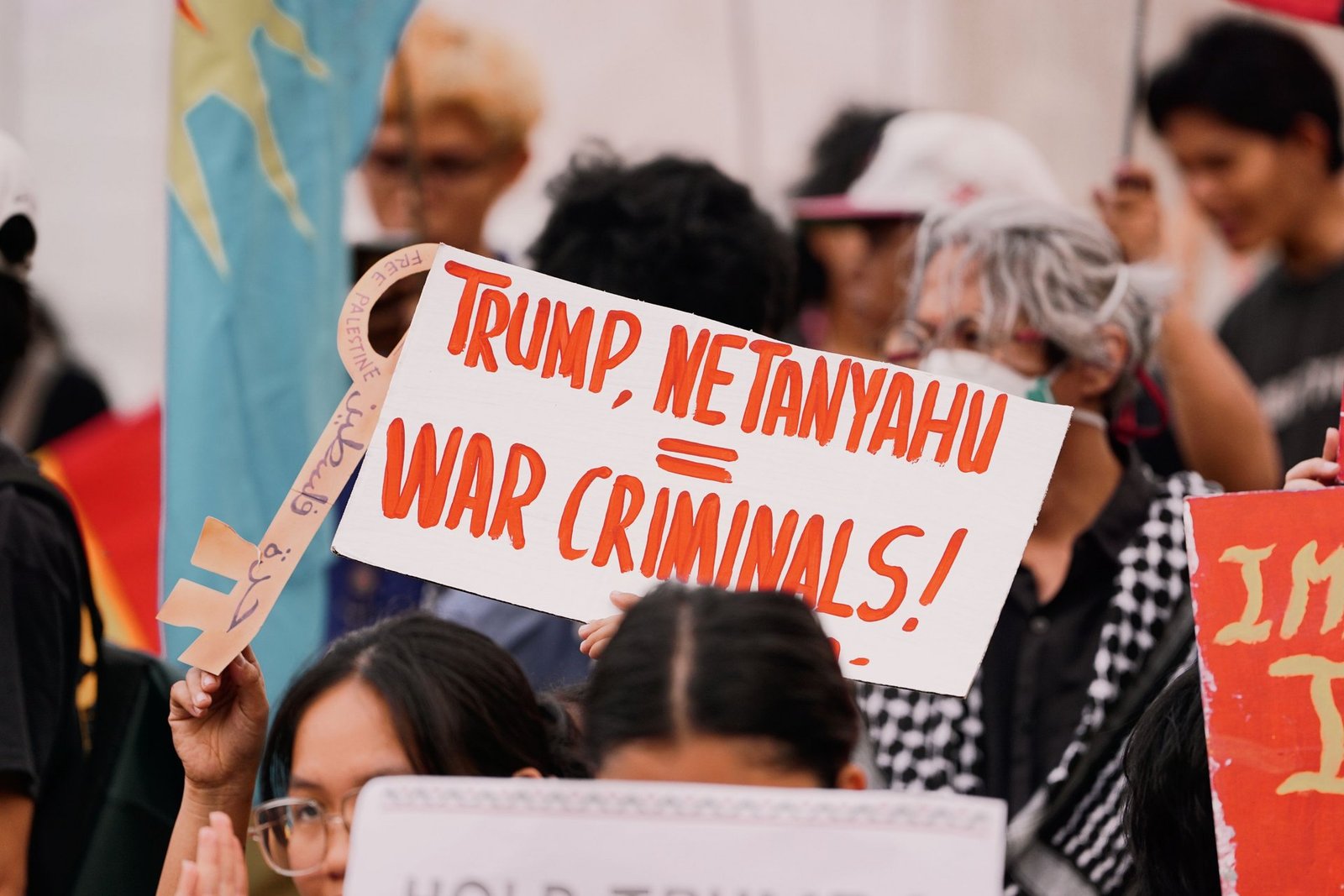
Instead of the applause Netanyahu expected, the audience reacted with boos and jeers. This stark contrast in response highlights the growing discontent among various nations regarding Israel’s policies and its approach to regional security issues. The backlash could be seen as a reflection of broader international sentiments towards Israel’s actions and its ongoing conflicts.
Critics argue that such demonstrations serve to further alienate Israel from the global community, particularly in contexts where diplomatic dialogue is essential. The response at the UN suggests that Netanyahu’s strategy of showcasing military and intelligence prowess may not resonate positively in all forums.
Implications for Israeli Foreign Policy
Netanyahu’s decision to bring a pager to the UN, and the subsequent negative reception, raises questions about Israel’s diplomatic strategies moving forward. The event underscores the challenges Netanyahu faces in garnering international support, especially as tensions in the Middle East continue to escalate.
As Israel navigates its complex relationships with neighboring countries and international powers, it may need to reassess its methods of communication and engagement. The incident at the UN serves as a reminder that while showcasing strength might appeal to some, it can also provoke opposition and misunderstanding.
Looking Ahead: What’s Next for Netanyahu?
In the aftermath of this incident, Netanyahu and his administration will likely need to reflect on their approach to international diplomacy. The criticism received at the UN may prompt a reevaluation of how Israel communicates its security concerns and military strategies in global forums.
The Israeli leadership must consider how to bridge the gap between demonstrating military capabilities and fostering a constructive dialogue with the international community. As geopolitical tensions persist, finding a balance between defense and diplomacy will be crucial for Israel’s future engagements on the world stage.