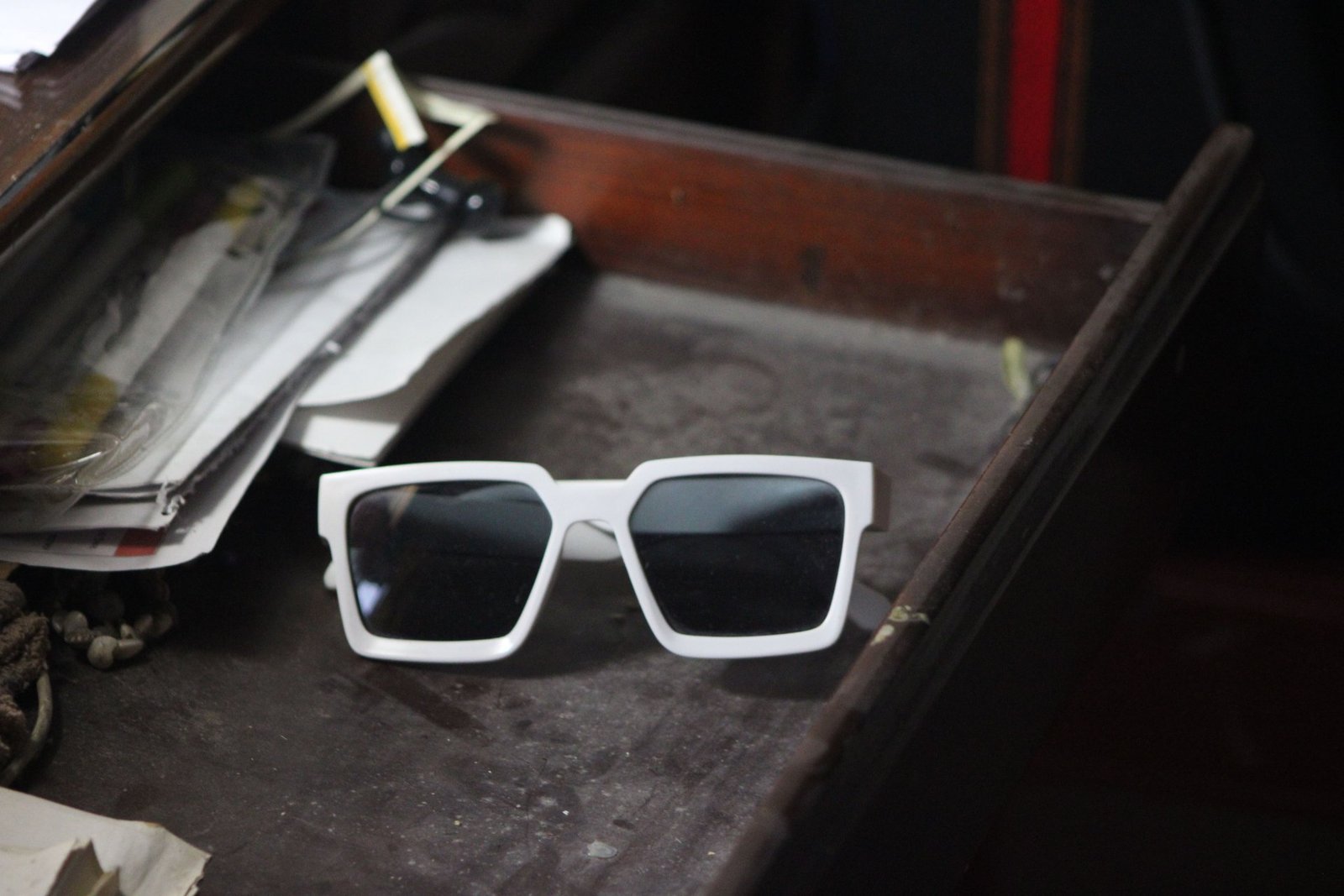
In a world where personal style often intersects with political image, Nepal’s Prime Minister Balendra Shah, popularly known as Balen Shah, has become synonymous with his distinctive dark sunglasses. His choice to wear these sunglasses in various formal settings, including parliamentary sessions, public ceremonies, military parades, and even during photo opportunities with foreign ambassadors, has sparked curiosity and conversation.
Understanding the Choice
The decision of Prime Minister Shah to don sunglasses consistently raises questions about the underlying reasons for this fashion statement. For many, sunglasses are merely a stylish accessory, but for Shah, they seem to carry a deeper significance. Wearing them during significant events and interactions suggests that they are more than just a shield against the sun; they symbolize his unique persona as a leader.
Shah’s sunglasses have become a part of his identity, contributing to his image as a modern and relatable prime minister. His casual approach in a formal political arena resonates with the youth of Nepal, who appreciate a leader that reflects their style and attitude.
The Impact of Personal Branding
In contemporary politics, personal branding plays a crucial role in shaping public perception. By consistently wearing his sunglasses, Balen Shah effectively crafts a recognizable image that stands out in the political landscape. This branding strategy not only enhances his visibility but also creates a memorable association among the public and media.
Moreover, in an era dominated by social media, where images and impressions can greatly influence public opinion, Shah’s sunglasses serve as a visual cue that differentiates him from traditional politicians. His choice makes a statement about being approachable while still maintaining an air of authority.
Cultural Context and Public Reception
The cultural context of Nepal also plays a significant role in how Shah’s sunglasses are perceived. In a country where traditional attire and formal appearances are often the norm for public officials, Shah’s unique style challenges the status quo. His decision to wear sunglasses, especially in settings where they might typically be removed, can be seen as a bold move that reflects a changing political landscape.
Public reception of his sunglasses has been largely positive, particularly among younger demographics who resonate with his modern approach. This appeal is crucial as it helps bridge the generational gap between traditional political figures and the youth who are increasingly involved in the nation’s governance.
Looking Ahead: The Future of Balen Shah’s Leadership
As Prime Minister Shah continues to navigate the complexities of leadership in Nepal, his iconic sunglasses will likely remain a focal point of his image. The symbolism attached to his choice of eyewear could evolve, reflecting the changing dynamics of his political journey.
Moving forward, it will be interesting to observe how he balances his personal style with the expectations of political decorum, especially as he engages with both domestic and international audiences. His sunglasses may well become a lasting emblem of his tenure, representing a blend of modernity and tradition in Nepal’s political narrative.