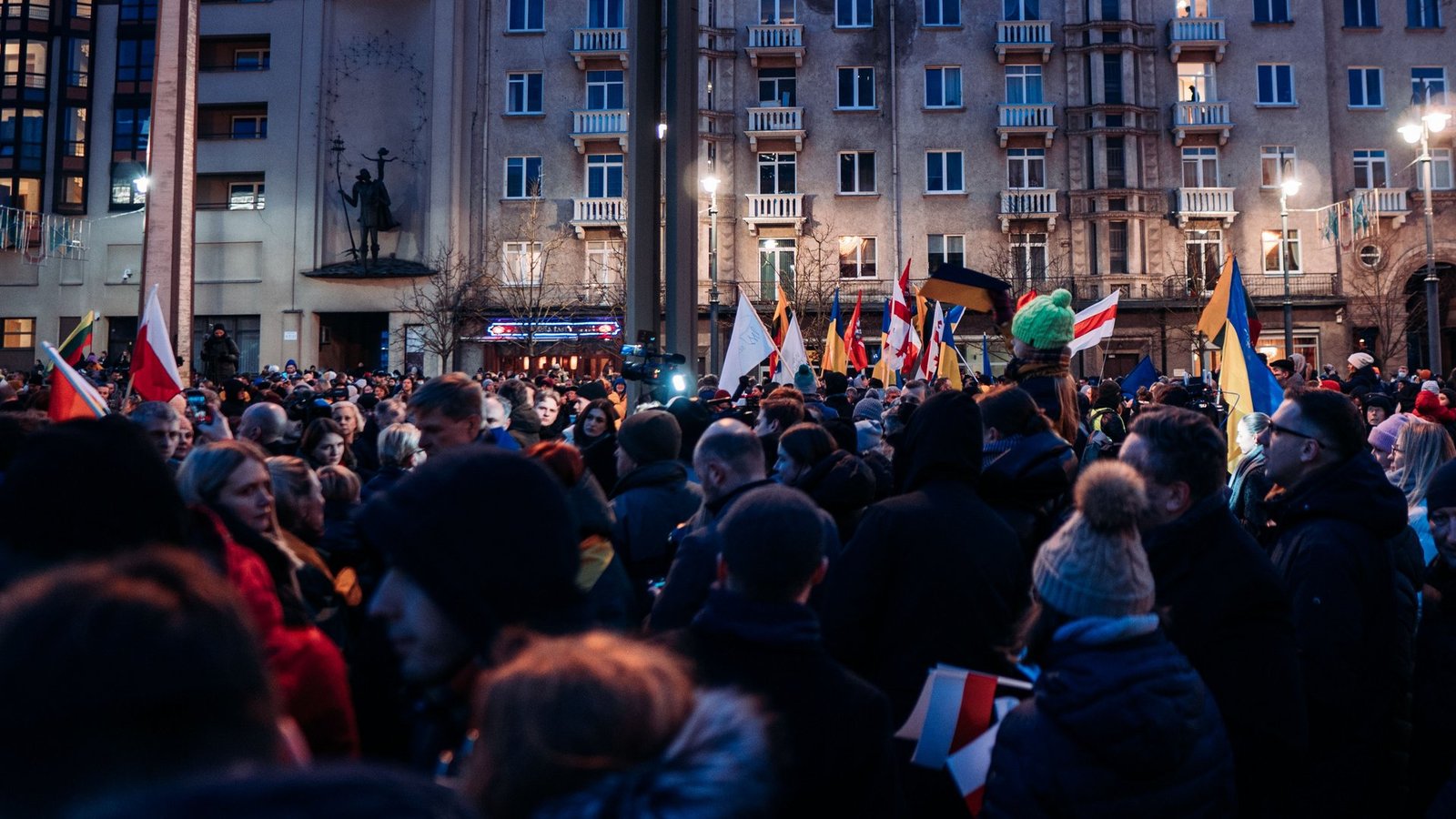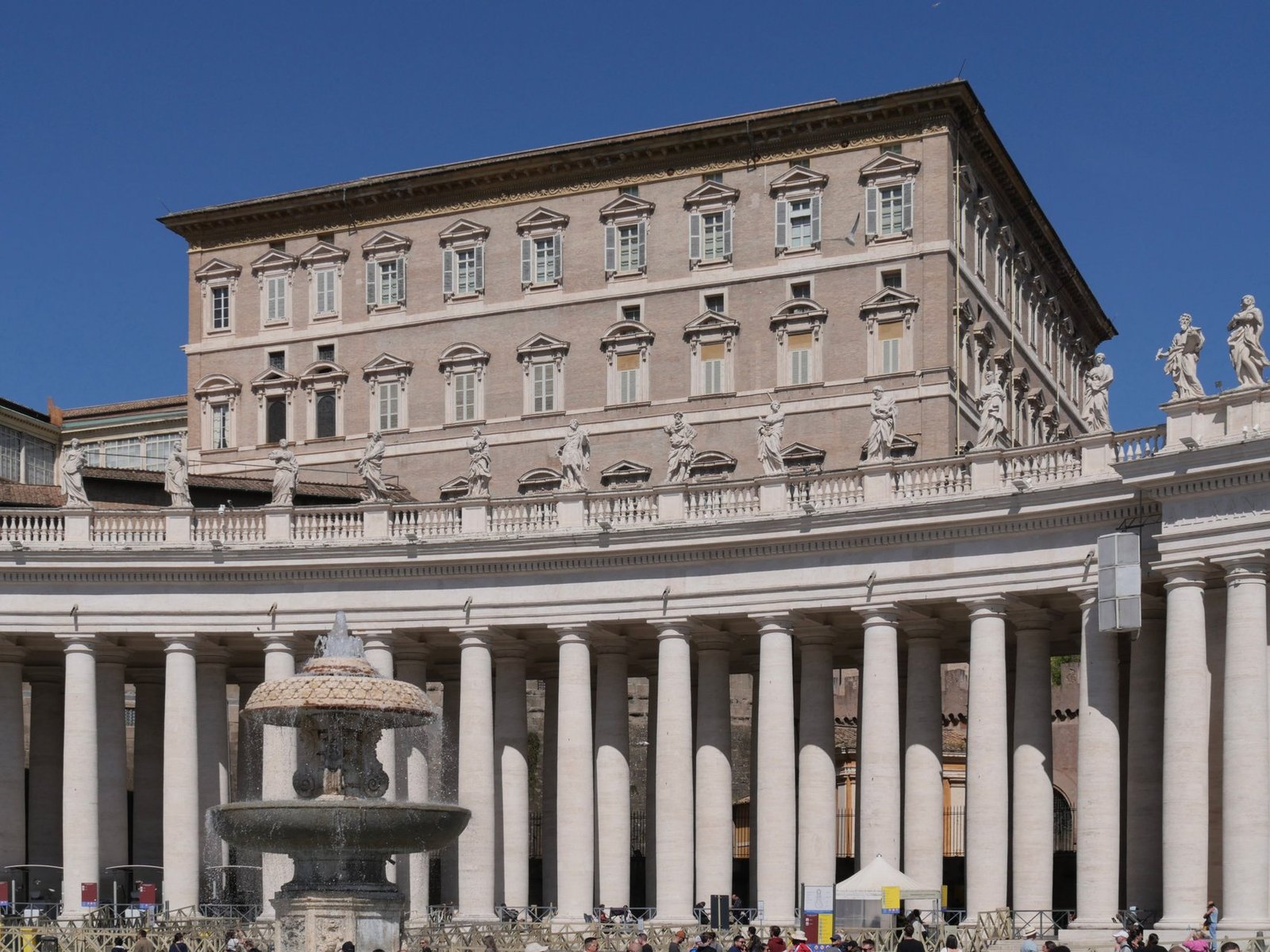
In a significant address at the presidential palace in Paris, Pope Leo has expressed his deep concerns regarding the potential dangers posed by artificial intelligence (AI). This statement came as large crowds gathered in the French capital, eager to hear the Pope’s insights on the matter.
The meeting with President Emmanuel Macron highlighted the urgency of the situation, as both leaders discussed the imperative to protect humanity from the unforeseen consequences of rapidly advancing technology. With AI becoming increasingly integrated into various aspects of daily life, the Pope’s remarks have sparked a broader conversation about ethical boundaries and the responsibilities that come with technological innovation.
Pope Leo’s warnings echo the sentiments of many global leaders and experts who are advocating for a cautious approach to AI development. The potential for AI to impact job markets, privacy, and even personal relationships has raised critical questions about its future role in society. The Pope emphasized that while technology can bring numerous benefits, it is essential to prioritize human dignity and ethical considerations as we navigate these advancements.
Global Reactions to the Pope’s Address
The Pope’s comments have triggered varied reactions from different sectors. Advocates for technology development argue that AI has the potential to solve significant global challenges, such as climate change and healthcare access. However, critics warn that without proper regulations, AI could exacerbate existing inequalities and lead to widespread job displacement.
In response to the Pope’s address, President Macron acknowledged the need for international cooperation in establishing guidelines that ensure AI is developed responsibly. He emphasized that governments, tech companies, and civil society must work together to forge a path that balances innovation with ethical responsibility.
What Lies Ahead for AI Regulation
The discussion initiated by Pope Leo and President Macron is part of a larger global dialogue on AI regulation. As nations grapple with the implications of AI, leaders are beginning to recognize the necessity of forming comprehensive frameworks that address its risks while fostering innovation.
As the world moves forward, the challenge will be to create a balanced approach that encourages technological advances while safeguarding human rights and societal values. The Pope’s emphasis on protecting humanity serves as a poignant reminder that the march of technology must be guided by moral considerations that respect and uphold the dignity of every individual.
In conclusion, the Pope’s remarks during this pivotal meeting in Paris highlight the critical conversations surrounding AI and humanity’s future. As enthusiasm for technological progress continues to grow, so too does the responsibility to ensure that it benefits all of society rather than detracting from the human experience. The outcomes of this dialogue may shape the trajectory of AI development for years to come.