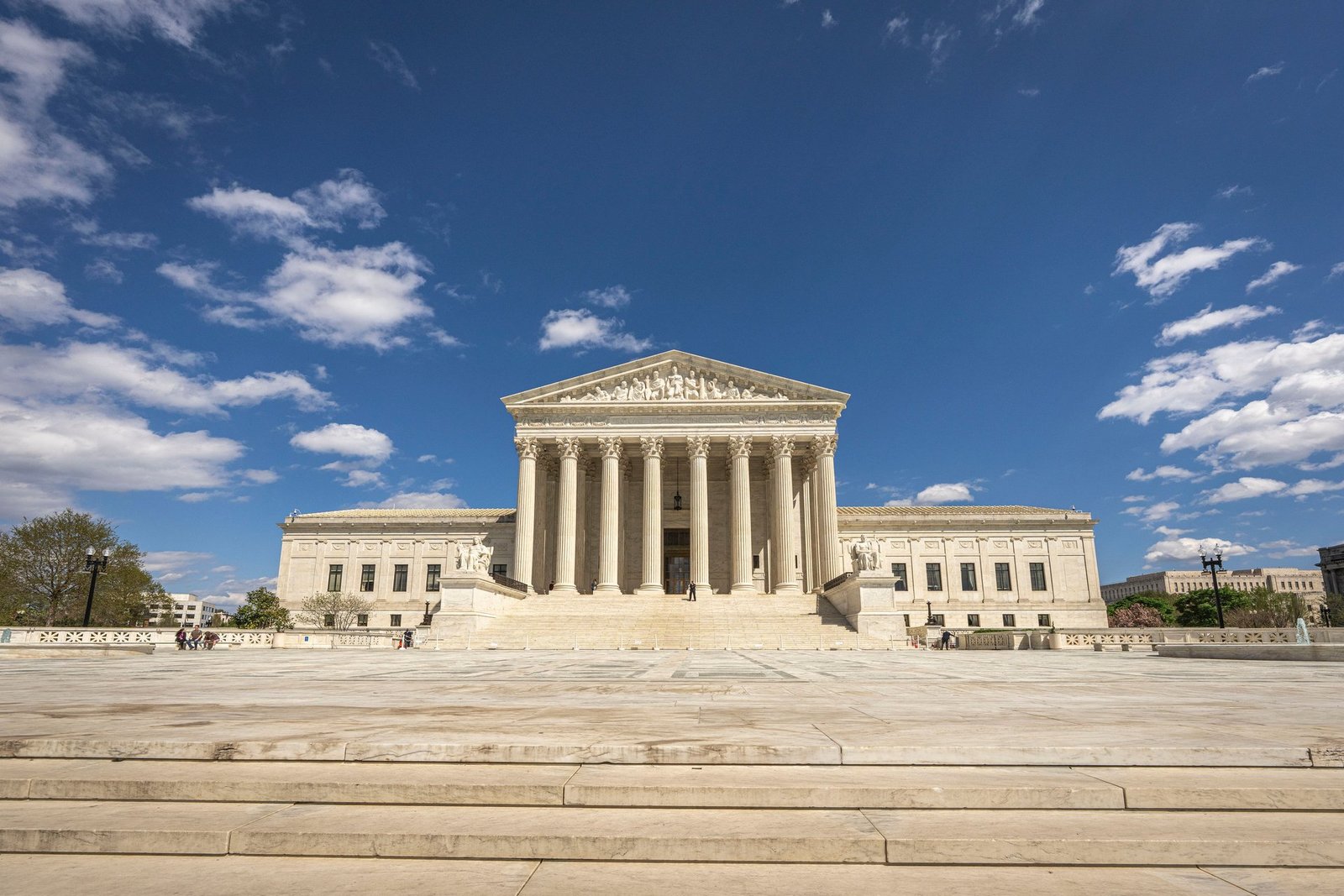
In a significant decision, the United States Supreme Court has issued an emergency order permitting states to utilize a federal program aimed at verifying the citizenship status of voters. This ruling comes amidst ongoing debates over voting eligibility and the integrity of electoral processes across the nation.
Details of the Ruling
The emergency order specifically allows states to access the Systematic Alien Verification for Entitlements (SAVE) program, which is managed by the Department of Homeland Security (DHS). The SAVE program was originally designed to assist in determining eligibility for various government entitlements, but its application has now expanded to include voter registration verification.
This ruling is particularly notable given the contentious atmosphere surrounding voter ID laws and allegations of voter fraud that have been prevalent in recent elections. Proponents of the decision argue that it is a necessary step toward ensuring that only eligible citizens participate in elections, thereby maintaining the integrity of the democratic process.
On the other hand, opponents of the ruling express concerns that such measures could disproportionately affect minority communities and marginalized groups, raising questions about the potential for disenfranchisement. Critics argue that the use of federal databases to verify voter eligibility could lead to errors that may unjustly exclude individuals from the voting process.
Implications for Future Elections
The Supreme Court’s decision is poised to have far-reaching implications as states begin to implement the use of the SAVE program in their voter verification processes. The move could set a precedent for how states engage with federal resources to manage voter eligibility moving forward.
States that choose to adopt this approach will likely face scrutiny regarding their implementation practices. There is a growing call among civil rights advocates to monitor these changes closely to ensure that they do not result in unlawful discrimination or systemic barriers to voting.
As the nation prepares for upcoming elections, the dialogue surrounding voter verification and citizenship status is expected to intensify. The Supreme Court’s ruling may embolden states with similar legislative agendas, potentially leading to the adoption of stricter voter registration laws across the country.
Next Steps for States
In light of the Supreme Court’s ruling, states will need to navigate the practicalities of integrating the SAVE program into their existing voter registration systems. This involves training staff, updating database access protocols, and ensuring compliance with federal and state laws governing voter privacy and data protection.
As states move forward, they will also need to establish clear guidelines on how to handle discrepancies that may arise during the verification process. It will be crucial for state election officials to balance the need for security and accuracy in voter rolls with the imperative to protect the voting rights of all eligible citizens.
Ultimately, the ramifications of this ruling will unfold in real-time as states begin to act on this newfound authority. As the public watches closely, the outcome of this initiative could shape the future landscape of voting rights and electoral integrity in the United States.