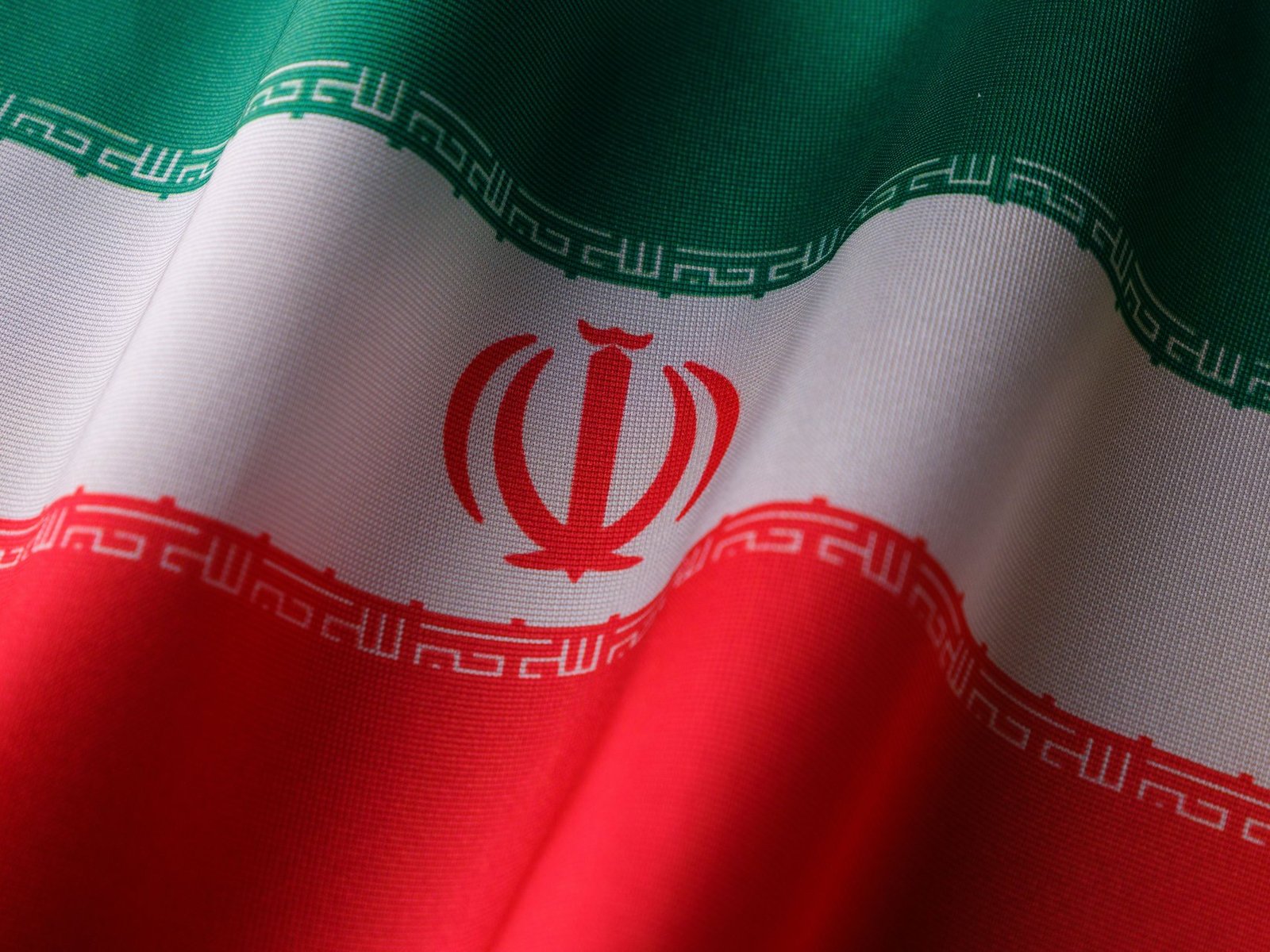
Following President Donald Trump’s refusal of a proposal to reopen the Strait of Hormuz, Iran’s foreign minister emphasized the necessity of negotiations to resolve ongoing conflicts with the United States. The Iranian proposal aimed at resuming commercial shipping through the critical waterway was dismissed by Trump, who characterized it as “unacceptable.” He claimed that Iran was eager to strike a deal due to their “losing” position.
Iran’s Response to Trump’s Rejection
In a Telegram post, Iranian Foreign Minister Abbas Araghchi expressed Iran’s willingness to await a “definitive” response from the U.S., noting the inconsistency in Trump’s previous statements. Araghchi stated that the conditions for reopening the strait were part of an earlier memorandum of understanding (MOU) between the U.S. and Iran, signed in June. This topic was also discussed during recent talks at the UN General Assembly in New York.
The Strait of Hormuz, through which about 20% of the world’s gas and oil supply flows, has been closed since the conflict’s escalation in February. Trump asserted the U.S. had “total control” over the strait, with significant oil shipments continuing, leading to global price hikes.
Iranian Leadership and Mediation Efforts
Iranian President Masoud Pezeshkian, in New York for the UN assembly, highlighted the need to rebuild trust to facilitate successful negotiations. He suggested that talks could proceed in phases to implement the MOU, stressing the importance of U.S. assurances against regime change in Iran.
President Pezeshkian criticized Trump’s decision to abandon the MOU amid renewed U.S. military actions. He questioned the viability of dialogue without honoring existing agreements. Pezeshkian also addressed the health of Iran’s new Supreme Leader Mojtaba Khamenei, injured in a U.S. strike, affirming his capability to engage in extensive talks despite reports of serious injuries.
International and Economic Dimensions
Oman, acting as a mediator, urged continued dialogue among all parties to resolve the crisis, underscoring the importance of cooperation to ensure safe navigation in the region. Oman’s foreign minister called for collective efforts at the UN General Debate.
U.S. Ambassador to NATO, Matthew Whitaker, supported Trump’s rejection, labeling Iran’s offer as “half measures.” Meanwhile, Treasury Secretary Scott Bessent highlighted the impact of U.S. sanctions on Iran, noting regional countries halting aviation and banking interactions with Iran. The economic measures, termed “Operation Economic Outcast,” aim to pressure Iran into halting attacks in the Strait of Hormuz, although economists question their effectiveness, particularly given China’s ongoing trade with Iran.