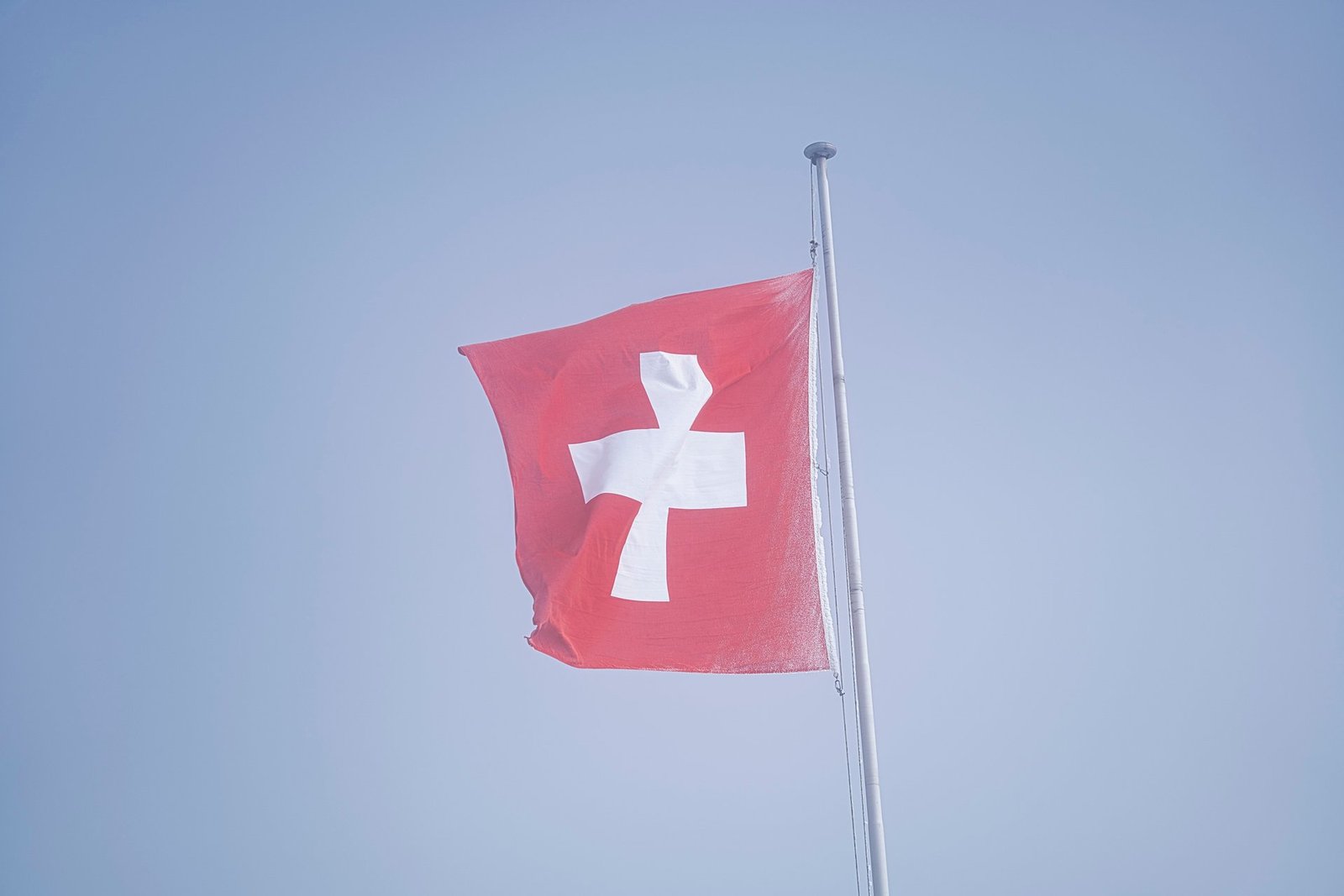
In a decisive move, the Swiss electorate has firmly rejected a proposal to redefine the country’s longstanding commitment to neutrality in international affairs. Recent voting results indicated that over 70% of participants opposed the idea that would have restricted Switzerland from implementing sanctions without the endorsement of the United Nations.
This proposed reformation would have also limited Switzerland’s ability to deepen its association with the North Atlantic Treaty Organization (NATO). The discussion surrounding the nation’s neutrality has been reignited due to Russia’s aggressive actions in Ukraine, prompting a renewed examination of Switzerland’s historical non-alignment.
The initiative, which received backing from the right-leaning Swiss People’s Party (SVP), was openly supported by Moscow but faced opposition from the Swiss federal government and all other significant political parties. Lukas Golder, co-director at Gfs.bern, a research institute, commented that the vote should not be interpreted as a rejection of neutrality itself but rather as an affirmation of the Swiss position on sanctions against Russia. Golder stated, “The electorate has a clear perception of what neutrality should accomplish for Switzerland.”
Government Perspectives on Neutrality
During a recent televised discussion, Swiss Foreign Minister Ignazio Cassis emphasized that the concept of neutrality has historically encompassed a degree of adaptability. He reiterated that while Switzerland does not plan to rescind its prohibition on supplying arms to nations embroiled in conflict, such as Ukraine, it does not equate neutrality with apathy.
Cassis remarked, “We will not turn a blind eye to violations of international laws that are essential for our peaceful coexistence.” This stance reinforces Switzerland’s commitment to maintaining its neutrality while also addressing contemporary global challenges.
A Historical Context of Neutrality
Switzerland’s policy of neutrality was formally recognized in 1815 at the Congress of Vienna, amidst a turbulent era in Europe marked by war. The framework for this neutrality was legally established in the Hague Convention of 1907, which prohibited the nation from supplying arms to countries involved in warfare. Switzerland has previously turned down requests from Germany for military supplies destined for Ukraine.
During World War II, Switzerland maintained its neutral status, although it has faced criticism for banking gold seized by the Nazis and for refusing entry to thousands of Jewish refugees in an attempt to deter a potential invasion by Nazi Germany. These historical actions have led to official apologies from the Swiss government in the 1990s, as the country continues to grapple with its past and the implications of its neutrality in modern geopolitics.