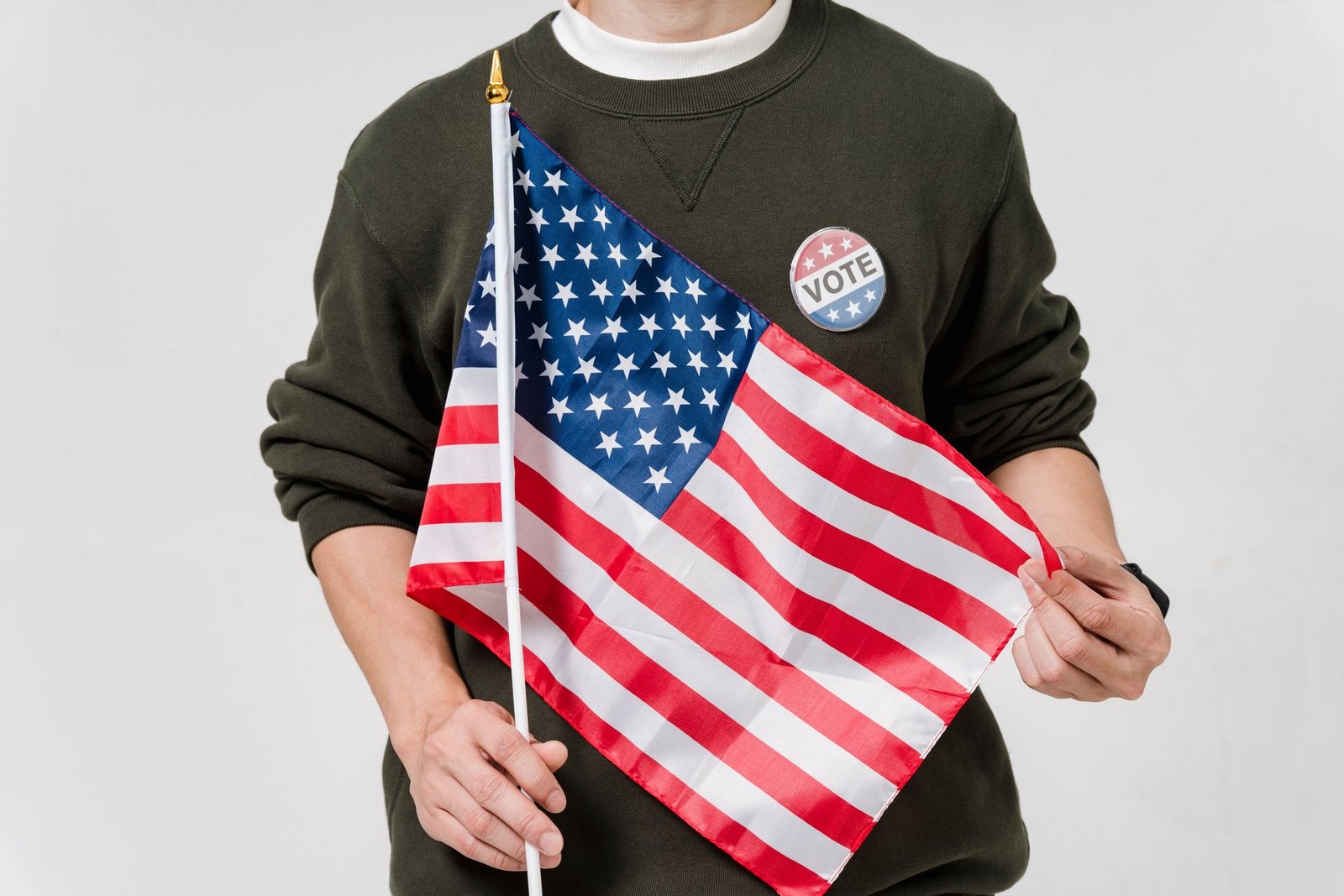
In a significant diplomatic overture, Iranian officials have appealed to voters in the United States, urging them to oust what they describe as “evil and violent” politicians from power. This call comes amidst escalating tensions and a series of conflicts initiated by the U.S. in the Middle East, notably under the previous administration led by Donald Trump.
Context of the Appeal
Iran’s appeal to American voters highlights the ongoing geopolitical complexities that have arisen from U.S. foreign policy decisions. The Trump administration’s approach towards Iran, which included the imposition of stringent sanctions and military actions alongside allies like Israel, has been a source of contention. The Iranian leadership believes that the current U.S. political landscape is significantly influenced by these aggressive foreign policies.
The Iranian government argues that such policies have not only destabilized the region but also have broader implications for global economies, particularly evident through rising fuel prices. This is a critical concern given the global dependency on oil, where conflicts in oil-rich regions can lead to fluctuations that affect consumers worldwide.
Trump’s Campaign Promises and Their Consequences
As Trump campaigns for the 2024 presidential election, he has made bold promises to the American public. He asserts a commitment to avoid initiating new military conflicts, to bring an end to ongoing wars, and to tackle domestic issues like inflation. However, analysts argue that the repercussions of his previous policies, particularly the military engagements with Iran, continue to impact the global fuel market.
The conflict with Iran has not only contributed to an increase in oil prices but has also instigated a ripple effect throughout the Middle East, complicating diplomatic relations and creating further unrest. Critics of Trump’s previous administration contend that while he seeks to present a platform of peace, the remnants of his foreign policy decisions still resonate strongly in current international relations.
Implications for U.S.-Iran Relations
The Iranian leadership’s appeal to American citizens underscores the desire for a shift in U.S. policy that could lead to more peaceful interactions between the two nations. By urging voters to reconsider their political leaders, Iran hopes to foster a dialogue that could pave the way for diplomatic resolutions rather than military confrontations.
This appeal reflects a broader strategy by Iran to engage with American voters directly, possibly in an effort to influence the upcoming elections and the future direction of U.S. foreign policy. As Americans prepare to head to the polls, the implications of their choices could have significant ramifications not only for the U.S. but also for the stability of the Middle East.
Looking Ahead
The upcoming elections will be pivotal in determining the course of U.S. foreign policy towards Iran and the broader region. Should voters heed Iran’s call and choose leaders committed to diplomacy over conflict, it could lead to a thaw in relations that have been strained for years.
Conversely, if the electorate opts for a continuation of aggressive policies, the cycle of conflict and instability could persist. The stakes are high, and the decisions made in the voting booth may echo across borders, influencing global peace and economic stability for years to come.