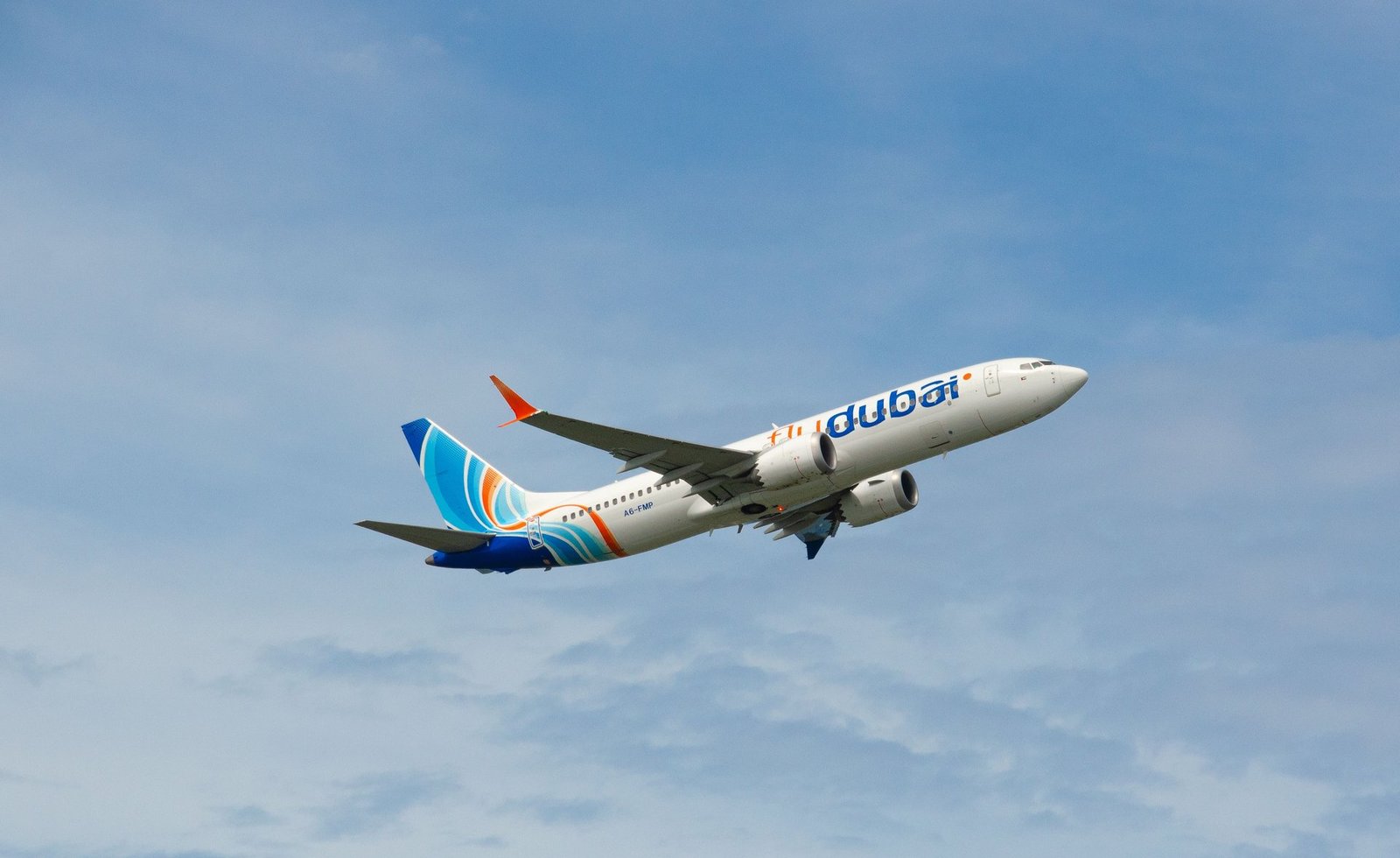
A recent incident involving a flydubai flight has captured the attention of aviation safety experts and the public alike. This alarming event occurred when a Boeing 737, which was cruising at an altitude of approximately 34,000 feet, unexpectedly began a rapid descent. Reports indicate that this dramatic drop commenced around 10:51 IST.
According to data from Flightradar24, the aircraft plummeted at a staggering rate of about 23,000 feet per minute. Within just 37 seconds, the plane descended to an altitude of roughly 15,600 feet, sparking widespread concern regarding the safety protocols in place for airline operations.
Understanding the Incident
The sudden loss of altitude in commercial flights is a rare occurrence, and when it does happen, it often raises questions about the potential causes and the implications for passenger safety. In this case, the specifics surrounding the rapid descent are still being investigated.
Flight data indicates that the Boeing 737 was in a stable cruise before the unexpected maneuver. Such steep descents can be indicative of mechanical failure, pilot error, or adverse weather conditions. However, without further details, it is premature to draw any conclusions regarding the cause of this incident.
Impact on Aviation Safety Standards
This incident has prompted discussions among aviation authorities and safety experts regarding the adequacy of existing safety measures and protocols. The rapid descent of the flydubai flight could lead to a reevaluation of training procedures for pilots, as well as the effectiveness of current technology designed to prevent such occurrences.
Moreover, it raises awareness of the importance of maintaining stringent safety checks and balances within the aviation industry. As more information about the incident comes to light, it may influence regulatory bodies to implement new guidelines aimed at enhancing flight safety and preventing similar situations in the future.
Next Steps for Investigation
In the aftermath of this event, it is expected that a thorough investigation will be conducted by relevant aviation authorities. Such inquiries typically involve analyzing flight data recorders, interviewing crew members, and reviewing maintenance records.
As the investigation unfolds, passengers and the general public will likely be keenly interested in the findings. Transparency in the investigation process is crucial for restoring confidence in air travel. Additionally, any recommendations resulting from the investigation could lead to significant changes in operational protocols for airlines worldwide.