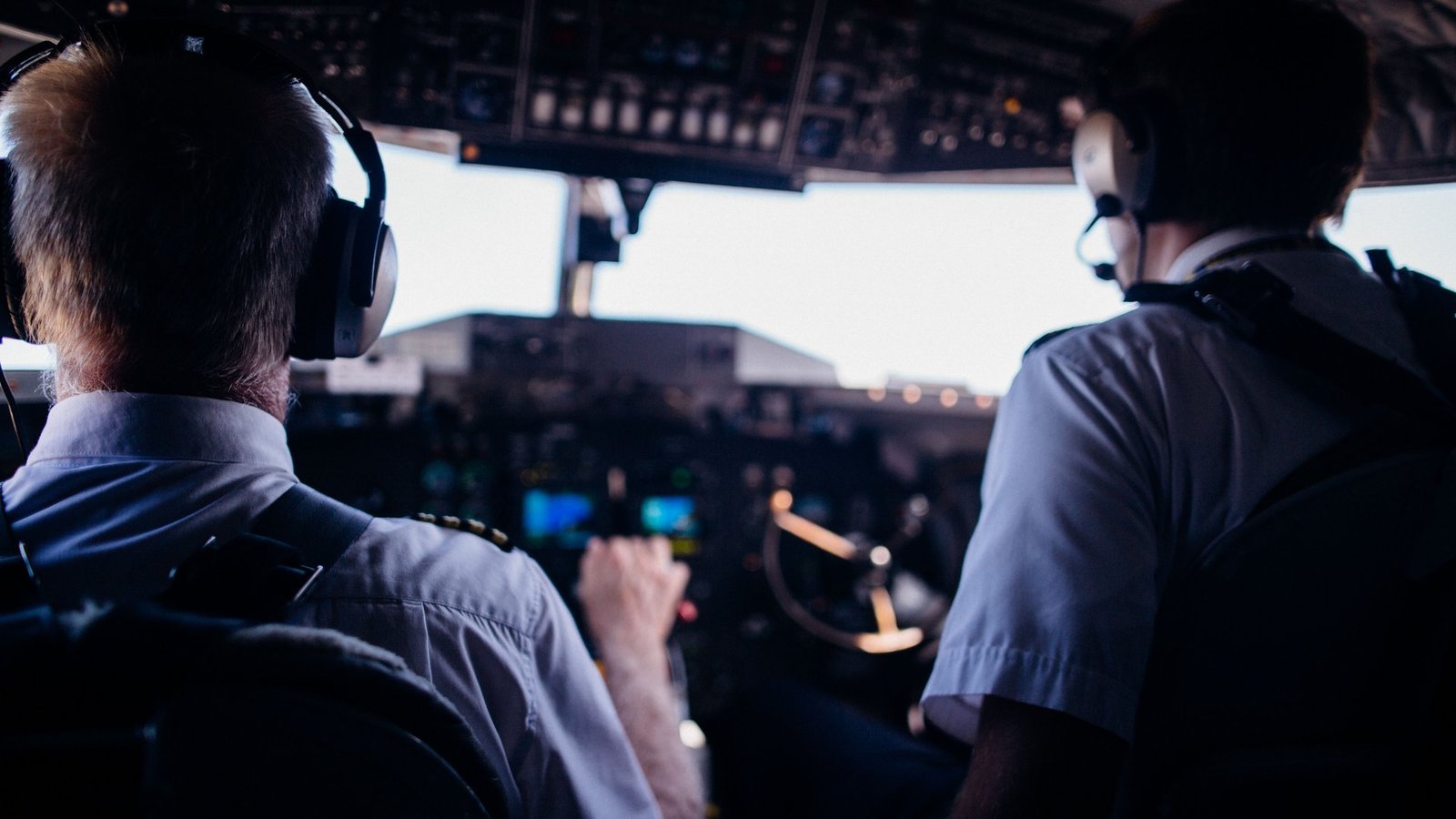
In an alarming incident that highlights the potential dangers of aviation, a recent examination of a Boeing 737 simulator sheds light on the harrowing moments experienced by the crew of a flydubai flight. The aircraft plummeted from an altitude of 34,000 feet to just 17,000 feet within a mere 90 seconds, an occurrence that raises significant questions about cockpit safety and operational protocols.
What Happened During the Flight?
The incident, which has been analyzed in detail through the capabilities of a Boeing 737 simulator, involved a dramatic and rapid descent that left the flight crew scrambling to regain control. The co-pilot’s actions during this crisis have sparked discussions about mental health and professional conduct in high-pressure environments like aviation.
Eyewitness accounts and simulations reveal that the situation escalated quickly, with the co-pilot reportedly attempting to disable the pilot. This alarming attempt to compromise the flight crew’s command underscores the importance of psychological evaluations for those in such critical roles.
The Implications of the Incident
This terrifying drop from cruising altitude was nothing short of miraculous, given that the aircraft survived the ordeal. The ability of the plane to withstand such extreme conditions without catastrophic failure raises both concerns and appreciation for the engineering behind modern aviation technology. However, it also emphasizes the need for stringent regulations regarding crew mental health and behavior.
The implications of this incident extend beyond just the individuals involved; they touch upon the broader aviation industry, which relies heavily on the mental and physical well-being of its pilots and crew members. As air travel continues to grow, ensuring the safety of passengers must remain a top priority.
What Comes Next for Aviation Safety?
Following this incident, there is likely to be a renewed focus on safety protocols in the aviation sector. Regulatory bodies may implement stricter guidelines regarding the psychological assessments of flight crews to prevent similar occurrences in the future. Training programs could also be revised to include more comprehensive crisis management strategies, ensuring that crews are equipped to handle unexpected situations.
Moreover, this incident serves as a reminder for airlines worldwide to prioritize their pilots’ mental health, providing them with the necessary support systems to cope with the pressures of their roles. The lessons learned from this flydubai flight may ultimately lead to enhanced safety measures, protecting passengers and crew alike from potential threats.