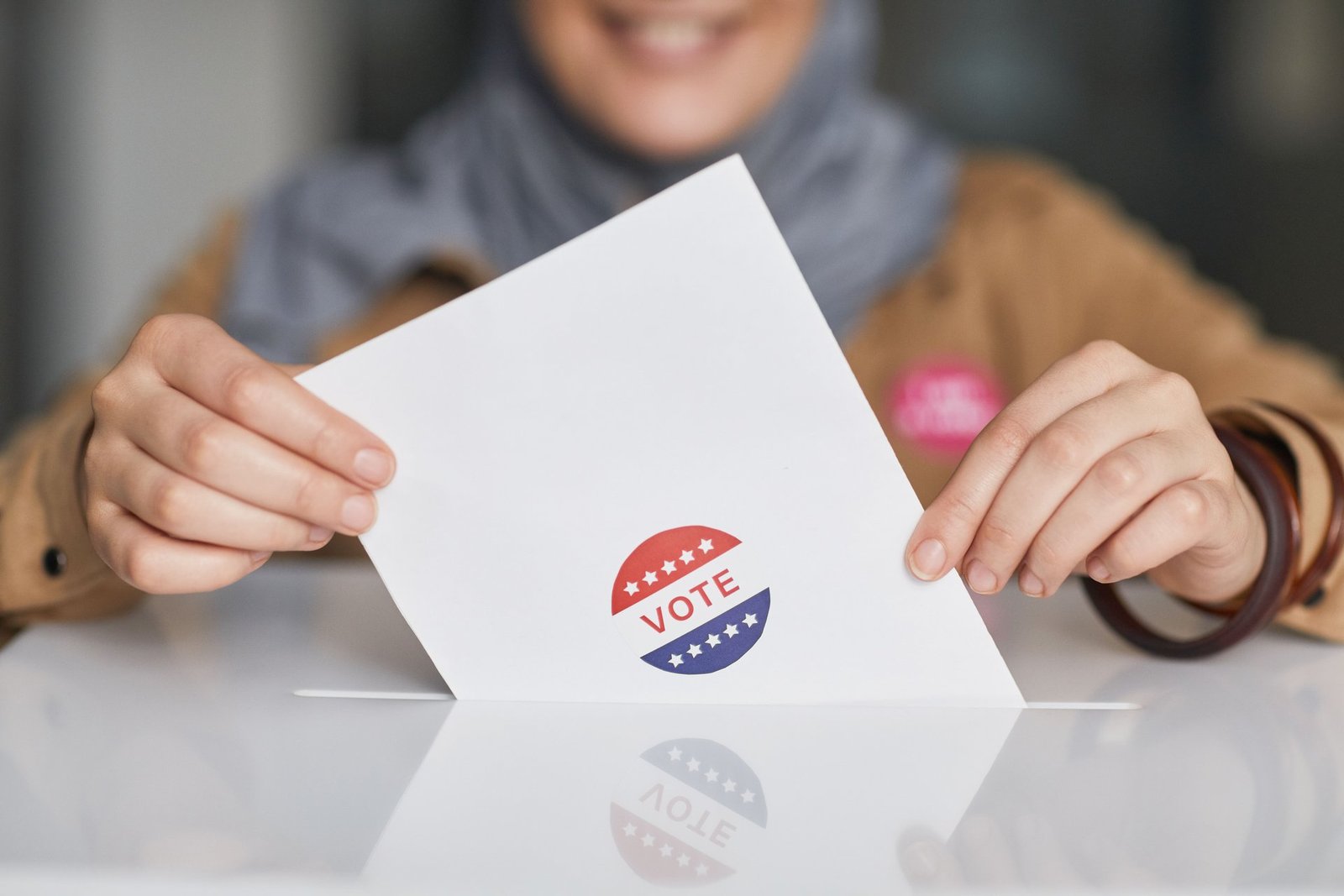
In the landscape of Indian politics, the notion of boycotting elections has garnered significant attention, especially in light of recent assertions regarding the integrity of polling processes. A notable voice advocating for such a boycott has emerged from an unexpected source—the Cockroach Janta Party. This call for abstaining from the electoral process raises crucial questions about its effectiveness and the motivations behind it.
The Call for Boycott: Who’s Behind It?
The Cockroach Janta Party, a relatively obscure political entity, has made headlines with its demand for a boycott of upcoming elections, citing concerns about the credibility of the electoral system. This demand stands out not only because it originates from a smaller party but also due to the broader implications it poses for the political landscape in India.
Boycotting elections is a tactic that has been employed in various democracies around the world, often aimed at protesting perceived injustices or flaws within the political system. However, the effectiveness of such a strategy is widely debated among political analysts and scholars.
Does a Boycott Actually Make a Difference?
One of the central questions raised by the call for a boycott is whether abstaining from the electoral process can indeed lead to meaningful change. Research and historical examples suggest that the impact of a boycott can vary significantly depending on the context and the motivations of those calling for it.
In some instances, boycotts have succeeded in drawing attention to critical issues within the political system, galvanizing public support and prompting reforms. Conversely, there are also examples where boycotts have failed to achieve their intended goals, leading to political marginalization instead of empowerment.
Expert Opinions on the Matter
Political analysts emphasize that the effectiveness of a boycott often hinges on widespread public support and active engagement from the electorate. If a significant portion of the population shares the concerns raised by the boycotters, there may be a stronger case for abstaining from elections.
However, experts also caution against the potential pitfalls of such a strategy. A boycott can inadvertently reinforce the status quo by allowing those in power to claim legitimacy through voter turnout, even if the election outcomes are contested. This perspective suggests that while boycotting can be a form of protest, it may not always lead to the desired political change.
Conclusion: What Lies Ahead for Indian Politics?
As the political landscape continues to evolve, the call for a boycott raises essential discussions about the electoral process and the role of smaller parties in shaping the future of Indian democracy. Whether the Cockroach Janta Party’s demands resonate with the broader public remains to be seen, but the dialogue surrounding electoral integrity is sure to persist.
In conclusion, while calls for boycotting elections can serve as a catalyst for discussion and reflection on the state of democracy, their practical implications must be weighed carefully. Understanding the nuances of such strategies is vital for both political entities and the electorate as they navigate the complexities of governance and representation in India.