
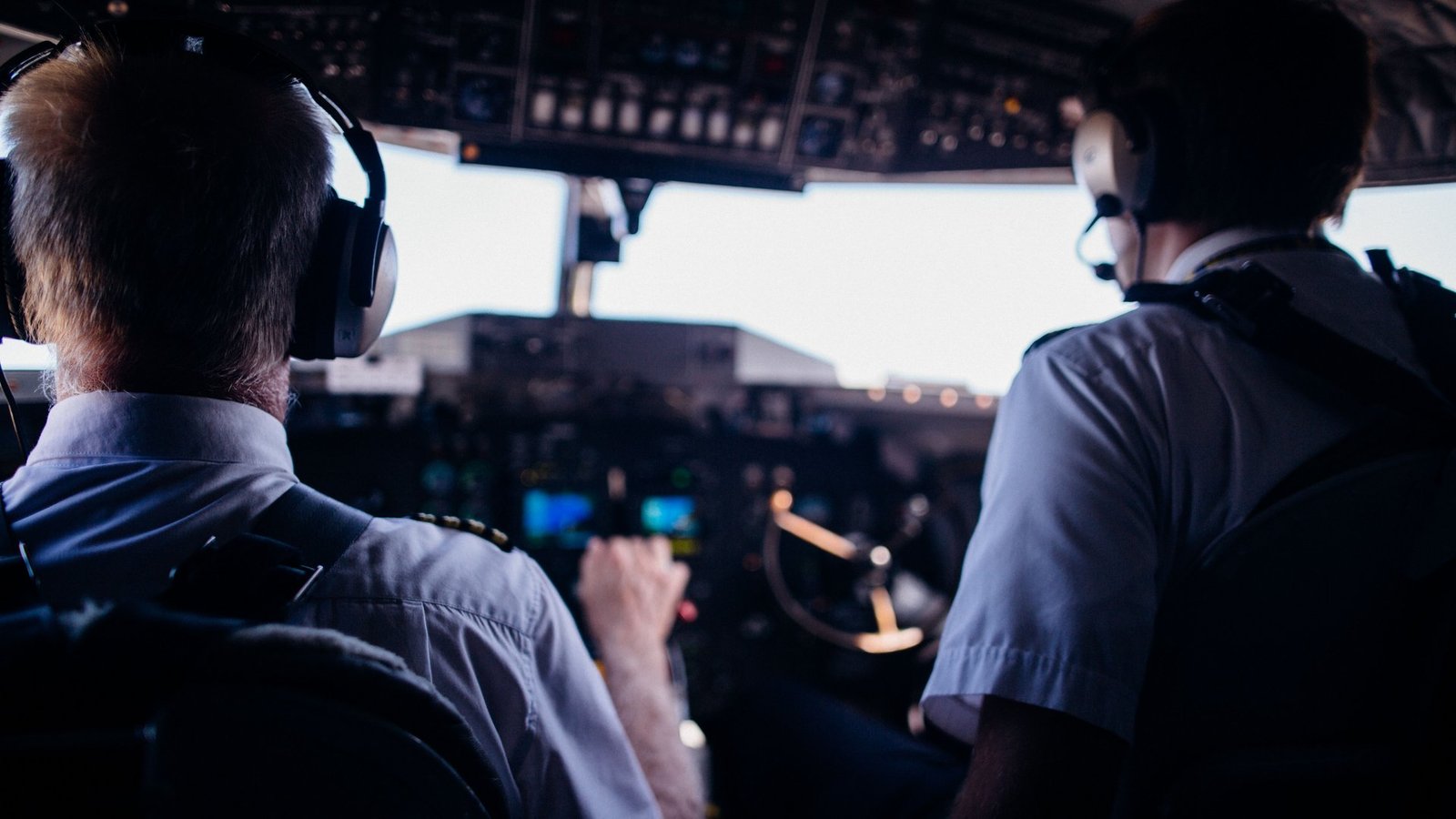
A recent incident aboard a Flydubai flight has drawn significant attention after a co-pilot allegedly attempted to sabotage the aircraft, putting the lives of over 170 passengers at risk. The dramatic events unfolded mid-flight, leading to an emergency situation that has raised concerns about aviation safety protocols.
The Incident Unfolds
During the flight, which was en route to its destination, tensions escalated when the Omani co-pilot reportedly tried to take control of the aircraft in a reckless manner. This alarming behavior prompted immediate intervention from the captain, Smit Machchhar, who bravely attempted to thwart the co-pilot’s actions.
As Captain Machchhar stepped in to prevent the co-pilot from carrying out what could have been a catastrophic act, the situation took a violent turn. In an unexpected and shocking move, the co-pilot resorted to stabbing the captain. This act of aggression not only endangered the flight crew but also put the lives of all passengers aboard the aircraft in jeopardy.
Passenger Reactions and the Aftermath
As the chaos unfolded, passengers were understandably shaken. One individual, reflecting on the harrowing experience, noted that they had to reassure their children by likening the unsettling moments to a roller coaster ride, attempting to ease their fears. Such comparisons underscore the psychological impact of the event on those who were on board.
The crew’s quick response and the captain’s bravery were crucial in maintaining control of the situation. Following the incident, emergency protocols were activated, and the flight made an unscheduled landing to ensure the safety of all individuals involved. Authorities were alerted and took immediate action upon landing to apprehend the co-pilot and secure the aircraft.
Implications for Aviation Safety
This incident raises serious questions about the safety measures currently in place within the aviation industry. It highlights the potential risks posed by individuals who may be unfit to serve in critical roles that ensure the safety of flights. Airlines and regulatory bodies may need to reevaluate their processes for vetting and monitoring crew members to prevent similar occurrences in the future.
Moreover, the psychological impact on passengers must not be overlooked. Events like this can lead to long-term anxiety regarding air travel, prompting airlines to consider offering support services for those affected by such traumatic experiences.
What Lies Ahead
As investigations into the incident are expected to unfold, it is imperative that both the airline and aviation authorities provide transparent updates to the public. The goal will be to assure passengers that measures are being taken to enhance safety and prevent future incidents.
In the wake of this event, it is crucial for the aviation industry to take proactive steps in addressing crew behavior and ensuring the mental health of both staff and passengers. The aim is not only to restore confidence in air travel but also to ensure that safety remains the top priority in an industry that connects millions across the globe.