In the early hours of the morning, explosions echoed through Ethiopia’s capital, Addis Ababa, with reports indicating blasts near the military headquarters in the west and another in the southern part of the city. These incidents occurred shortly after authorities imposed a ban on drone flights over the capital, following a resurgence of conflict in the north between government forces and a coalition of armed groups, including those from the Tigray region.
Drone Strikes and Rising Conflict
Opposition sources have claimed responsibility for the blasts, attributing them to drone strikes. According to a resident near the secret service base in the southern area of the city, the explosion was substantial enough to trigger car alarms. He recounted hearing the blast in the Gotera neighborhood around 00:30 local time (21:30 GMT).
In the western suburb of Torhayloch, another resident described experiencing an explosion while spending time with friends. Despite these accounts, official confirmation regarding the cause of the explosions, the specific locations affected, or any potential casualties or damage remains absent. Attempts to obtain comments from the offices of Prime Minister Abiy Ahmed, the defense ministry, and police authorities have been unsuccessful.
Diplomatic Tensions and Regional Instability
In a related development, Ethiopia’s foreign ministry announced the closure of its embassy in Eritrea and the expulsion of ten Eritrean diplomats, citing activities that threaten Ethiopia’s national security. Eritrea, however, has refuted claims of supporting the new rebel alliance.
Recent clashes mark the latest chapter in a prolonged period of tension between the Ethiopian government and the Tigray People’s Liberation Front (TPLF). Both parties accuse each other of breaching a peace agreement that concluded a devastating two-year civil war, which reportedly resulted in 600,000 fatalities.
Military Movements and Humanitarian Impact
In recent weeks, an alliance of seven armed groups, including the TPLF and the Amhara militia Fano, has emerged with the objective of overthrowing the Addis Ababa government. Conflicting narratives persist regarding the initiation of the recent hostilities, with the TPLF alleging a federal offensive and the government attributing the conflict to Tigrayan forces seizing airports.
Amidst the turmoil, the national army and allied militias are advancing towards Mekelle, the main city in Tigray. Reports from Alamata, a southern town in Tigray, indicate that 52 civilians have died due to heavy fighting. Meanwhile, the TPLF is engaged in battles in the neighboring Afar region, prompting significant displacement as tens of thousands flee their homes.
Regional Dynamics and Security Concerns
Fighting near Lalibela in the Amhara region, a UNESCO World Heritage site, has stranded tourists and involved the national army and Fano fighters, now aligned with the TPLF. The Ethiopian government accuses Eritrea of supporting these groups, while Eritrean officials deny these allegations, instead accusing Ethiopia’s ruling party of deflecting attention from internal conflicts.
Relations between Ethiopia and Eritrea have deteriorated over Ethiopia’s interest in reclaiming access to a Red Sea port, an issue that has heightened tensions. Prime Minister Abiy Ahmed has suggested forceful measures to secure the port of Assab, crucial for Ethiopia’s economic future.
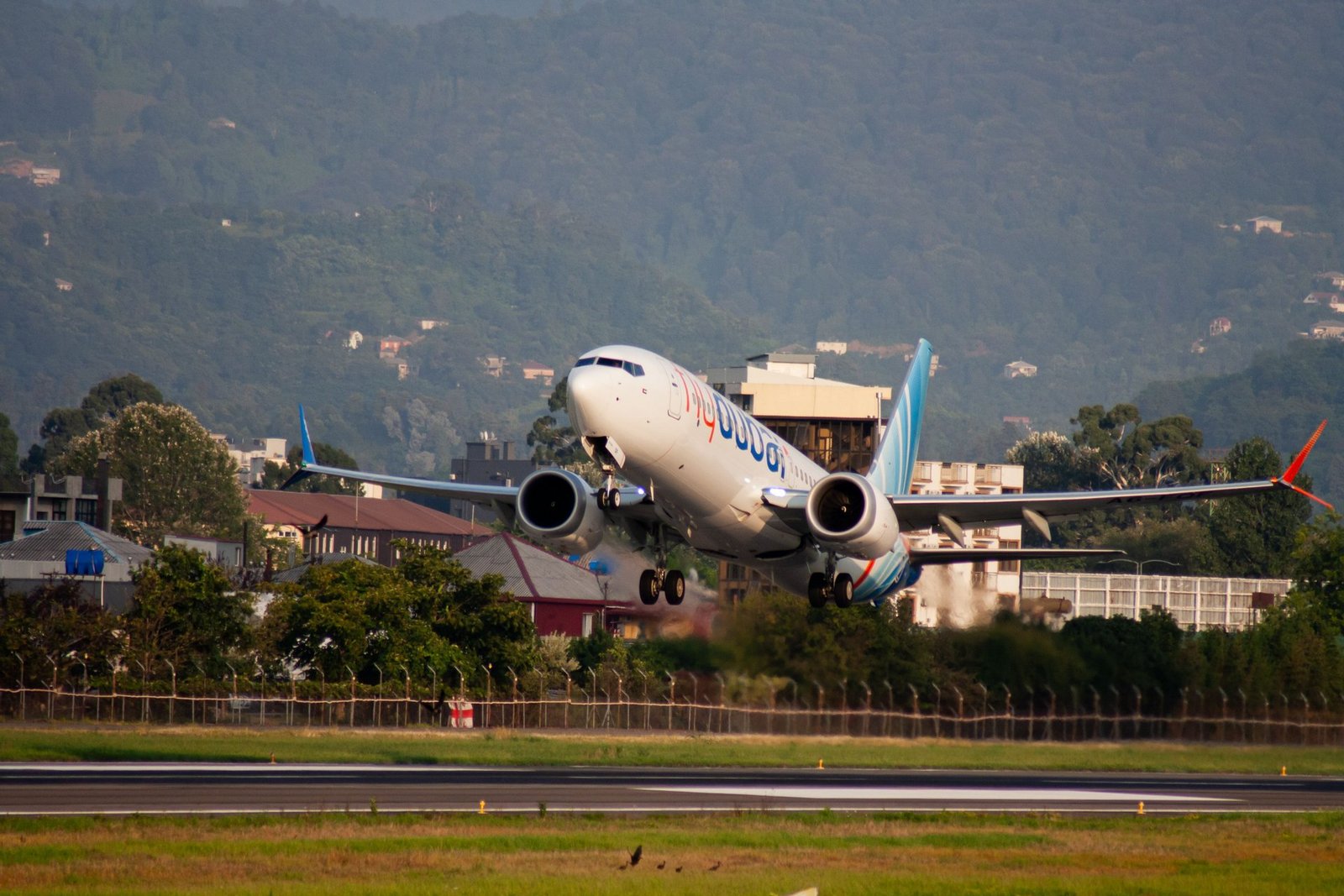
Amidst these escalating tensions, the National Intelligence and Security Service (NISS) has enforced an indefinite ban on drone flights in Addis Ababa, citing the need to safeguard national leaders and critical infrastructure. Legal repercussions are promised for unauthorized drone activities in restricted zones.