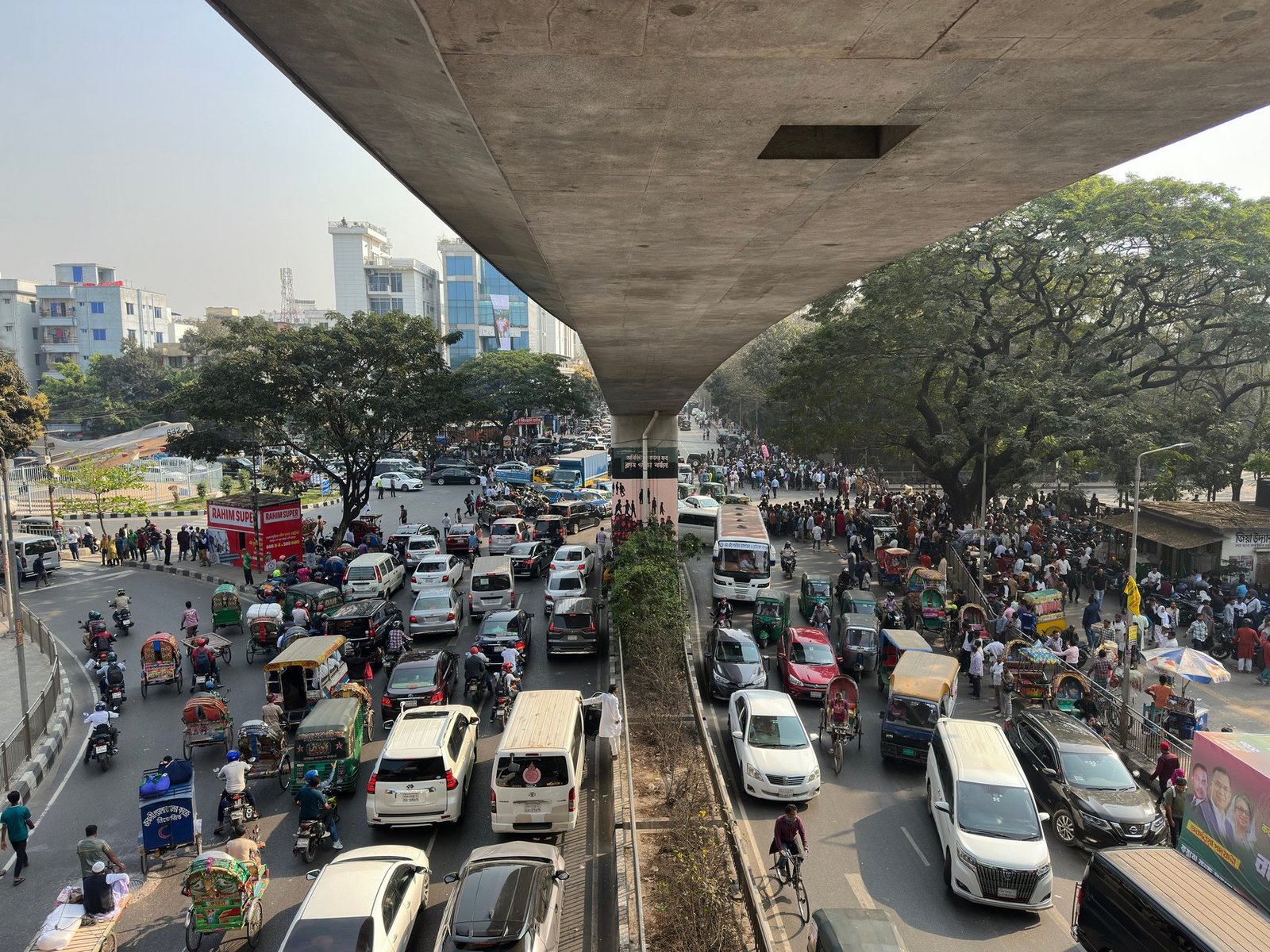
Despite the much-anticipated opening of the Barapullah Phase-III Flyover in Delhi, which took place recently, commuters are already facing significant traffic congestion on the newly inaugurated route. The flyover, which is part of a larger infrastructure initiative, was introduced to alleviate traffic woes in the city and improve connectivity.
Project Background and Timeline
The Barapullah Phase-III project, which carries a hefty price tag of Rs 1,635 crore, was initially green-lit in 2014. Construction kicked off in 2015, with high hopes that it would be completed within a two-year timeframe. However, the project encountered multiple delays, pushing back its expected completion date to far beyond the original 2017 deadline.
As the project progressed, various factors contributed to the escalation of both time and costs. The delays were attributed to logistical challenges, regulatory hurdles, and other unforeseen circumstances that are often associated with large-scale infrastructure projects. As a result, the financial implications of the project have grown considerably over time.
Current Situation and Implications
In the aftermath of the inaugural launch, the promise of smoother traffic flow appears to be unfulfilled, as commuters are reporting heavy congestion on the flyover. This situation raises questions about the effectiveness of the project and whether it will ultimately achieve its intended purpose of easing the traffic situation in Delhi.
The ongoing bottlenecks indicate that the infrastructure may not be adequately equipped to handle the volume of vehicles it was designed for, leading to frustrations among daily commuters. Many are now left wondering how long these traffic issues will persist and if further measures will be necessary to manage the congestion effectively.
Looking Ahead
As traffic patterns continue to evolve, city planners and transport authorities will likely need to monitor the situation closely. This could involve reassessing the design of the flyover, implementing traffic management strategies, or even planning additional projects to complement the Barapullah Phase-III Flyover.
For the residents of Delhi, the hope remains that this significant investment will ultimately lead to improved traffic conditions. However, the initial congestion raises concerns about the project’s future effectiveness and the ongoing struggle for efficient transportation in the bustling capital city.