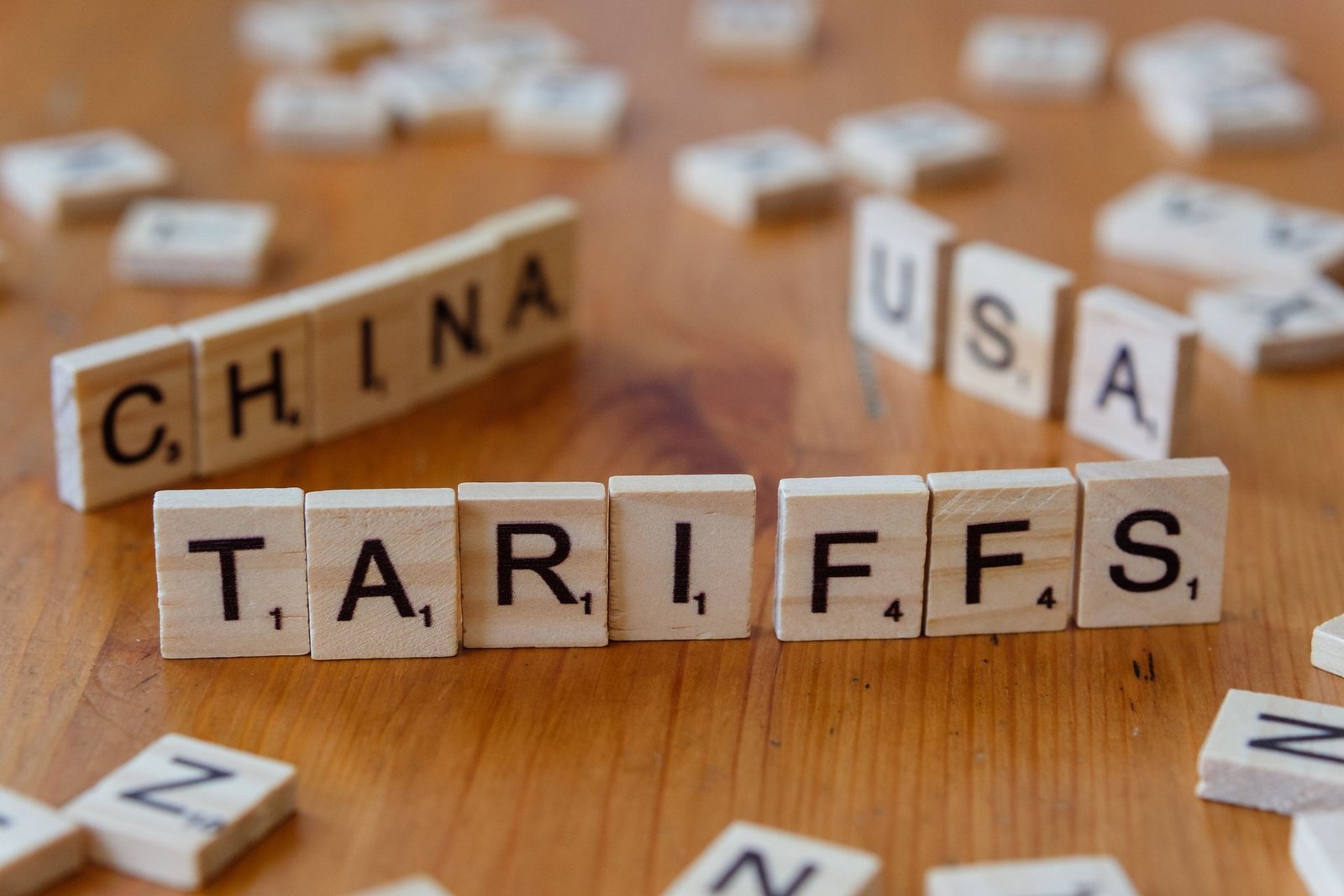
At the recent 5th Kautilya Economic Conclave held in New Delhi, PK Mishra, who serves as the Principal Secretary to the Prime Minister, highlighted the evolving landscape of trade policy and its significant impact on global economic stability. His keynote speech addressed the strategic use of tariffs and export controls, emphasizing their growing role in shaping international trade relations.
Mishra noted that the dynamics of trade policy are not just a matter of economic strategy but have become crucial tools for nations aiming to assert their influence on the global stage. He pointed out that these tools, while necessary for protecting national interests, can also lead to increased uncertainty for both economies and policymakers as they navigate complex international waters.
During his address, Mishra underscored the delicate balance that governments must maintain between leveraging these tools for strategic advantages and ensuring that they do not disrupt global trade flows. The escalating use of tariffs and export controls, he suggested, could lead to unintended consequences, affecting not only bilateral trade relationships but also broader economic alliances.
Understanding the Impact on Global Economies
The Principal Secretary elaborated on how the changing nature of trade policy is increasingly characterized by protectionist measures, which can complicate the economic landscape for countries worldwide. Mishra’s remarks resonate with ongoing concerns among economists regarding the rise of nationalism in trade, which poses challenges to multilateral trade agreements and partnerships.
He cautioned that as nations adopt these measures, it is essential to consider the long-term implications for global supply chains and economic recovery, particularly in the aftermath of the COVID-19 pandemic. Mishra’s comments reflect a broader sentiment among economic leaders who advocate for a balanced approach to trade policy that promotes cooperation rather than conflict.
The Future of Trade: A Call for Collaboration
As Mishra concluded his address, he issued a call for enhanced collaboration among nations to address the challenges posed by shifting trade policies. He emphasized the necessity for countries to engage in dialogue and work together to create a stable trading environment that benefits all parties involved.
By fostering open communication and cooperation, governments can mitigate the uncertainties caused by tariffs and export controls. Mishra’s insights shed light on the crucial role of strategic trade policies in the current geopolitical climate, urging leaders to prioritize collaborative efforts over competitive posturing.
The discussions at the Kautilya Economic Conclave are likely to influence future policy-making as nations grapple with the implications of their trade strategies. With global economies interconnected more than ever, the need for a unified approach to trade has never been more critical.