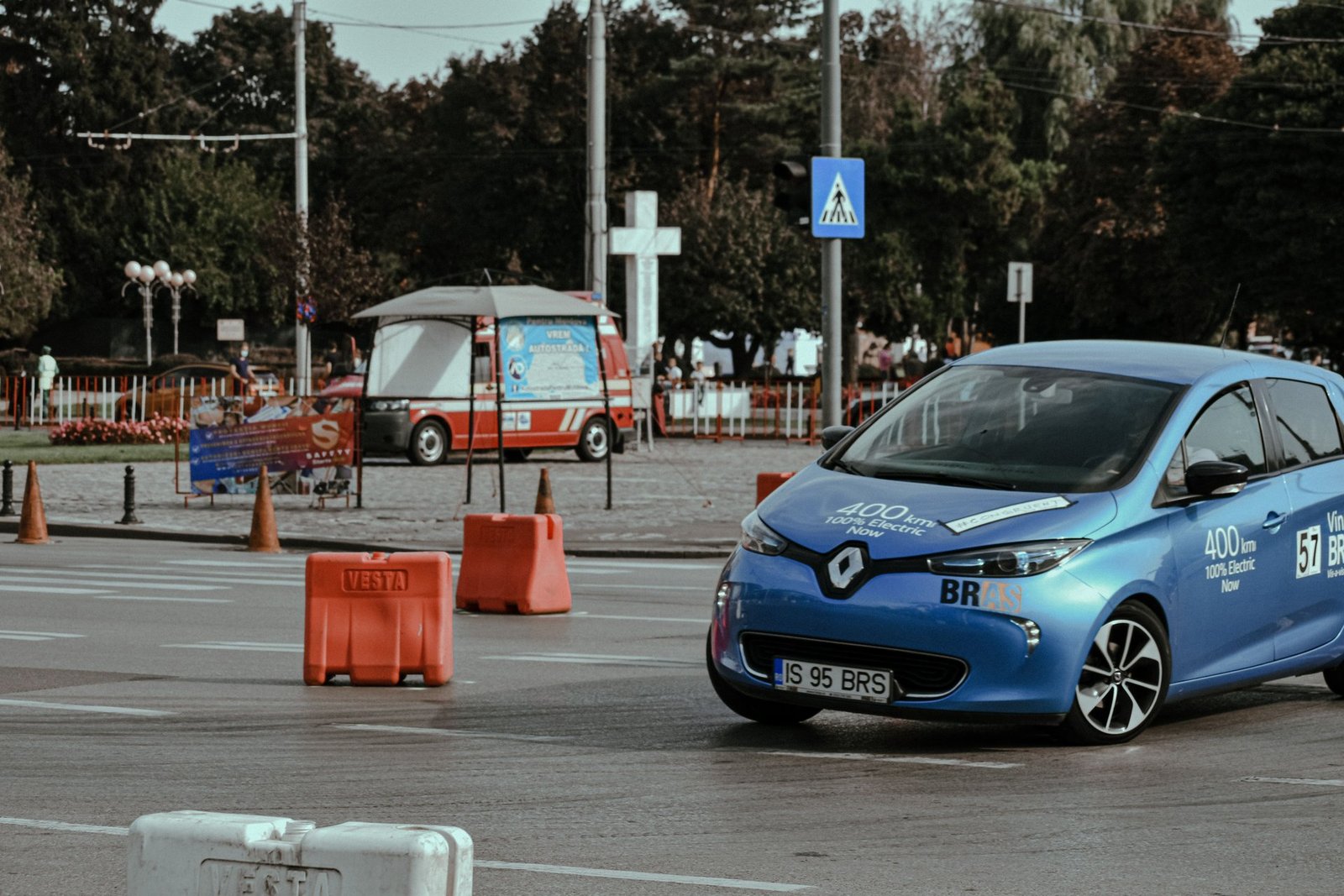
Electric vehicles (EVs) are gaining popularity, yet some passengers, like Lola Baird, are experiencing unexpected side effects. Lola, a 24-year-old from north London, had never dealt with motion sickness until her boyfriend switched to an electric car two years ago. Since then, long drives have become challenging, and she’s even urged him to consider changing vehicles.
Why Some Passengers Feel Unwell
It seems Lola’s experience isn’t isolated. Numerous passengers report increased feelings of nausea when traveling in EVs. However, this isn’t a universal experience, as many EV drivers and passengers report no issues. Dr. Irene Di Giulio of King’s College London and Dr. Nicholas Hac, a neurologist at Northwestern Medicine, suggest that EVs might exacerbate motion sickness for some individuals.
The phenomenon isn’t well-documented yet, and experts like Dr. Bill Yates from the University of Pittsburgh acknowledge the lack of comprehensive studies. While anecdotal evidence exists, more rigorous research is necessary to draw definitive conclusions.
Potential Causes of Motion Sickness in EVs
Motion sickness arises from conflicting sensory signals. Dr. Hac explains that our bodies use visual, vestibular, and proprioceptive inputs to detect movement. Discrepancies among these signals can trigger nausea. For instance, reading while in motion can cause sickness because the eyes don’t register the vehicle’s movement.
Electric cars, which lack traditional engine sounds and vibrations, might disrupt these sensory cues. The smooth yet immediate power delivery and regenerative braking in EVs can also contribute to discomfort. Dr. Di Giulio notes that these features, while efficient, can feel abrupt to passengers accustomed to conventional vehicles.
Adapting to New Driving Experiences
While some passengers experience discomfort, others, like Vicky Edmonds of EVA England, report no such issues. She suggests that driving style may play a more significant role than the vehicle itself. Meanwhile, Mike Hawes from the Society of Motor Manufacturers highlights that drivers typically adapt to EVs’ unique characteristics over time.
Genetics can also influence susceptibility to motion sickness, with women and children often more affected. Prof. John Golding notes that exposure can help individuals become less prone to motion sickness over time.
Mitigating Motion Sickness in EVs
For those struggling with motion sickness in EVs, several strategies may offer relief. Sitting in the front seat, keeping one’s head still, and opening windows for fresh air can help. Additionally, regular exposure to EV travel might reduce symptoms as the body adjusts.
Automakers are exploring solutions, such as smoothing acceleration and deceleration or incorporating subtle vibrations and sounds to signal movement. These innovations could make EV travel more comfortable for sensitive passengers.
Looking Towards the Future
As EVs become more prevalent, understanding and addressing motion sickness will be crucial. With a significant increase in zero-emission vehicles on UK roads, the need for effective solutions is pressing. Researchers and manufacturers are working together to enhance passenger comfort, ensuring that EVs remain a viable option for all.
For passengers like Lola, the hope is that either advancements in EV technology or a switch to a different vehicle will alleviate their discomfort sooner rather than later.