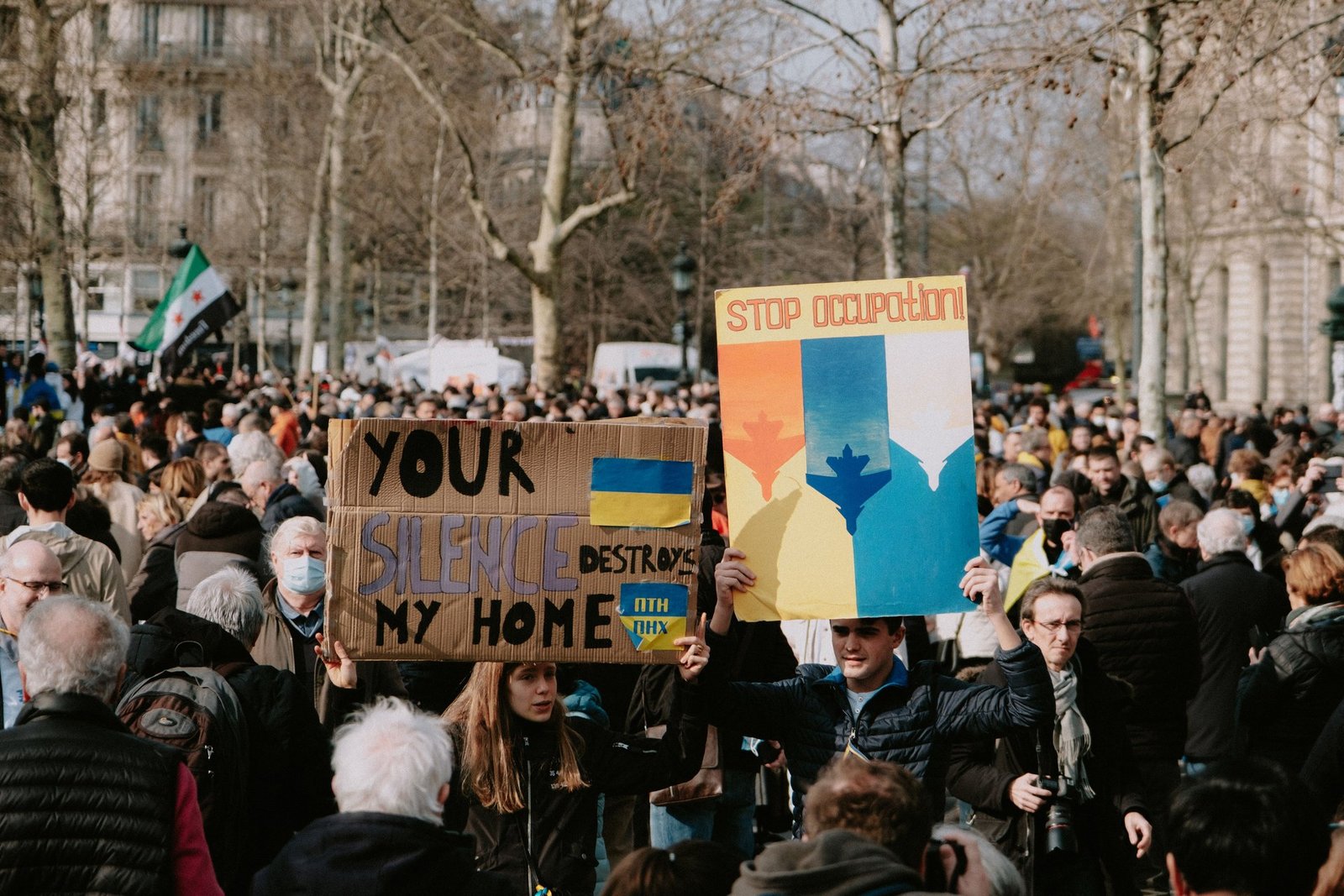
Across France, a powerful wave of protests by high school students has expanded to include parents, university students, and unions. Demonstrators took to the streets in large numbers, demanding better resources for schools and calling for reduced police intervention.
Escalating Tensions in Major Cities
In Paris, teenagers marched from the Place de la République, voicing their demands. Meanwhile, law enforcement and protestors clashed in Lyon, with tear gas being deployed in both Paris and Marseille, and water cannons used in Rennes. Despite these confrontations, the serious violence seen in past protests was largely absent.
Prime Minister Sébastien Lecornu expressed disapproval of the earlier violence, noting that since the protests began, injuries included 215 students, 85 staff members, and 715 police officers. The government reported disruptions in 891 high schools, and estimated over 250,000 people participated in the demonstrations, whereas students’ unions claimed participation was as high as 450,000, with 1,800 schools blockaded.
Voices from Marseille
In Marseille, thousands of demonstrators moved through the city, pausing to chant before changing direction as police approached. A group of masked individuals attempted to fortify themselves with barricades, prompting the use of tear gas by riot officers.
Alissa, a student in Marseille, highlighted the non-violent nature of most protestors, stating, “We’re going to the streets because they’ve closed our schools… schools are falling apart.” Her friend Sacha emphasized the poor conditions in local schools, with leaking ceilings making it difficult to study effectively. “We will keep doing this until good measures are taken,” he declared.
Political Implications and Government Response
In parliament, the prime minister accused the radical-left France Unbowed (LFI) party of attempting to create chaos ahead of the upcoming presidential elections. With President Emmanuel Macron nearing the end of his term, LFI leader Jean-Luc Mélenchon is currently positioned second in polls, following Marine Le Pen of the National Rally.
President Macron was set to meet with ministers at the Élysée Palace to evaluate the situation. Education Minister Édouard Geffray has called for dialogue over school closures, criticizing the infiltration of “ultra-violent elements” into student movements. Despite initiatives like a grievance website and scheduled discussions, student demands remain unmet.
Concerns Over Police Conduct
Allegations of excessive police force are under investigation by France’s IGPN police inspectorate. A police officer faces charges after a tear-gas grenade injured a student, Eden, north of Paris. The incident resulted in serious injuries including a fractured jaw and broken teeth.
In another incident in Lens, a 15-year-old lost a hand following the explosion of an anti-encirclement grenade. The local prefect stated the grenade detonated during a confrontation, but students claim it was directly fired at them.
Historical Context and Public Support
The protests initially sparked by concerns over overcrowded classrooms and poor school conditions in Seine-Saint-Denis have now spread nationwide. The French interior ministry reported over 6,500 arrests since the protests began.
Participants of all ages joined the protests on Tuesday. Among them were Alain and Michèle, a couple in their 70s and former teachers, who marched in Paris to support their grandchildren and other students, despite facing tear gas during peaceful protests.