The midsize SUV segment is witnessing intense competition with recent introductions like the Tata Sierra, Renault Duster, Nissan Tekton, and refreshed versions of the Volkswagen Taigun and Skoda Kushaq. Longstanding models such as the Kia Seltos and Hyundai Creta continue to hold their ground, with the latter set for a next-gen release. New entries like the Hyundai Bayon are also on the horizon. Powertrain options are diversifying, with diesel, turbo petrol, CNG, hybrids, and full EVs available. To stay relevant, Honda has revamped its midsize SUV, the Elevate, offering several updates.
Design and Exterior Enhancements
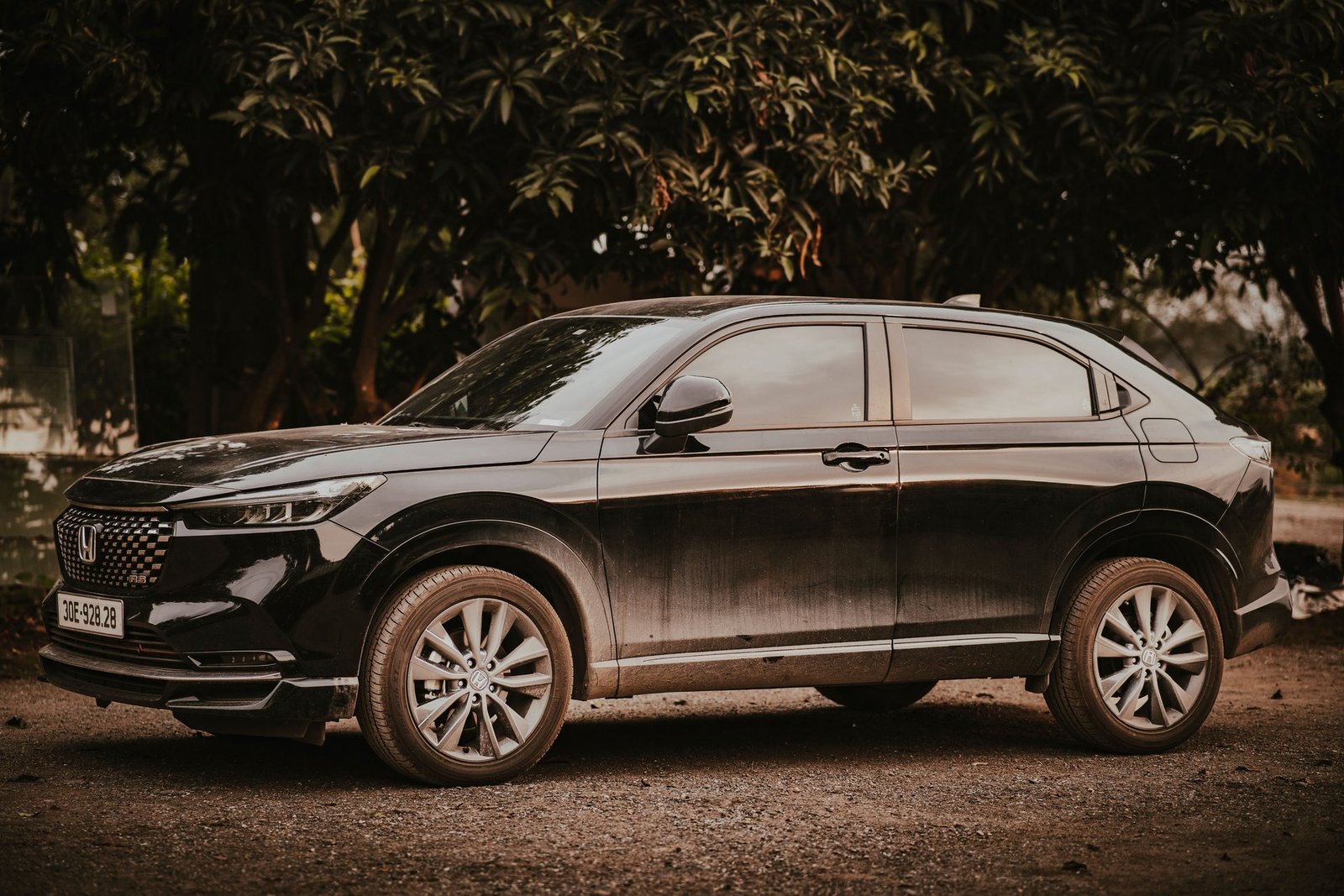
The Honda Elevate’s facelift introduces subtle yet impactful design changes, enhancing its modern appeal while retaining the core design ethos. Notable updates are concentrated at the front, where a new segmented LED light strip connects the headlamps. The chrome band above the headlights has been replaced with gloss black trim, and the grille now features a revised mesh pattern with a sporty gloss-black finish.
The Honda emblem has been repositioned to the bonnet, and the fog-lamp housings now match the body color, creating a cleaner look. Side changes are minimal, with new gloss black body cladding and silver inserts on the doors, complemented by darker alloy wheels. At the rear, a new LED light bar links the tail-lamps, giving a cohesive appearance. The new Nordic Forest Pearl paint adds a fresh touch. Dimensions remain unchanged, with the SUV measuring 4.3 meters in length and having a 2650mm wheelbase and 220mm ground clearance.
Interior Comfort and Space
The most significant updates are within the cabin, focusing on enhancing comfort and quality. A new ivory and black dual-tone upholstery replaces the previous tan option, offering a more spacious feel. An all-black upholstery option is available with the ‘Black’ edition Elevate. The dashboard now features white leatherette padding, replacing faux wood trim, and revised AC controls include seat ventilation buttons.
The roofliner fabric has been improved, contributing to a refreshed cabin look while maintaining a familiar layout. The driving position remains ergonomic, with supportive front seats, although lumbar support may seem excessive for some. Rear seating offers generous space for two adults, though fitting a third is tight due to limited width. Features include adjustable headrests, USB charging ports, and capacitive-touch LED reading lamps. The boot offers 458 liters of space, with a spare tire under the floor.
Features and Safety Additions
The facelift addresses equipment gaps, adding a 360-degree camera alongside the LaneWatch feature, although the camera’s display is limited. Front parking sensors aid maneuverability, and CVT variants now include an electronic parking brake, rear disc brakes, and adaptive cruise control with low-speed follow function.
New comfort features include ventilated seats, powered front seats, ambient lighting, and a PM2.5 air purifier. The infotainment system, though basic, offers wireless smartphone integration. Safety features encompass six airbags, ESC, traction control, and ADAS technology. Some features like dual-zone climate control and a panoramic sunroof remain absent.
Performance and Refinement
The Elevate retains its 1.5-liter naturally aspirated petrol engine, producing 121hp and 145Nm, paired with a 6-speed manual or a 7-step CVT automatic. The engine, now WLTP compliant and E20 fuel compatible, offers immediate throttle response and pulls smoothly to the redline. The CVT, equipped with paddle shifters, facilitates smooth daily commuting, though it exhibits the ‘rubber band’ effect under hard acceleration.
Performance remains competitive, with a 0-100kph time similar to the pre-facelift model. However, the lack of diverse powertrain options limits its appeal. Noise insulation has improved, though engine and road noise are still noticeable at high speeds.
Value and Conclusion
The Honda Elevate facelift enhances its feature set and design appeal, addressing some previous shortcomings. Despite the absence of diverse powertrain options and superior sound insulation, it remains a well-rounded option. With prices ranging from Rs 11.80 lakh to Rs 18.40 lakh, it offers a compelling package of comfort, practicality, and reliability, appealing to those prioritizing these aspects over sheer novelty.
Source: Autocar India