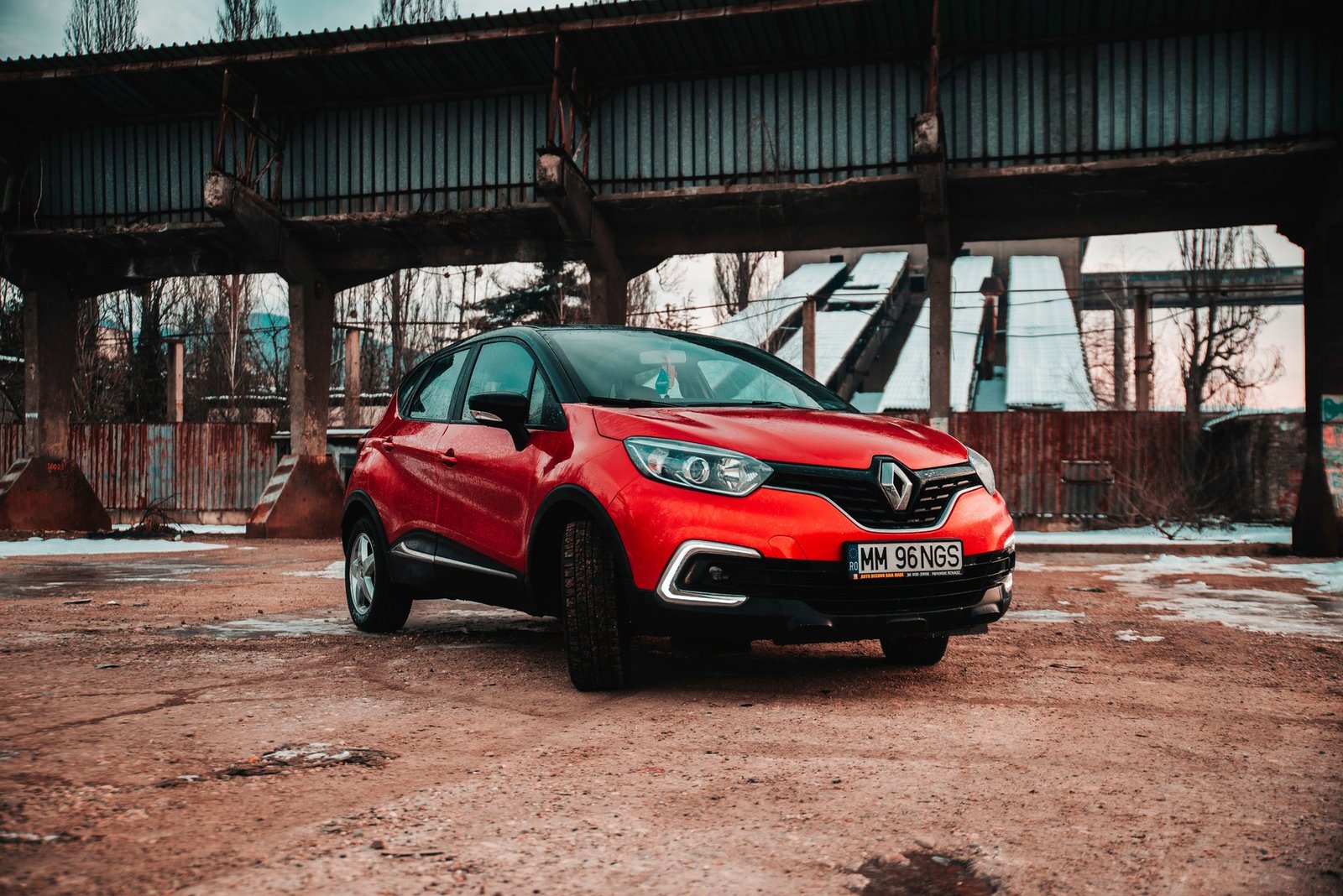
The Renault Kiger, built on the CMF-A+ platform, shares its foundation with the Triber MPV and the Nissan Magnite. With a price range starting from Rs 5.81 lakh to Rs 10.40 lakh (ex-showroom), the Kiger offers two engine options and three gearbox configurations. Below are the key advantages and disadvantages of opting for the Renault Kiger.
Advantages of the Renault Kiger
One of the standout features of the Renault Kiger is its lively turbo-petrol engine combined with an efficient CVT. This engine-gearbox pairing is particularly appealing, especially the 1.0-litre three-cylinder turbo-petrol variant, which generates 100hp and 152Nm of torque with the CVT, and 160Nm with the 5-speed manual. The CVT version is favored for its minimal rubber-band effect, providing a smooth driving experience. It effectively maintains the engine’s performance, offering consistent acceleration even beyond 5,000rpm, coupled with quick throttle responsiveness. The Kiger also offers driving modes—Eco, Normal, and Sport—that noticeably alter the driving dynamics.
Another compelling reason to consider the Kiger is its spacious interior, which presents a blend of practicality and comfort. The cabin exudes a more upscale feel compared to its predecessor, particularly in the higher trims. With a contemporary two-tone color scheme and detailed stitching, the interior is visually appealing. Storage solutions are abundant, featuring a 405-litre boot, generous door pockets, dual gloveboxes, and dedicated phone trays. The front seats are designed for comfort, while the rear seats provide ample headroom and legroom. Additionally, the center armrest folds down for cupholders when only two passengers are seated, making it a versatile option for various passenger configurations. The build quality is commendable, especially with the climate control dials that offer a satisfying tactile experience.
Disadvantages of the Renault Kiger
Despite its strengths, the Renault Kiger has some drawbacks that potential buyers should consider. One significant drawback is its relatively basic feature set compared to competitors in the market. The Kiger lacks a powered sunroof, and its 8.0-inch touchscreen is smaller and lower in resolution than those found in rival models. Furthermore, the design of the screen, characterized by thick bezels, detracts from its modern appeal.
In addition, cabin insulation presents a concern. Although Renault claims improvements in soundproofing over the previous model, the Kiger’s interior still allows for noticeable mechanical noise. Sounds from the engine, suspension, and brakes can be easily heard, which detracts from the overall driving experience. Even minor noises, such as those from the rear wiper motor, are discernible, highlighting the need for better acoustic refinement.
Source: Autocar India