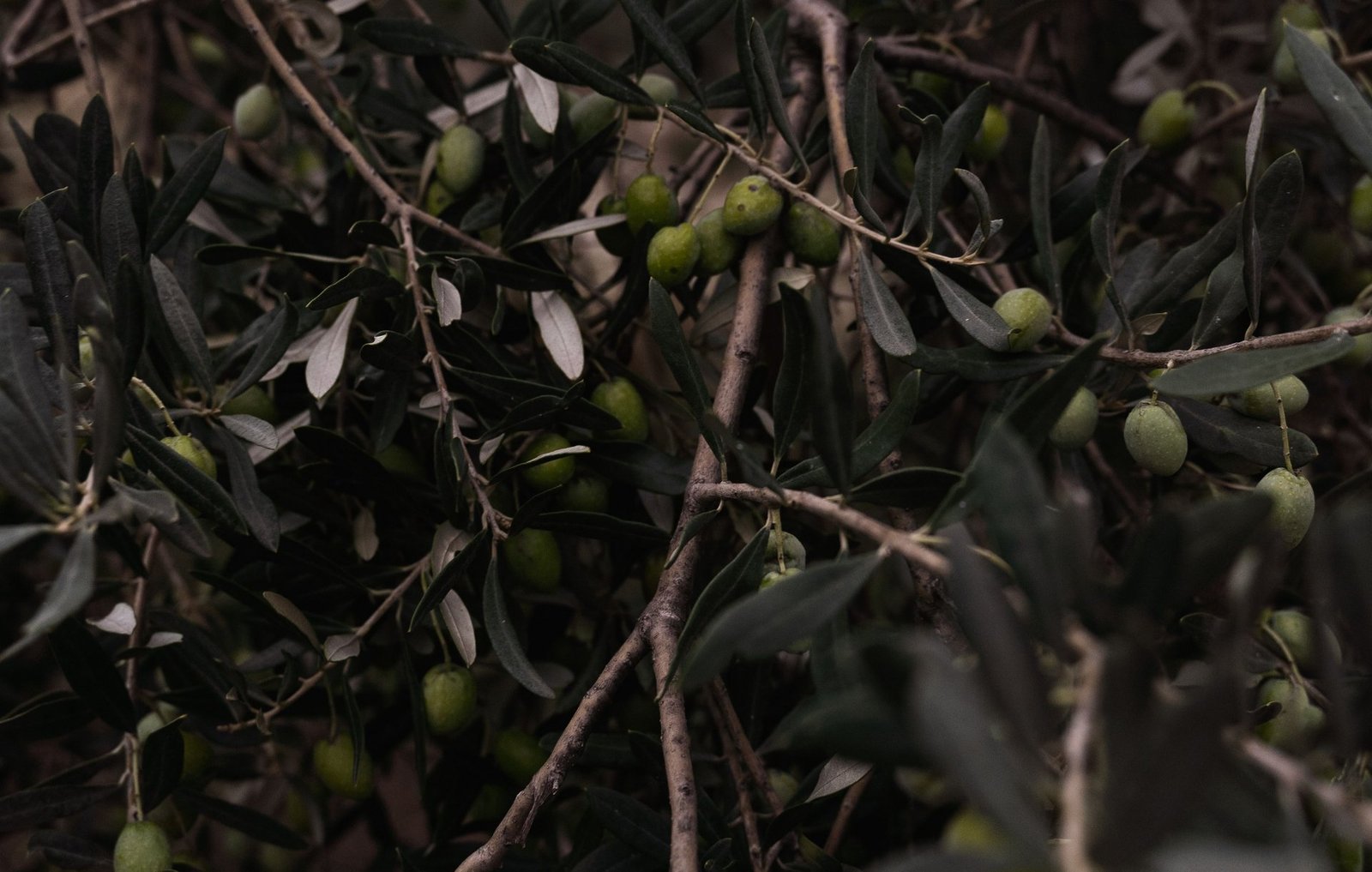
In a distressing incident involving Israeli settlers in the West Bank, approximately 80 individuals descended upon a terraced olive grove near the village of Abu Falah. This area is known for its olive harvest, a significant and deeply rooted tradition within Palestinian culture. The settlers, some of whom were reportedly armed with gas canisters, interrupted the villagers as they were engaged in the annual gathering of the ripe olives.
The olive harvest is not merely an agricultural event; it holds substantial cultural importance for Palestinian communities. It symbolizes resilience and connection to the land, making any disruption to this process particularly painful for the local population. The actions of the settlers have raised concerns among human rights observers and local activists regarding the ongoing tensions in the region.
During this incident, the settlers not only burned trees but also hurled rocks towards the villagers, escalating the conflict and causing fear among those present. This confrontation reflects the broader issues of land rights and agricultural access that many Palestinian farmers face, particularly in areas heavily impacted by Israeli settlement expansion.
Background on Settler Activity in the West Bank
The presence of Israeli settlers in the West Bank has been a contentious issue for decades, with ongoing disputes over land ownership and use. Settlements are often established on land that Palestinians claim, leading to frequent tensions and violent outbreaks. The olive harvest season traditionally sees an increase in confrontations, as settlers may attempt to assert control over land that Palestinian farmers rely on for their livelihoods.
International organizations have documented numerous incidents where settlers have engaged in aggressive actions towards Palestinian farmers, including destruction of crops and physical assaults. This pattern of behavior has raised alarms about the safety of Palestinians during harvest seasons, as many face the threat of violence while trying to gather their produce.
The Implications of Continued Violence
The violence experienced during the olive harvest not only affects the immediate community but also contributes to the ongoing cycle of distrust and hostility between Israeli settlers and Palestinian residents. Such incidents can exacerbate existing tensions and hinder any potential dialogue aimed at resolving the Israeli-Palestinian conflict.
The local Palestinian authorities, along with various human rights groups, have called for increased protection for farmers during harvest season, emphasizing the need for a safe environment in which they can work. The ramifications of these disturbances extend beyond the physical impact on the land and the farmers; they also affect the broader socio-political landscape in the region.
As the situation continues to evolve, it remains crucial for both local and international communities to monitor these incidents closely. The need for dialogue and understanding between the parties involved is essential to mitigate further violence and promote peace in this historically fraught region.
Source: NDTV India