In a significant development for commuters in the national capital, the Delhi Metro has implemented a record number of operational restrictions this year, as evidenced by data analyzed by NDTV. As of now, 2026 has already seen a total of 100 restrictions, exceeding the previous peak of 70 restrictions recorded in 2021.
Unprecedented Surge in Restrictions
The current year has set a new benchmark, marking the highest level of restrictions imposed on the Delhi Metro since 2017. The data indicates a worrying trend, as the frequency of these restrictions has escalated considerably in response to rising protests across the city.
Officials have noted that the increase in restrictions is primarily aimed at ensuring the safety and security of passengers, as well as maintaining order during times of heightened civil unrest. The surge in protests has prompted authorities to take preemptive measures, which have directly impacted Metro operations.
The Context of Protests
The rise in protests can be attributed to a variety of socio-political issues that have recently come to the forefront in Delhi. Various groups have mobilized to voice their dissent on matters ranging from government policies to public grievances. The ongoing civil actions have created a challenging environment for public transport systems, leading to the necessity for increased restrictions.
These protests often result in road blockages and disturbances in the vicinity of Metro stations, prompting authorities to take swift action to safeguard the commuting public. The intention behind these operational changes is to minimize disruptions and ensure that the Metro network remains a viable option for commuters during such turbulent times.
Implications for Commuters
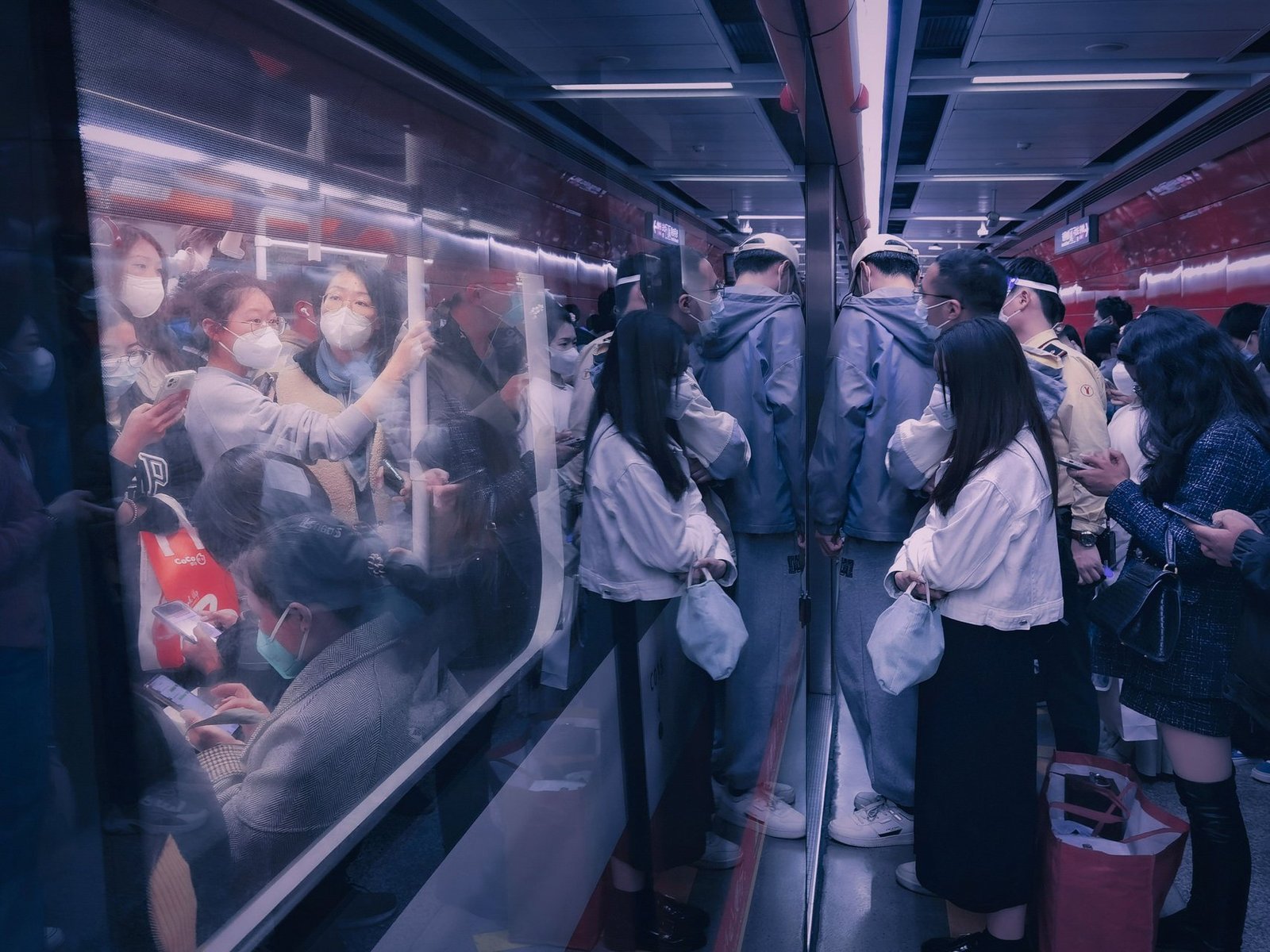
For daily commuters who rely on the Delhi Metro, these restrictions pose significant challenges. With a notable increase in the number of restrictions, passengers may face delays and altered routes, impacting their daily routines. The authorities have urged travelers to remain informed about potential changes to services and to plan their journeys accordingly.
As the city continues to navigate through this period of unrest, the Metro authorities are expected to remain vigilant and responsive to the evolving situation. This might include further adjustments to services based on the levels of protests and public safety considerations.
Looking Ahead
As 2026 progresses, it remains to be seen whether the number of restrictions will continue to rise or stabilize. The ongoing political climate in Delhi will likely play a crucial role in determining the operational status of the Delhi Metro. Commuters are encouraged to stay updated on announcements and advisories issued by the Metro authorities.
The overall impact of these restrictions on public transport and the daily lives of commuters is a critical issue that will require careful monitoring in the coming months. The situation presents both operational challenges for the Metro and a reflection of the broader socio-political landscape within the city.
Source: NDTV India