The latest sightings of the Maruti Fronx facelift reveal notable changes in its exterior design, alongside the introduction of advanced safety features. This facelifted version is built on the same platform as the Baleno, which underwent a redesign in September that included a new 1.2-litre three-cylinder petrol engine and several added features. Many of these updates are anticipated to be incorporated into the refreshed Fronx.
One prominent feature observed on the test mule is a revamped front grille, which appears to house a sensor for the Advanced Driver Assistance System (ADAS). The rear disc brakes are another significant addition, enhancing the vehicle’s braking capabilities. While the lighting elements closely resemble those of the current model, there is a possibility of new bumpers being introduced.
Design Changes Noted on the Test Mule
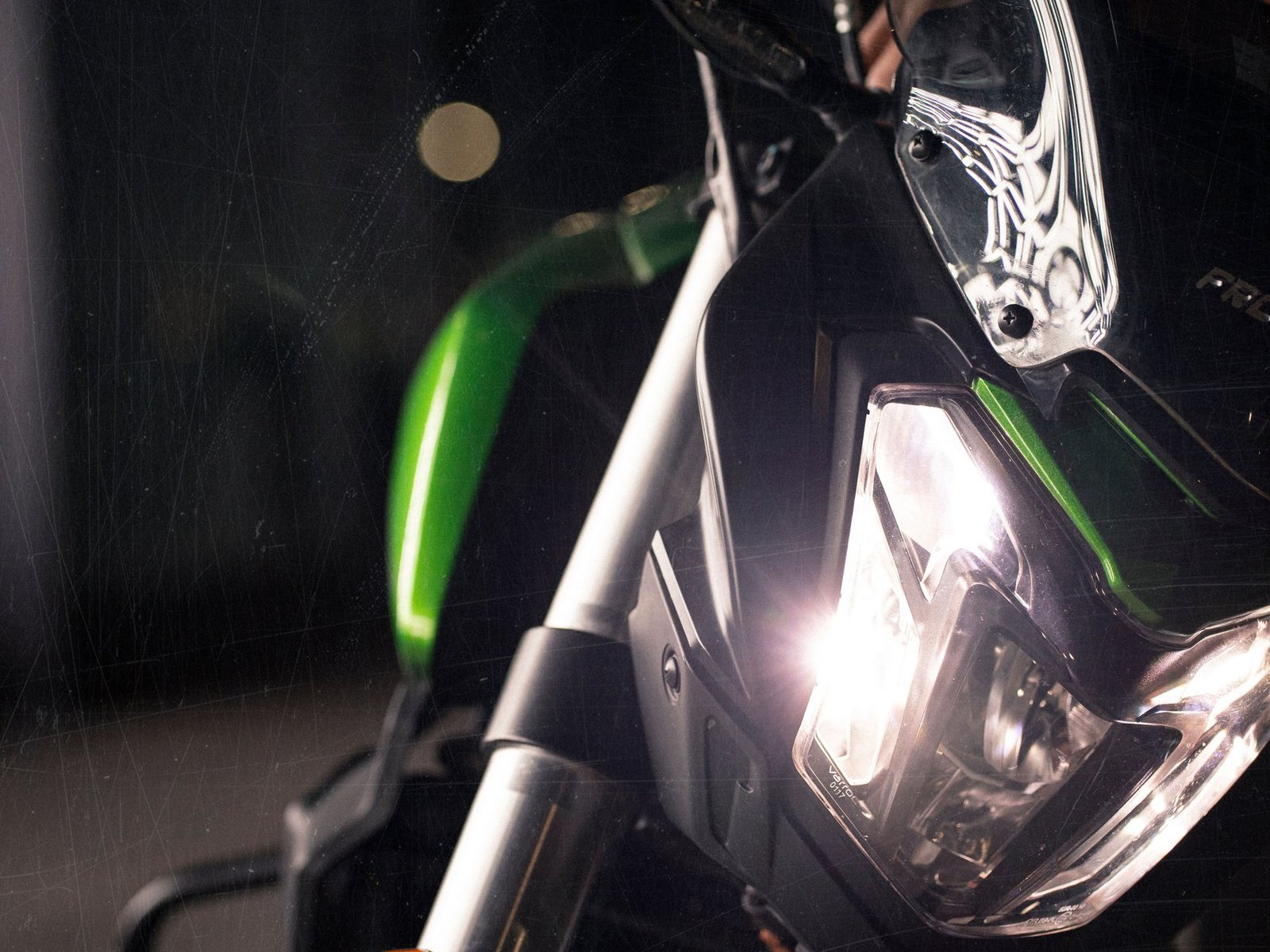
The spied Fronx showcases a modified grille that includes what seems to be a radar sensor box at its center, essential for the ADAS suite. Although the LED headlights and daytime running lights (DRLs) look similar to the existing model, the inclusion of front parking sensors marks a new addition, as the current Fronx does not feature them. The front bumper, though heavily camouflaged, is expected to undergo design alterations.
In terms of profile, the test mule retains the same dual-tone alloy wheels found on the current model. However, a closer inspection reveals the presence of disc brakes at the rear, a feature that was not available previously. The rear section remains largely obscured by camouflage, but there are indications of slightly updated lighting elements and a redesigned rear bumper.
Anticipated Upgrades in Features and Engine Options
While the interior changes of the Fronx facelift are not visible in the spied version, it is believed that they will align with those seen in the Baleno facelift. Potential enhancements may include front seat ventilation and a premium Clarion sound system. Although the dashboard design is expected to remain consistent, the seats might feature leatherette upholstery to support the new ventilation function.
Under the hood, the Fronx facelift might see a significant overhaul, potentially replacing its current K12N 1.2-litre four-cylinder engine with the new Z12E 1.2-litre three-cylinder engine, similar to the Baleno. This new engine is projected to deliver 83 horsepower and 112 Nm of torque, marking a slight decrease in power compared to the existing model. It will be available with a five-speed manual transmission or a five-speed automated manual transmission (AMT). Additionally, a 70 hp CNG variant is anticipated, available with both manual and AMT options. Despite the marginal reduction in power, this new engine is expected to offer improved fuel efficiency, mirroring the performance of the Baleno. The 1.0-litre three-cylinder ‘Boosterjet’ turbo-petrol engine is likely to remain available, generating 100 hp and 148 Nm, with options for a five-speed manual or a six-speed torque converter automatic transmission.
As for pricing, the refreshed Maruti Fronx is expected to see an increase from the current range of ₹6.90 lakh to ₹12.03 lakh (ex-showroom). The updated model will continue to compete with compact SUVs such as the Toyota Taisor, Renault Kiger, Nissan Magnite, and Citroen C3.
Source: Autocar India