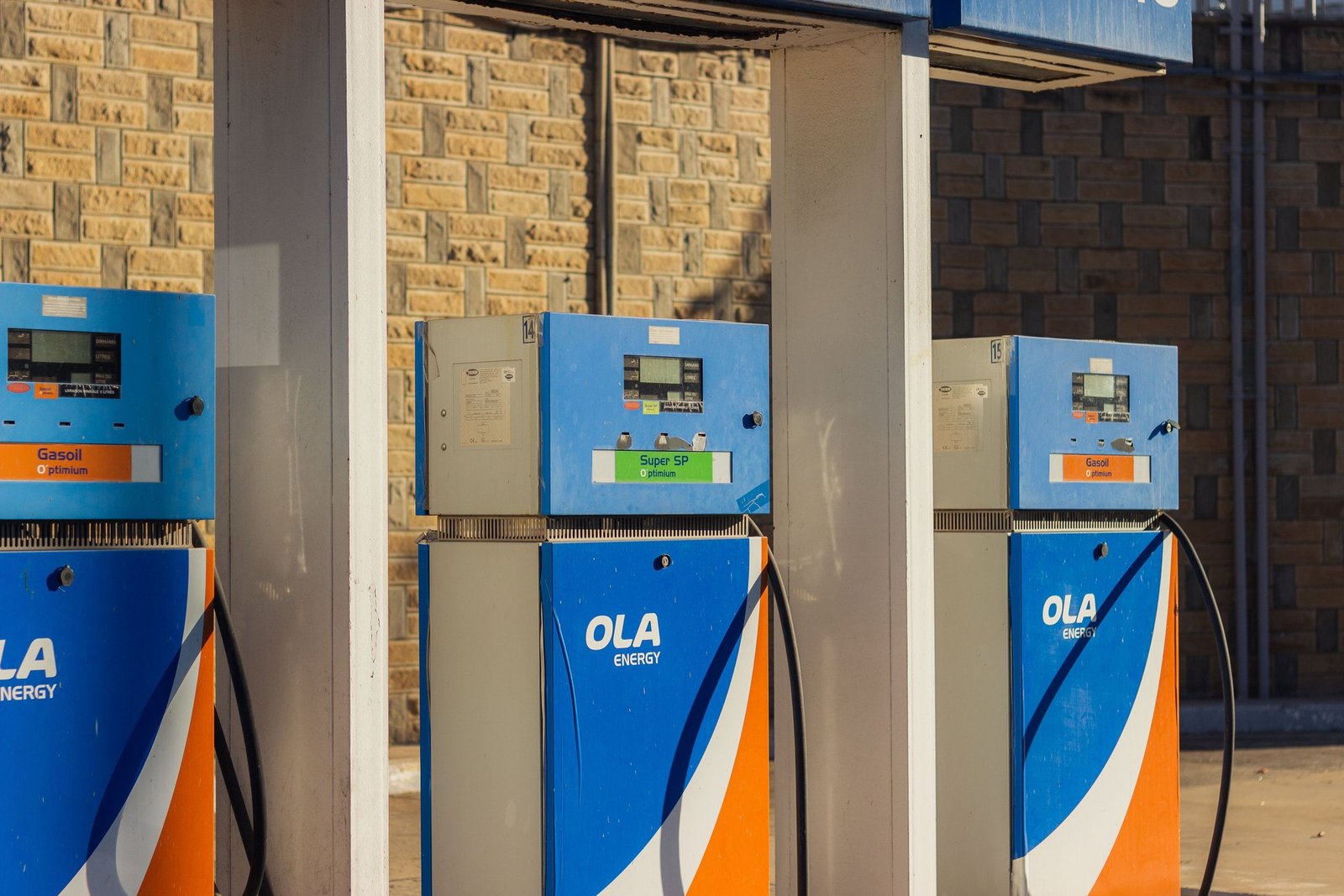
The government has announced a further reduction in fuel prices, marking the fifth consecutive decrease. On Friday, petrol prices were slashed by Rs6.59 per litre, bringing the new retail price to Rs346 per litre. High-speed diesel (HSD) also saw a reduction, with its price falling by Rs4.25, now standing at Rs378 per litre.
This latest pricing update will take effect from November 7 (Saturday) until November 10 (Tuesday), as per a notification issued by the Oil and Gas Regulatory Authority (Ogra). Notably, November 9 is designated as a public holiday.
Taxation and Contributions
The government continues to impose significant taxes on fuel, with petrol being taxed at Rs114 per litre and diesel at Rs100 per litre. In an arrangement revealed earlier this week, oil refineries will bear a cumulative impact of Rs15 billion over the next 30 days, contributing to the petroleum levy. This adjustment is expected to allow for a Rs14.71 reduction in petrol prices at the consumer level.
During a press conference on Tuesday, Petroleum Minister Ali Pervaiz Malik indicated that discussions are underway to implement a similar plan for liquefied petroleum gas (LPG), aiming to provide further relief to consumers.
Recent Developments and Historical Context
In addition, the Jamaat-i-Islami party is scheduled to continue discussions with the government regarding potential relief measures in petroleum pricing, with another round of talks planned for Thursday.
The price of high-speed diesel has significantly decreased from its peak of Rs520.35 recorded on April 3, after experiencing a rise from Rs281 per litre following the outbreak of the US-Iran conflict on February 28. Petrol prices also reached a high of Rs458.41 on April 3, after climbing from Rs266 in early March.
In response to rising fuel prices amid ongoing Middle Eastern tensions, the government has reintroduced a series of austerity measures. These measures include requiring markets to close by 9 PM and reducing fuel allocations for government vehicles by 50% for three months.
Past Measures and Future Outlook
On September 13, Prime Minister Shehbaz Sharif proposed a relief scheme aimed at easing the financial burden on users of motorcycles, autos, and vehicles with engines up to 800cc in light of escalating global oil prices. Earlier, on July 17, the petroleum minister announced a shift to daily fuel price adjustments due to fluctuations in the international market stemming from renewed conflicts between the US and Iran.
Before this adjustment, the government had been announcing weekly fuel price revisions since early March, coupled with conservation measures to address potential disruptions in oil supply. The cabinet and the prime minister have entrusted Ogra with the responsibility of determining daily fuel prices based on international market conditions.
It is important to note that petrol is primarily utilized in private transportation, including small vehicles, rickshaws, and two-wheelers, making price changes particularly impactful for middle and lower-middle-class consumers. Similarly, diesel prices affect a broader segment of the public as diesel is predominantly used in heavy transportation, power generation, and large generator operations. With monthly sales figures ranging from 700,000 to 800,000 tonnes for petrol and HSD, these commodities remain crucial revenue sources for the government, particularly in comparison to kerosene, which has a monthly demand of approximately 10,000 tonnes.
Source: Dawn (English)