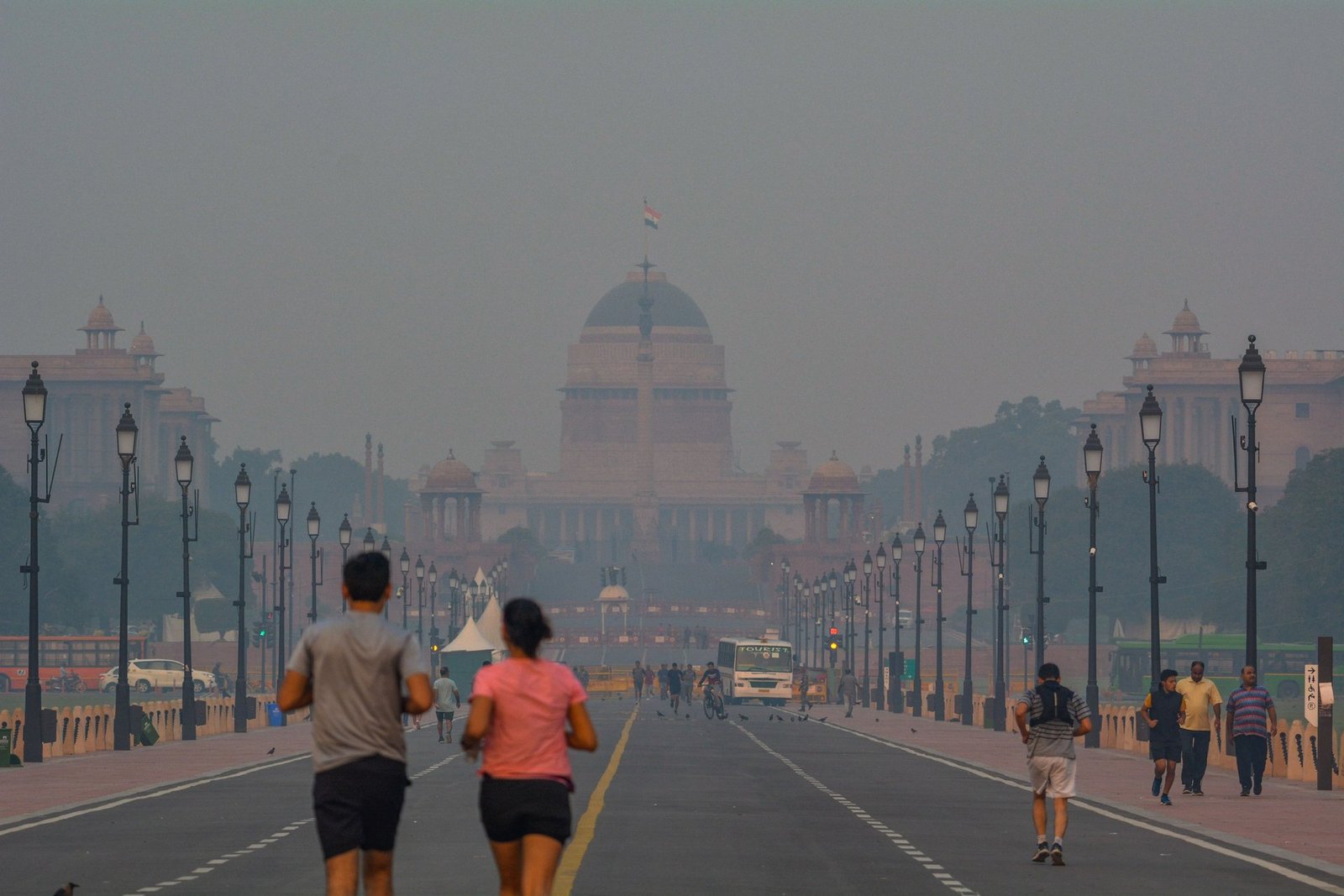
As Delhi grapples with persistent air quality issues, the conversation surrounding effective solutions is gaining momentum. It is widely recognized that the city’s smog crisis is not merely a seasonal inconvenience but a significant environmental and public health challenge. Experts suggest that a fundamental shift in agricultural practices could serve as a crucial step towards achieving cleaner air for the capital.
Understanding the Impact of Agricultural Practices
One of the primary contributors to Delhi’s air pollution is the burning of paddy straw in surrounding regions. This agricultural practice, which many farmers resort to after harvesting, releases vast amounts of smoke and particulate matter into the atmosphere. The resultant haze not only degrades air quality but also poses severe health risks to residents.
If Delhi is to make tangible progress towards improving its air quality, a reduction in the cultivation of paddy in proximity to the city may be necessary. The reliance on paddy farming in nearby states has historically led to annual burning practices, which coincide with the onset of winter and contribute significantly to the infamous smog that engulfs the city.
Ground-Level Solutions Over Satellite Intervention
While discussions about utilizing advanced technology, including satellite monitoring, are ongoing, experts emphasize that such measures alone will not resolve the air quality crisis. Instead, they argue for a focus on practical, on-the-ground interventions. This includes promoting alternative agricultural practices that do not rely on burning crop residue.
Farmers need to be incentivized to adopt more sustainable methods, which could include the introduction of machinery to manage crop residue or the development of markets for paddy straw as a resource rather than waste. By changing the economic framework and providing support, farmers might be encouraged to move away from practices that contribute to air pollution.
Long-Term Strategies for Cleaner Air
Addressing the air quality in Delhi requires a multifaceted approach that extends beyond immediate solutions. Engaging with local farmers to find alternative crops, implementing better waste management practices, and enhancing public transport can collectively contribute to cleaner air.
Moreover, the government must take a proactive stance in formulating policies that not only penalize polluting practices but also reward sustainable agricultural methods. This could include subsidies for farmers who adopt eco-friendly practices or funding for research into innovative agricultural technologies.
Conclusion: A Collaborative Effort Is Essential
Ultimately, the path to cleaner air in Delhi will necessitate a collaborative effort among various stakeholders, including policymakers, farmers, and environmental organizations. While technology can play a significant role in monitoring and assessing air quality, the solutions must be grounded in practical, locally-driven initiatives that tackle the root causes of pollution.
As Delhi continues to face air quality challenges, it is crucial to recognize that effective change will not come from space but from concerted efforts on the ground, aimed at transforming agricultural practices and fostering a healthier environment for all residents.
Source: NDTV India