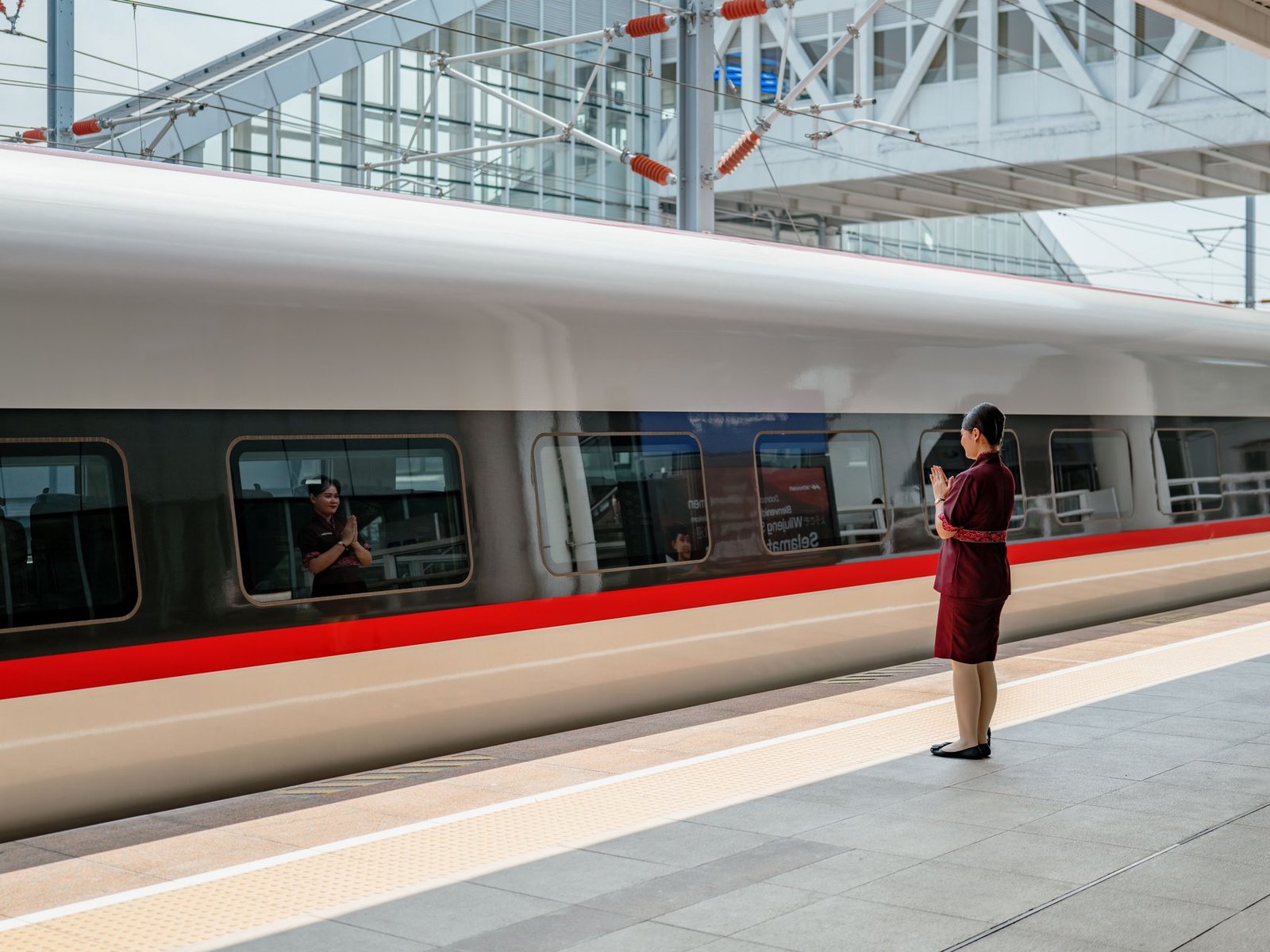
The meeting between US President Donald Trump and Chinese President Xi Jinping highlights the escalating competition in artificial intelligence, a technology both leaders see as critical for future dominance. While Trump openly acknowledges AI as a key battleground, Xi’s approach is more reserved, yet China’s actions indicate a similar perspective.
Competing Visions of AI Leadership
Rebecca Arcesati from the Mercator Institute for China Studies notes that China views AI as a pivotal factor in maximizing its power. The country has prioritized AI development for over a decade, even if Xi doesn’t publicly emphasize this. Conversely, Trump is focused on surpassing China in AI, dismissing potential risks as overstated.
China’s foreign ministry has called for global cooperation in AI governance, warning against narratives of confrontation that could impede progress. This sets the stage for a critical discussion between the two leaders about their AI strategies and their global implications.
The Race for AI Supremacy
The US and China are both at the forefront of AI development, but determining which nation leads depends on the criteria used. American companies like Anthropic, Google, and OpenAI are at the cutting edge of AI research, often outperforming Chinese models.
However, China’s DeepSeek made significant strides, briefly matching top US models in early 2025. The US maintains an edge partly due to substantial investments in AI infrastructure and restrictions on selling advanced microchips to China, which are essential for developing sophisticated models.
China’s Unique Approach
China’s AI industry takes a different route by focusing on open weight models, which are akin to open-source software—modifiable and available to all. This contrasts with the proprietary models favored by US companies.
The rapid release of these models allows China to keep pace with US advancements, with popular models like Moonshot AI’s Kimi K3 gaining traction internationally. China’s strategy emphasizes the broad deployment of AI technology across its economy, potentially providing significant economic and geopolitical leverage.
Safety and Regulation Divergences
Despite their rivalry, the US and China have different approaches to AI safety. The US prioritizes innovation and minimal regulation, with Trump insisting on maintaining America’s lead without stifling AI’s growth. In contrast, China adopts a cautious approach, emphasizing the need to keep AI developments under human control.
China has already introduced guidelines on data usage and algorithms, setting expectations while allowing room for innovation. This approach aims to address potential concerns without hindering technological progress.
Prospects for Cooperation
Although both nations have expressed a desire for international cooperation, how they plan to manage AI’s potential risks remains uncertain. Previous collaborations on existential threats, such as nuclear weapons, were grounded in a mutual understanding of the danger—something not yet established with AI.
US Treasury Secretary Scott Bessent and Chinese Vice Premier He Lifeng have discussed creating a notification mechanism for serious AI incidents, signaling a possible avenue for collaboration. However, Trump’s recent rhetoric has been more confrontational, raising concerns about escalating tensions.