In a significant move aimed at bolstering urban security, Beijing has unveiled new regulations that will prohibit the possession and storage of unmanned aerial vehicles (UAVs) within the city. Announced on Sunday, these stringent measures are set to take effect on November 15.
The decision comes in response to growing concerns over safety and security in one of the world’s most populous cities. Authorities have expressed that the presence of drones could pose potential risks, not only to public safety but also to national security. By enforcing these regulations, Beijing aims to create a safer environment for its residents and visitors alike.
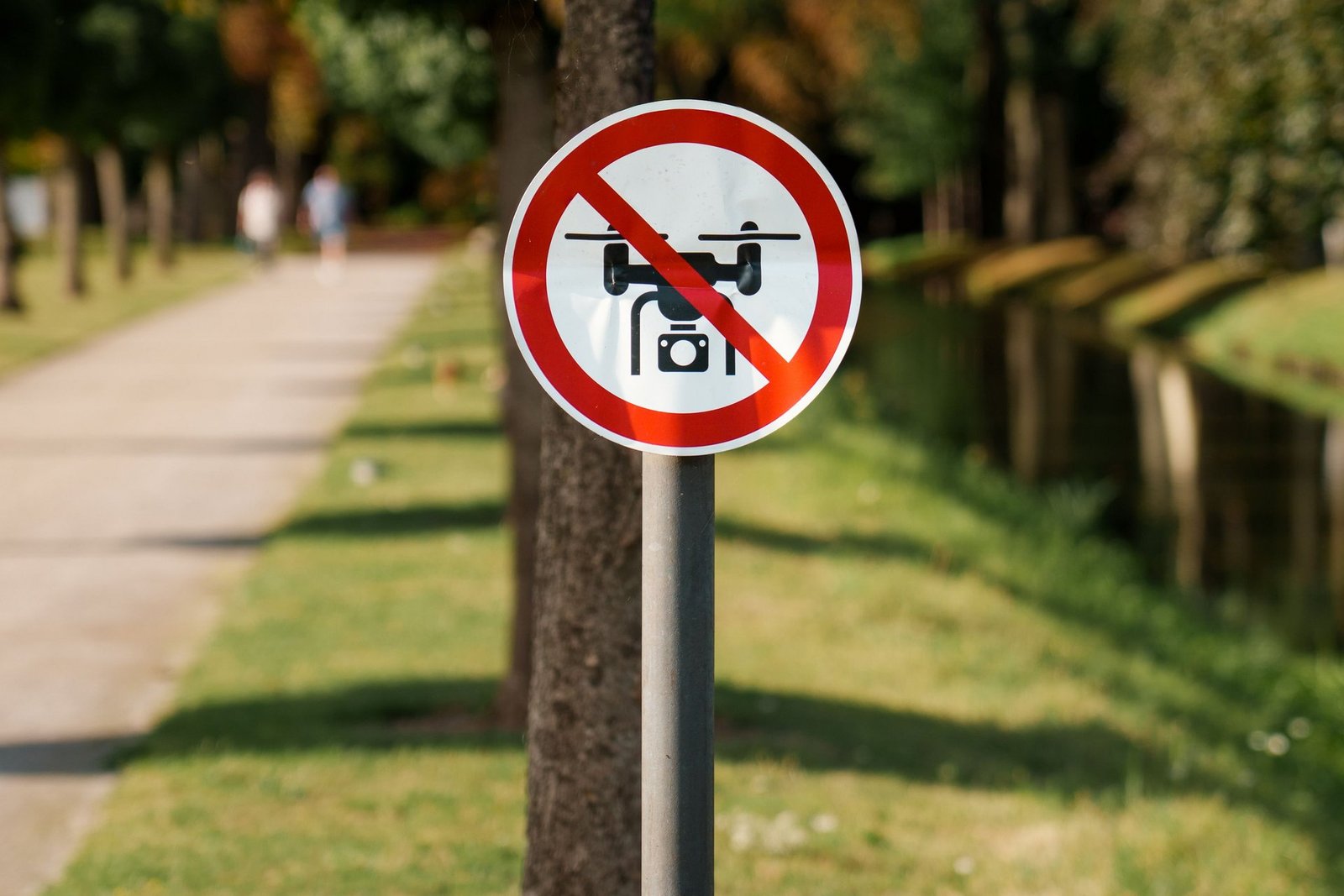
Under the newly established rules, individuals are not allowed to possess or store drones in any form, effectively making it illegal to have UAVs within city limits. Additionally, the regulations extend to banning flights of any drones in the airspace over Beijing. This comprehensive prohibition signifies a robust approach by the local government to mitigate the risks associated with drone operations.
Implications for Drone Enthusiasts and Businesses
The implications of this ban are far-reaching, particularly for drone enthusiasts and businesses that utilize UAVs for various applications such as photography, delivery services, and infrastructure inspections. The regulations will require individuals and companies to adapt quickly, potentially leading to significant disruptions in operations that involve drone technology.
Drone users in Beijing will now need to reevaluate their activities and may be forced to relocate their operations outside the city limits to comply with the new laws. This could lead to a decline in drone-related businesses within the capital, impacting local economies that benefit from the technology.
Context of the Regulations
This decision aligns with a broader trend observed in various jurisdictions worldwide, where authorities are increasingly taking a cautious stance on drone usage. The rise in drone technology has been accompanied by concerns regarding privacy violations, airspace safety, and potential misuse for harmful purposes. By implementing these regulations, Beijing joins a growing list of cities that are prioritizing public safety in their airspace management.
Moreover, the ban reflects the Chinese government’s overarching commitment to maintaining strict control over emerging technologies and their applications within urban environments. As drones become more accessible and popular, the challenge of regulating their use becomes even more pressing for city planners and security agencies.
Next Steps and Future Developments
As the November 15 implementation date approaches, it is expected that local authorities will engage in public outreach to inform residents and businesses about the new regulations. The government may also provide guidance on compliance and the process for any exceptions or specific licenses that might be granted under certain circumstances.
Looking ahead, it will be crucial to monitor how these regulations affect the drone industry in Beijing and whether similar measures will be adopted in other major cities across China. The balance between technological innovation and public safety will continue to be a contentious issue as urban centers grapple with the implications of drone technology.