scientists have solved the mystery of unusually high concentrations of chlorophyll detected more tha

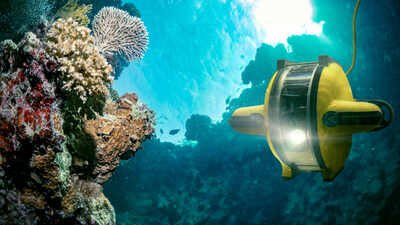
Between 2014 and 2017, underwater robots found surface chlorophyll 1,000 metres deep; scientists have now explained how it arrived

[ad_1] Scientists have solved the mystery of unusually high concentrations of chlorophyll detected more than 1,000 metres beneath the ocean Scientists have solved the mystery of unusually high concentrations of chlorophyll detected more than 1,000 metres beneath the ocean surface by autonomous underwater robots after years of puzzling. The discovery, which took place between 2014…

Read More
new membrane removes more than 9999 of oil from seawater while producing fresh water using sunlight

New membrane removes more than 99.99% of oil from seawater while producing fresh water using sunlight |

[ad_1] As freshwater shortages intensify around the world, scientists are searching for technologies that can do more than simply desalinate seawater. One of the biggest challenges is treating oil-contaminated seawater, where conventional desalination systems often fail because oil clogs membranes, blocks water transport and reduces efficiency. Researchers have now developed a multifunctional Janus hydrogel membrane…

Read More
132918741

Experts used ‘Judas goats’ to hunt down their own kind, eliminating over 140,000 invasive goats in a $10.5 million mission to save the Galapagos’ native wildlife

[ad_1] In a remarkable ecological initiative, over 140,000 invasive goats have been eradicated from three areas of the Galapagos Islands. This operation, costing $10.5 million, aims to rejuvenate the habitat for native wildlife. Using judas goats fitted with transmitters, conservationists pinpointed the remaining invaders. Following their removal, the area’s native plants are thriving once again,…

Read More
how an eel elevator on maine39s penobscot river helped restore millions of fish and brought humpback

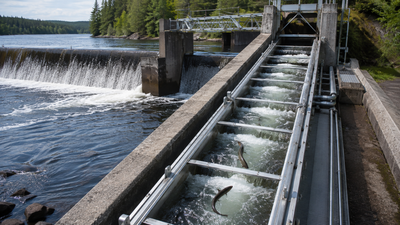
How an eel elevator on Maine’s Penobscot River helped restore millions of fish and brought humpback whales back |

[ad_1] Every spring, millions of migratory fish leave the Atlantic Ocean and swim into freshwater rivers to reproduce, continuing journeys that have existed for thousands of years. On Maine’s Penobscot River, however, hydroelectric dams blocked many of these ancient migrations for more than a century, causing dramatic declines in species such as American shad, river…

Read More
akshat anand

Meet Akshath Anand, the Surrey Grade 9 student who built a wearable device that detects IV leaks before swelling begins; his first national science fair ended with gold

[ad_1] Grade 9 student, Akshat Anand, wins gold for wearable that detects IV leaks early (Photo credit: Surrey Schools) At just 13 or 14 years old, most Grade 9 students are still getting comfortable with science fair pressure. Akshath Anand of Surrey Academy of Innovative Learning did something far bigger: he walked into the Canada-Wide…

Read More
132909806

In 2006, a tiny deep-reef fish was pulled from deep water off South Australia and misidentified; nearly 20 years later, scientists recognised a new species

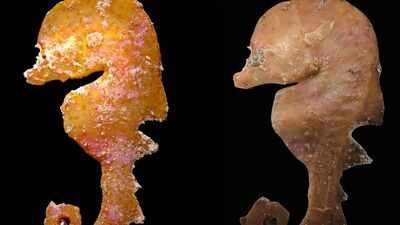
[ad_1] Image Credit: Journal of Lost Species Some discoveries happen the moment a specimen is collected. Others take years. In this case, it took nearly two decades.A tiny deep-reef fish brought up from the waters off South Australia in 2006 spent nearly two decades in a museum collection after being mistaken for a known species….

Read More
132896260

Scientists placed 42 sea sponges in a polluted Spanish port. 455 days later, one species had thrived while four others died |

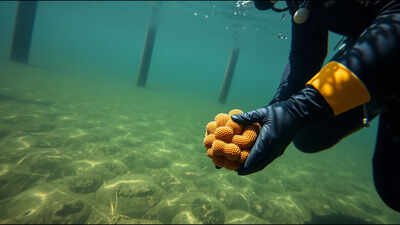
[ad_1] Representative Image of marine life thriving around resilient chicken kidney sponges in polluted waters (AI-generated image) Researchers in Spain spent 455 days tracking how sponges from five species of Mediterranean sea life coped with being moved from clean, natural habitats toward a heavily polluted recreational marina near Girona. The experiment was designed to test…

Read More
132896267

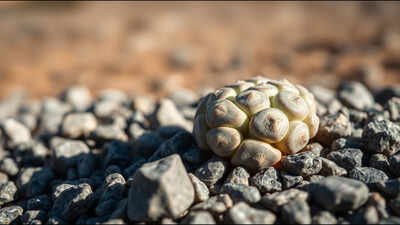
Lithops werneri: The tiny Namibian plant that survives by disguising itself as a pebble. Fewer than 200 now remain in the wild |

[ad_1] Representative Image of Lithops werneri camouflaged among grey stones in Namibia’s Erongo Mountains (AI-generated image) In a small patch of Namibia’s Erongo Mountains, a tiny succulent grows so convincingly disguised as a pebble that most people would walk straight past it without a second glance. This plant, Lithops werneri, survives by mimicking the grey,…

Read More