
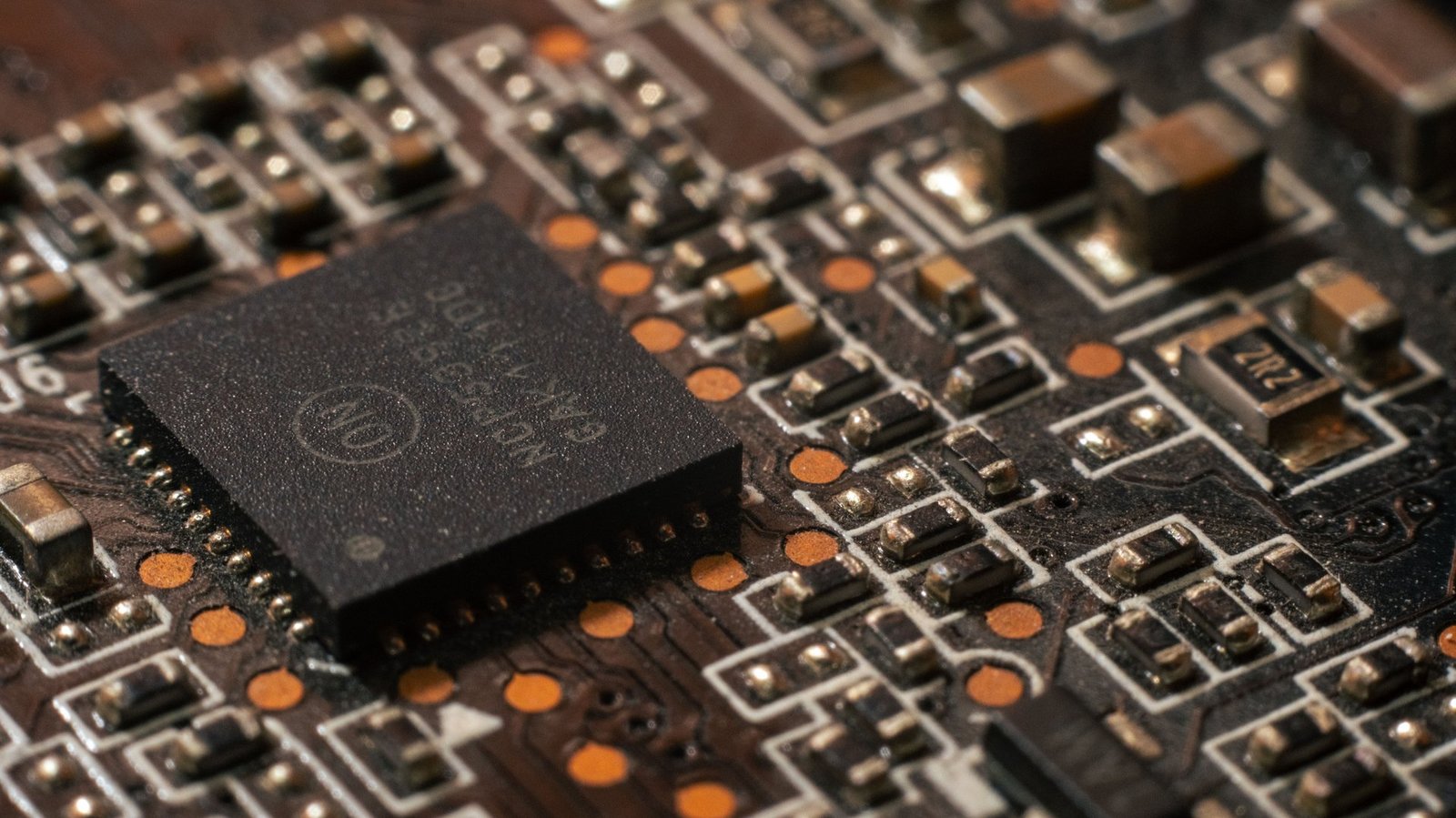
The rapid advancement of artificial intelligence (AI) in potentially curing cancer is being hampered by a shortage of microchips, according to Rene Haas, the CEO of Arm Holdings, the largest technology company based in the United Kingdom. Haas shared his insights during an interview with the BBC, emphasizing AI’s potential to tackle the complexities of cancer treatment that are currently beyond human capability.
AI’s Potential in Cancer Research
Haas expressed confidence that AI will play a crucial role in finding cancer cures within our lifetimes. He explained that while current computer models struggle with the complexity of understanding how DNA markers are affected by cancer, future advancements in AI will likely overcome these challenges. Haas, who previously served on the board of AstraZeneca, highlighted the importance of feeding sophisticated models into computers to enhance their problem-solving abilities.
Echoing Haas’s optimism, Prof. Chris Bakal from the Institute of Cancer Research in London emphasized that the real challenge now lies in the quality of data used to train AI systems. According to Bakal, the future of medical AI will be determined by those who can provide accurate measurements rather than building the largest data centers.
Impact of Chip Shortages on AI Development
Despite the promising potential of AI, Haas noted that the current growth of AI technologies is being slowed by a global chip shortage. This shortage affects the construction of data centers required for AI development. Haas was skeptical about the feasibility of manufacturing chips in the UK, citing the high costs and resource requirements of establishing chip factories.
Haas also addressed concerns about AI-induced job losses, suggesting that while some job displacement might occur, the transformative nature of AI will open up new opportunities and industries. He downplayed fears of a correction in the AI stock market, highlighting the enduring demand for AI technologies.
Arm Holdings’ Role in the AI Sector
Arm Holdings, renowned for its power-efficient chip designs, is at the forefront of the AI revolution, with its technology being used in half of the world’s AI data centers. Haas mentioned the company’s recent success in developing the Arm AGI chip for Meta, which has seen substantial demand since its launch.
While Haas acknowledged the challenges posed by the chip supply constraints, he remained optimistic about Arm’s future, noting its significant presence in Cambridge and its commitment to innovation despite the shift in ownership to Japanese investors and its public offering on New York’s Nasdaq.