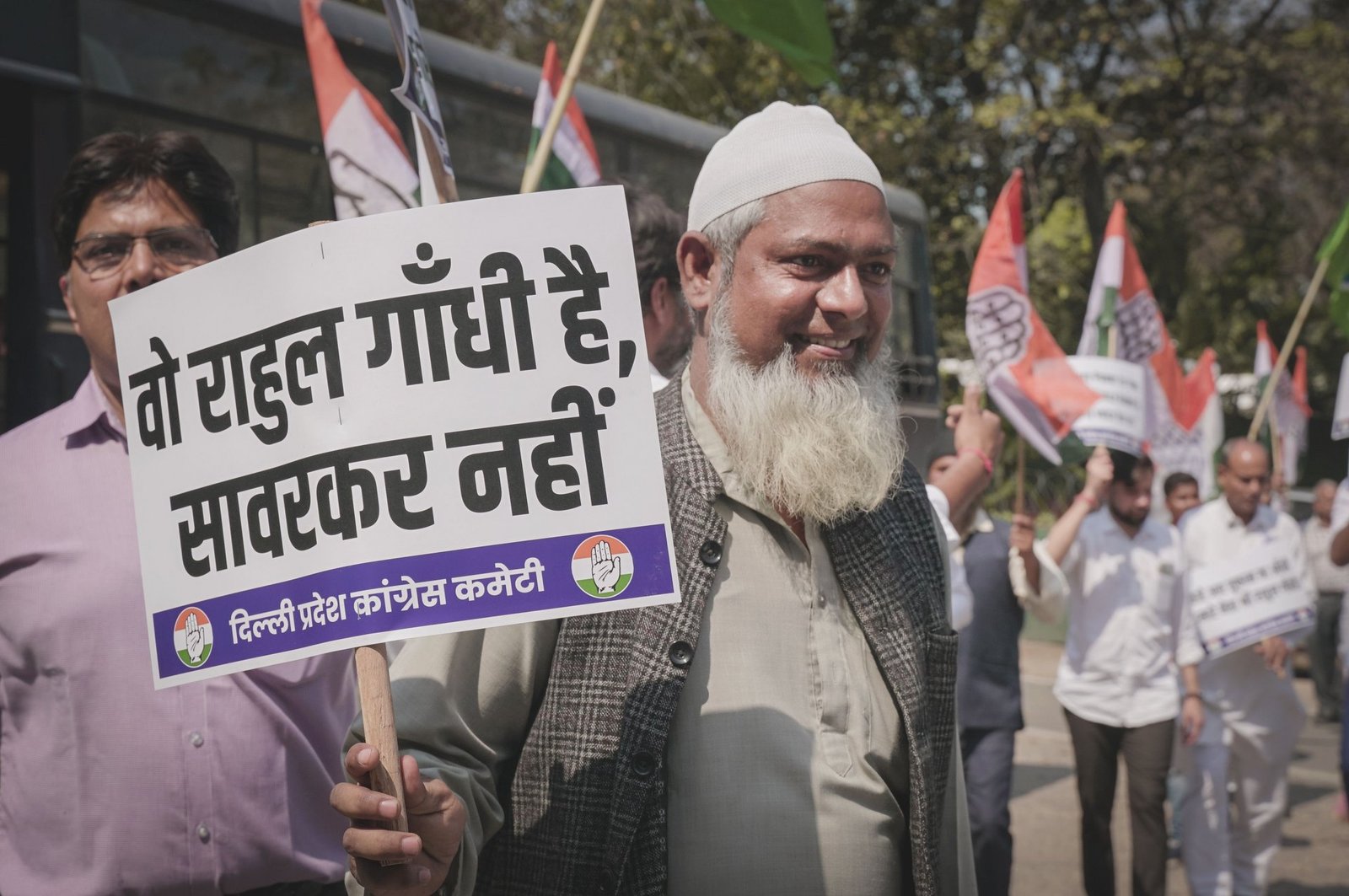
The recent student body elections at Delhi University have resulted in a significant defeat for the Congress party, highlighting internal conflicts and missed opportunities that may have contributed to this outcome.
Background of the Elections
The elections, which took place against a backdrop of heightened political engagement among students, saw various parties vying for influence within the university’s student council. Congress, traditionally a strong contender in these elections, seemed poised for a strong showing, but internal disagreements ultimately undermined their position.
Insiders suggest that two critical decisions—or the lack thereof—played a pivotal role in the party’s disappointing performance. These decisions revolved around candidate selection, which is often a decisive factor in electoral success.
Key Decisions That Affected the Outcome
One of the most significant factors was the party’s failure to officially designate Shokeen as its candidate. Despite internal discussions and debates regarding his potential, Congress leadership hesitated to make a formal announcement. This indecision potentially confused voters and weakened the party’s campaign strategy.
Additionally, the decision to support Vishesh Yadav instead of Gopal Chaudhary further complicated matters. The backing of Yadav over Chaudhary, who had a strong following and reputation among student voters, created a rift within the party’s ranks. Many party members believed that Chaudhary would have been a much more viable option against the opposition.
Implications of the Election Results
The fallout from this election will likely reverberate throughout the Congress party, prompting a necessary reevaluation of their strategy and leadership decisions moving forward. The failure to secure a significant presence in the student body at such a prominent university could signal broader implications for the party’s appeal among younger voters, who are increasingly critical in shaping political landscapes.
As Congress grapples with this setback, the leadership may need to address internal divisions and streamline decision-making processes to prevent similar issues in future elections.
Looking Ahead
In the wake of this electoral defeat, Congress must regroup and strategize for upcoming challenges. Engaging with student leaders, reassessing candidate selections, and fostering unity within the party will be vital steps in reclaiming influence in student politics.
The upcoming months will be crucial for Congress as they seek to restore their standing in Delhi University and beyond. The youth vote remains a powerful demographic, and Congress’s ability to connect with this group will be essential for their long-term political viability.