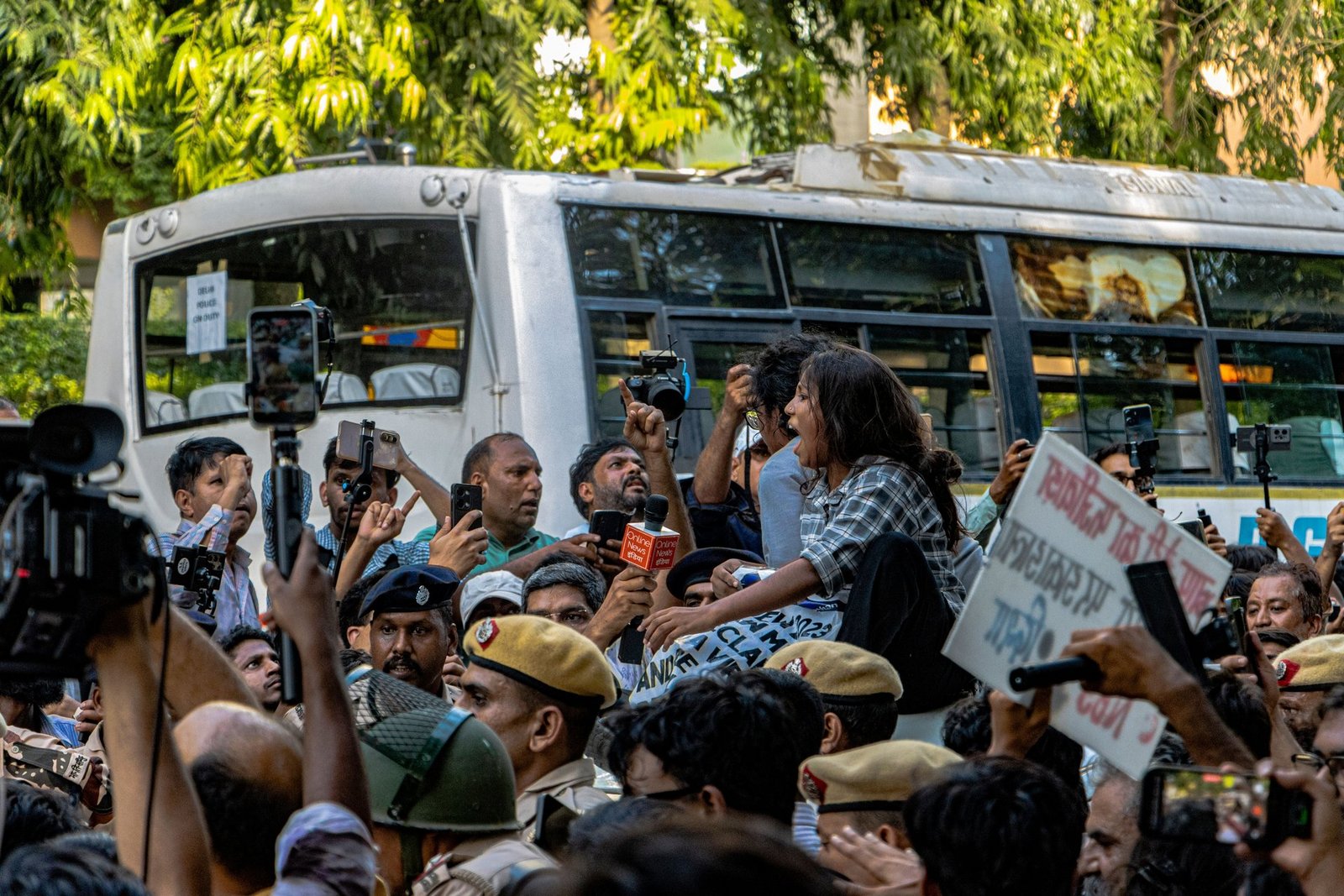
In a significant legal decision, Neha Bora, the leader of the All India Students’ Association (AISA), faced a setback as a court rejected her challenge against a police directive requiring her to sign a peace bond. This ruling came amid her involvement in a series of protests that have garnered considerable attention in recent weeks.
Background of the Protests
The protests, which have swept through various regions, have been marked by demands for greater accountability and transparency from authorities. Neha Bora has emerged as a prominent figure in this movement, vocalizing the frustrations of many students and activists who feel marginalized in the current socio-political climate.
As the chief of AISA, Bora’s participation has been pivotal in mobilizing support and galvanizing public opinion around the issues at stake. Her leadership role has placed her under scrutiny, prompting the authorities to issue a notice aimed at preventing any escalation of unrest.
Legal Proceedings and Court Decision
The legal challenge initiated by Bora sought to contest the validity of the peace bond notice, which was served to her by the police through a special executive magistrate. The peace bond is typically a legal instrument aimed at preventing individuals from engaging in actions that could lead to disturbances of the peace.
During the proceedings, Bora’s legal team argued that the notice infringed upon her rights to free speech and assembly, essential tenets of democratic engagement. However, the court ultimately upheld the police’s request, indicating that the bond was a necessary measure to maintain public order amid the ongoing protests.
Implications of the Ruling
This court ruling may have broader implications for activists and student leaders who participate in demonstrations. The requirement to sign a peace bond can be seen as a deterrent for individuals looking to voice their dissent publicly. As protests continue, the sentiment among activists may shift towards viewing such legal measures as attempts to suppress free expression.
Neha Bora’s ongoing involvement in activism suggests that she may continue to challenge such legal constraints, advocating for the rights of students and marginalized groups. This case highlights the ongoing tension between civil liberties and state interests, especially in contexts where public demonstrations are prevalent.
Looking Ahead
As the situation evolves, it remains to be seen how Bora and her supporters will respond to this legal setback. The outcome of this case may influence future protests and the strategies employed by student organizations like AISA. Should Bora choose to appeal the decision or seek alternative legal avenues, it could reignite public discourse surrounding the rights of activists in India.
This incident underscores the challenges faced by those advocating for change in a climate where legal and administrative obstacles are increasingly common. With public sentiment remaining a critical factor, the movements led by figures like Neha Bora are likely to continue, even in the face of legal challenges.
Source: NDTV India