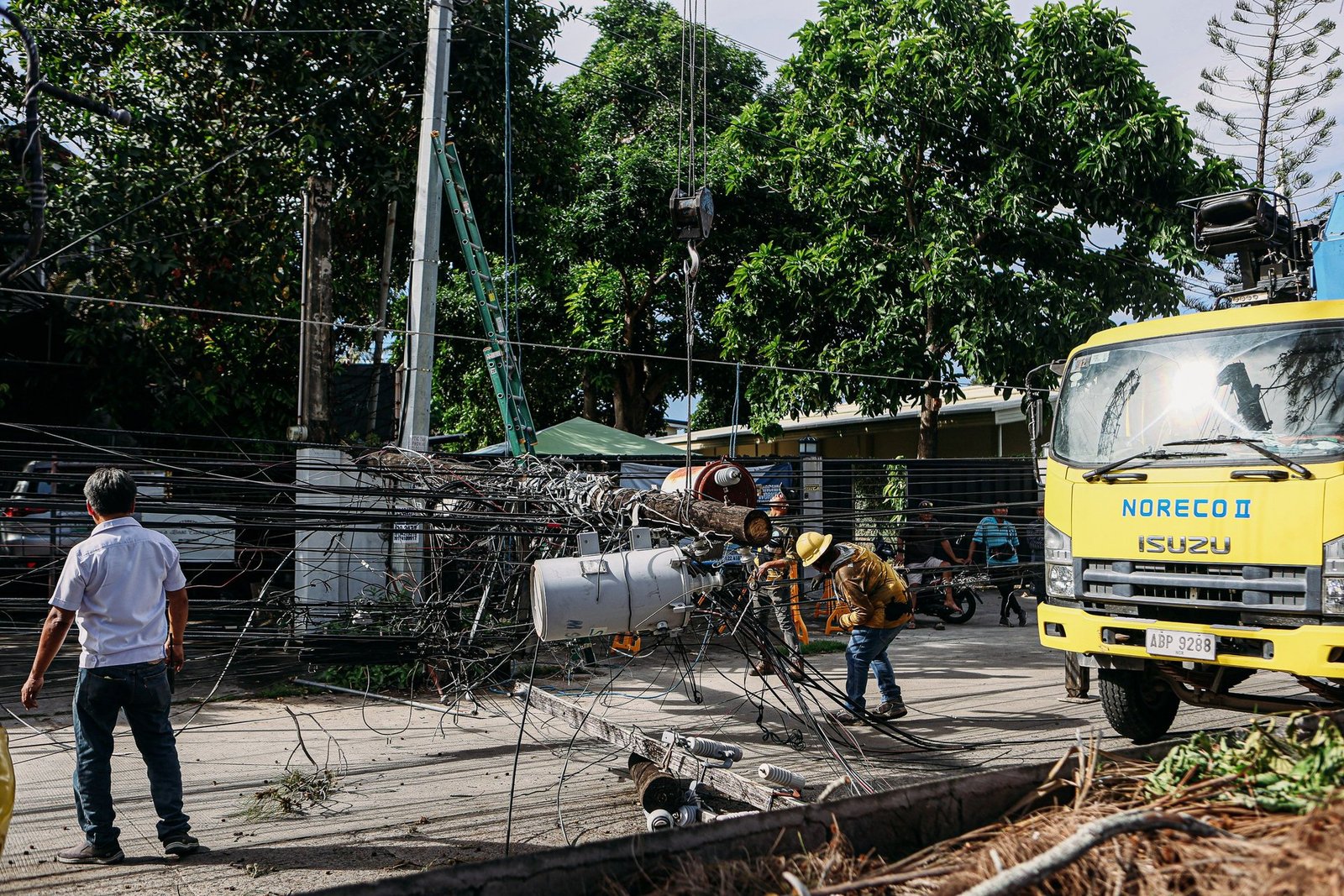
On Friday, Cuba experienced another significant power outage, leaving millions of residents without electricity. The nation’s energy ministry reported a “total disconnection” of the entire electrical grid, leading to a widespread blackout across the country.
By late evening, some essential areas, including those near hospitals and water pumping facilities in Havana, had their power restored, according to the grid operator, Unión Eléctrica (UNE). This incident marks at least the sixth such blackout, either partial or complete, to occur in Cuba this year, underlining the vulnerabilities of its aging power infrastructure and ongoing fuel shortages exacerbated by U.S. sanctions.
The outage, which began just before 2:00 PM local time (18:00 GMT), was attributed to a transmission fault and adverse weather conditions impacting central Cuba. UNE’s national load dispatch director, Felix Estrada, indicated that efforts to restore electricity gradually were initiated, with the restoration process continuing into Saturday.
Impacts on Daily Life
Cuba’s heavy reliance on imported fuel has intensified the effects of the U.S. sanctions and an oil blockade that has been in place since the beginning of the year. The scarcity of fuel has led to a shortage of essential goods, including food and medicines, severely impacting the functionality of hospitals and leading to school and government office closures.
Residents are expressing frustration over the frequent outages. Frank Lorenzo, a Havana local, noted, “It’s becoming a habit; it used to happen less often, maybe once a month. Just yesterday, we had no power for 24 hours, then it was restored for just an hour before it went off again.”
Lidia Fernandez, a schoolteacher, lamented, “It’s one thing after another: no water, no gas for cooking, no electricity. Honestly, I don’t know how we haven’t gone crazy.” Meanwhile, 78-year-old Francisco Rodriguez shared that his home had already been without power for 28 hours and feared the situation might continue for days.
Growing Discontent and Protests
The recurrent blackouts have led to rare public protests in Cuba, where unauthorized gatherings are illegal. Those who choose to protest risk imprisonment. The Cuban government has attributed its fuel crisis to the sanctions imposed by the Trump administration, which have intensified over the years, including a recent round announced in August.
Historically, Venezuela provided Cuba with nearly 35,000 barrels of oil daily, covering about half of its oil requirements. However, this supply has dwindled after the U.S. imposed sanctions on Venezuela, affecting its ability to export oil. The U.S. government has threatened to impose tariffs on nations that ship oil to Cuba, leading to several shipments being intercepted by American authorities.
In contrast, Washington attributes Cuba’s energy woes to internal mismanagement and has characterized the situation as a “national security threat,” with President Trump previously discussing efforts to change the Cuban government, including suggestions of a “friendly takeover” earlier this year.