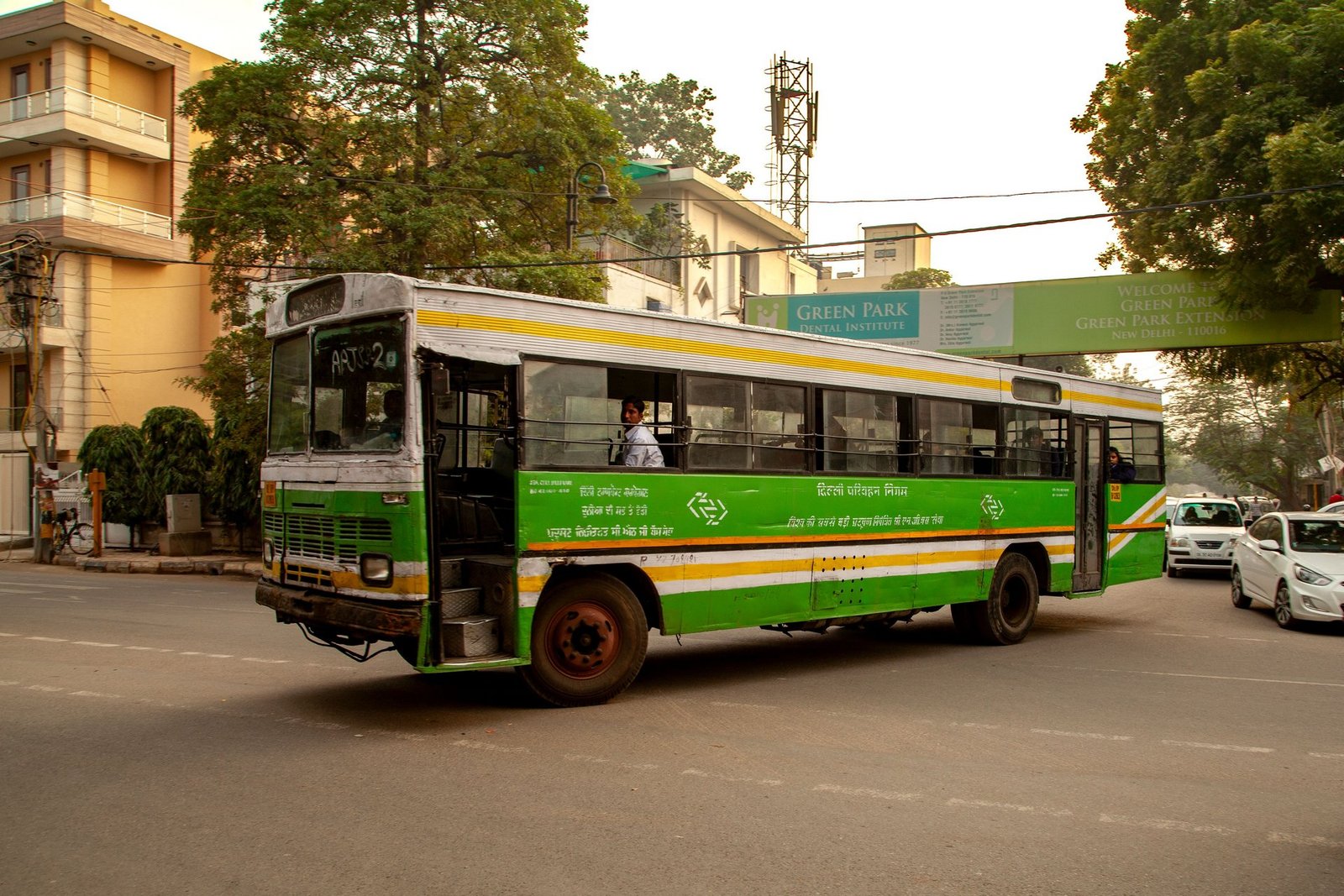
Starting November 1, 2023, a significant restriction will come into effect in the Indian capital, Delhi, impacting how vehicles operate within the city limits. This measure specifically targets petrol and diesel vehicles that have been registered outside of Delhi and do not comply with the Bharat Stage-VI (BS-VI) emission standards. The enforcement of these rules is set to last until January 31, 2027, raising concerns about its implications for various events, including political rallies.
Authorities have made it clear that there will be no exceptions to this rule. Vehicles that fail to meet the stringent BS-VI emission standards will be completely barred from entering the city. This move is part of a broader strategy to combat pollution in one of the most polluted cities in the world.
Impact on Political Activities
The timing of this restriction coincides with a planned rally by the Congress party on November 1. With large numbers of attendees expected, the inability of many participants to bring their vehicles into the city poses a logistical challenge for the party. Public transport alternatives may be overwhelmed, and organizers will need to devise new strategies to ensure that supporters can attend.
Political analysts suggest that the implementation of such vehicle restrictions during key events could influence voter sentiment. The Congress party will need to navigate these new challenges effectively to maintain momentum in their campaign efforts.
Background on Vehicle Emission Standards in India
The Bharat Stage emission standards are a series of regulations instituted by the Government of India to control the output of air pollutants from internal combustion engines. The BS-VI standard, which is now in effect, is among the strictest in the world, aimed at significantly reducing harmful emissions from vehicles. The introduction of these regulations reflects Delhi’s urgent need to address air quality issues, which have been a persistent problem affecting public health.
By restricting the entry of older, more polluting vehicles, the government hopes to achieve cleaner air and improved health outcomes for residents. However, these measures have sparked discussions about their practicality and fairness, particularly concerning their impact on individuals and organizations that rely on vehicular access.
Looking Ahead: What Comes Next?
As the implementation date approaches, stakeholders, including political parties, transport authorities, and citizens, will be closely monitoring the situation. The Congress party will likely seek alternative arrangements to facilitate transport for rally attendees while advocating for potential modifications or exemptions to the restrictions.
Meanwhile, the government will continue to promote awareness regarding the importance of adhering to emission standards and the broader implications for public health and the environment. The intersection of environmental policy and political activities will remain a focal point in the months leading up to the 2024 elections, as parties navigate the evolving landscape of regulations and public sentiment.
Source: NDTV India