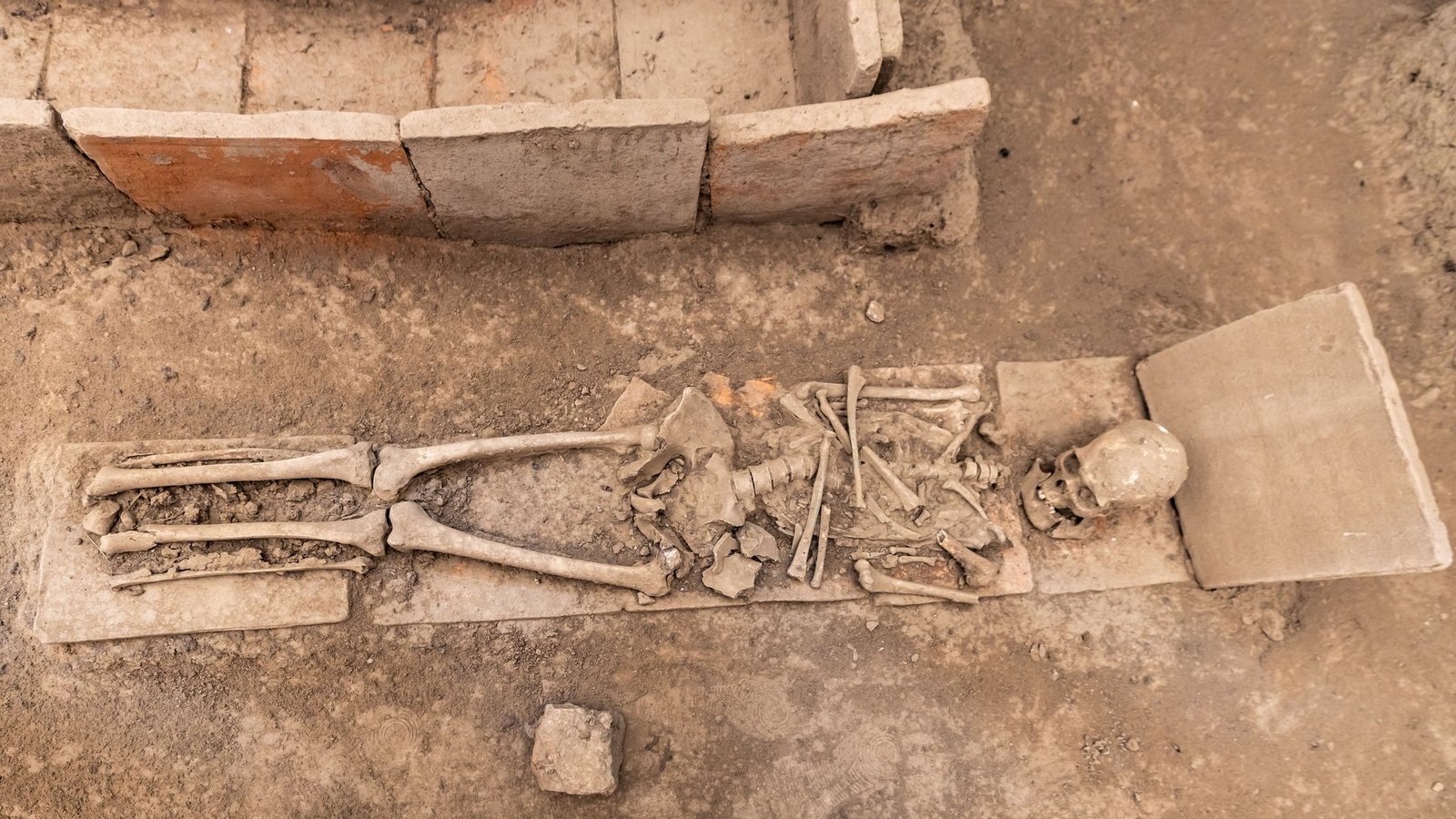
In February, workers in northern Sri Lanka stumbled upon a grim discovery while expanding a cremation ground in Chemmani, Jaffna. Unbeknownst to them, they had uncovered a mass grave containing the skeletal remains of 572 individuals, including children and infants. This site, now considered the largest mass grave found in Sri Lanka, has reignited painful memories of the nation’s civil war and raised questions from families seeking answers about their missing loved ones.
The Path to Discovery
The accidental discovery led to an archaeological investigation that concluded its third phase by August. Among the unearthed remains were personal artifacts such as bangles, a school bag, and a milk bottle. These findings suggest a link to civilians who disappeared during the civil war, a theory supported by testimonies from a soldier convicted of war crimes, who had previously mentioned a mass grave in the area.
For people like Jeyaruby Jeyabalan, whose father vanished during the war, the excavation brings a glimmer of hope for closure. Many Tamil families suspect the grave holds victims of extrajudicial killings conducted during the conflict, and they are demanding a thorough investigation and justice for the disappeared.
Historical Context and Past Investigations
The Sri Lankan civil war, which lasted from 1983 to 2009, was a brutal conflict that left deep scars on the nation. The Tamil Tigers fought for independence in the north-east, citing discrimination by the Sinhalese-led government. The war claimed approximately 100,000 lives and left around 23,000 people missing, predominantly Tamils.
In the past, allegations of atrocities by both the Sri Lankan security forces and the Tamil Tigers have surfaced. The Chemmani area, once a high-security zone, was notorious for disappearances during the war. Despite previous excavations in 1999, which uncovered human remains, there was little judicial action, leaving many families frustrated and without answers.
Calls for Justice and International Involvement
The recent discovery has intensified calls for accountability and justice. Human rights groups and victims’ families are urging for an international investigation, fearing that domestic efforts may falter as they have in the past. The Sri Lankan government, led by President Anura Kumara Dissanayake, has pledged cooperation with the ongoing investigation but remains opposed to international intervention.
Families of the disappeared, like Suseela, who lost her son in 2007, continue to hope for closure. Despite the establishment of the Office of the Missing Persons in 2018, progress has been slow, leading to mounting criticism from international human rights organizations.
Looking Forward
As the investigation at Chemmani continues, the Sri Lankan government faces significant pressure to deliver justice and transparency. The outcome of this inquiry could set a precedent for addressing the unresolved disappearances from the civil war. For families who have waited decades for answers, the hope is that this investigation will finally bring the truth to light.