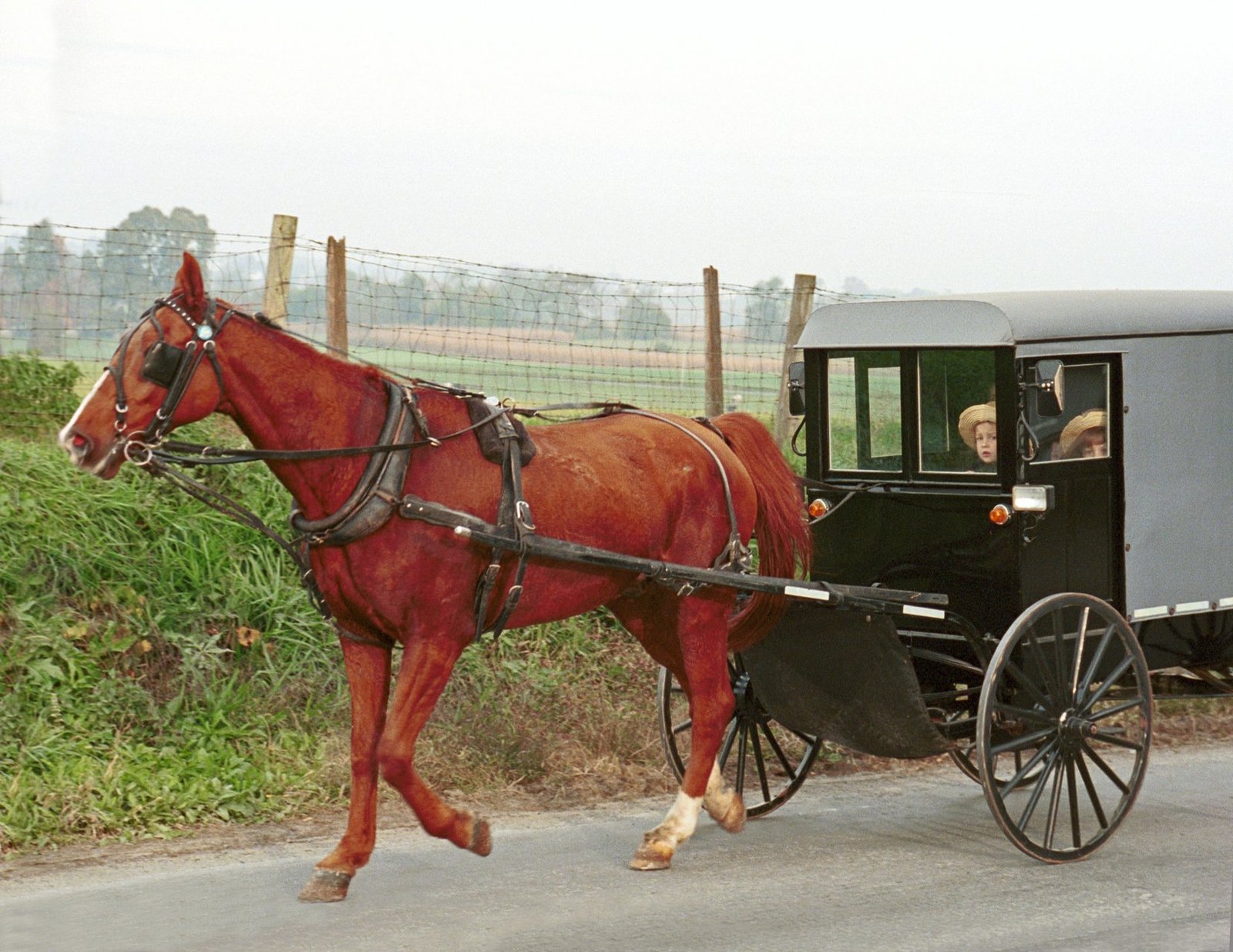
In the heart of Pennsylvania’s Amish country, a concerted effort is underway to halt a severe measles outbreak. Nurse Dale Weiser has embarked on a mission, making frequent trips to Amish households to provide vaccinations directly at their doorsteps. As the clinical supervisor for the Chester County Health Department, Weiser covers a significant distance to reach these rural areas, aiming to vaccinate families who have limited healthcare access.
Addressing Vaccine Hesitancy
Weiser’s approach involves respectful and non-intrusive interactions, often administering vaccines around kitchen tables. Many Amish individuals lack health insurance and have minimal contact with the healthcare system, leading to a lower rate of immunization. By engaging in open conversations and answering questions, Weiser aims to build trust and encourage vaccinations.
This initiative is part of a broader strategy by county and state health departments to boost immunization rates, particularly in communities like the Amish, who generally avoid modern medical practices. Since the outbreak’s onset in April, nearly 4,300 measles, mumps, and rubella (MMR) vaccines have been administered at temporary clinics near the outbreak’s epicenter.
Community Concerns and Challenges
The outbreak has resulted in four deaths, marking the deadliest measles situation in the U.S. since 1992. This has heightened concerns within the Amish community, where traditional modes of communication make outreach challenging. The community’s close-knit nature means the virus spreads rapidly among unvaccinated members.
Experts note that the reluctance to vaccinate isn’t primarily due to strong opposition but rather due to logistical challenges and cultural differences. With an estimated 90,000 Amish residents in Pennsylvania, only a fraction are vaccinated, partly because of their limited interaction with the medical system.
On-the-Ground Efforts
Chester County’s health officials have swiftly responded to the outbreak, employing strategies similar to those used during the COVID-19 pandemic. This includes door-to-door outreach to inform residents about the outbreak and offer vaccinations in private settings. Since the outbreak began, the county has administered 538 MMR vaccines, with 340 taking place in private homes.
This direct approach has been crucial in dispelling misinformation and fostering trust within the community. Despite the prevalence of vaccine misinformation, many Amish families are reconsidering their stance as they witness the outbreak’s impact.
Political and Social Implications
The outbreak has also sparked political debate, with tensions arising between state officials and vaccine-skeptic leaders. Disputes over the cause of deaths and vaccine safety have surfaced, adding complexity to the health crisis. Public health experts express concern over misinformation and its potential to worsen the outbreak.
The ongoing situation requires sustained efforts to manage community transmission, with experts predicting a long-term battle against the spread of the virus. As the school year approaches, the risk of further transmission looms large, necessitating continued vigilance and outreach.