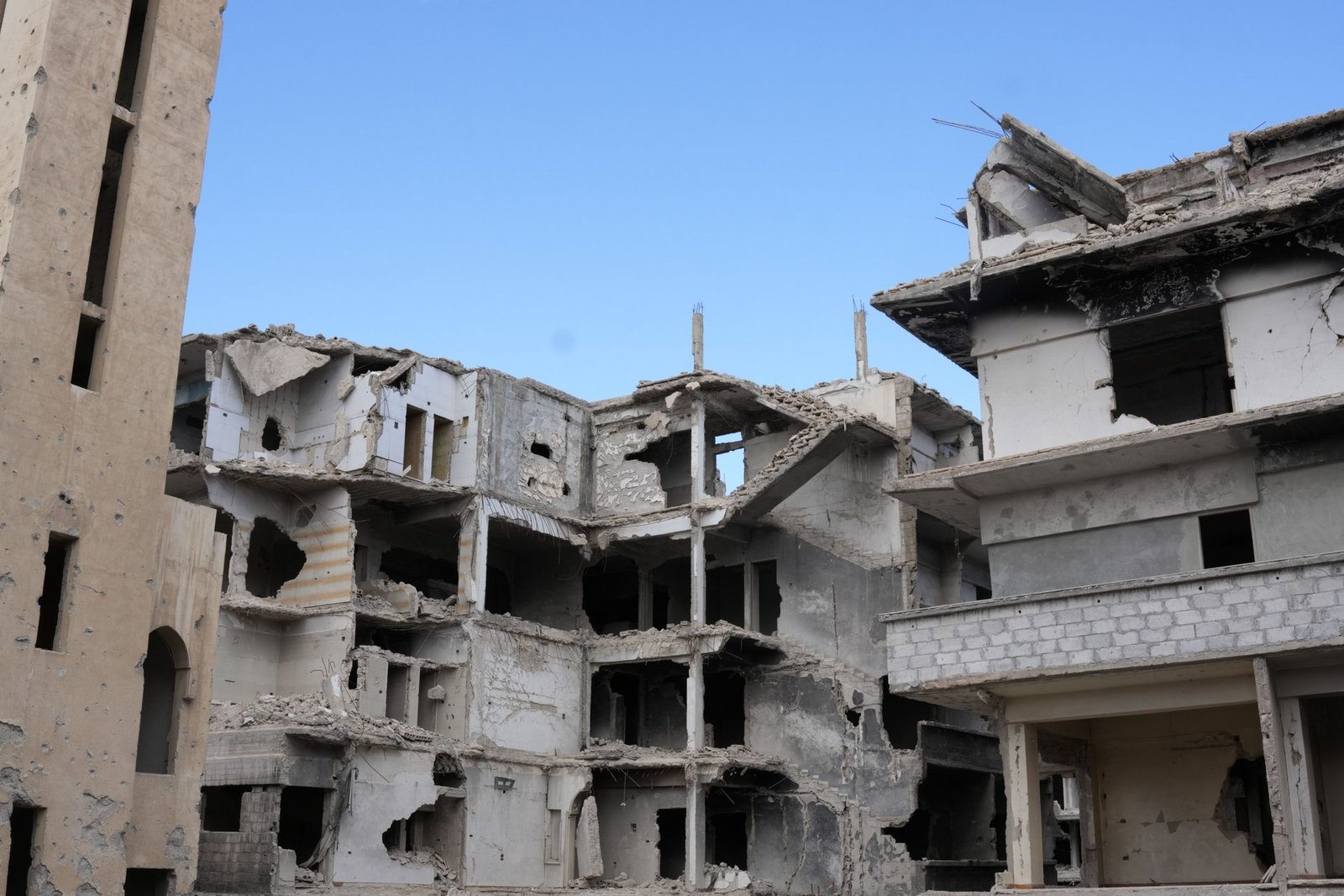
The ongoing conflict in Yemen has seen a significant upsurge in hostilities, particularly with the Houthis launching multiple attacks on Saudi Arabia’s capital, Riyadh. According to reports from the Saudi-led coalition, the Houthis have targeted Riyadh Airport approximately 20 times during the current month alone, marking a notable increase in aggressive actions against key Saudi installations.
These attacks have predominantly involved the use of ballistic missiles and drones, indicating a tactical shift by the Houthi forces. The escalation follows the Saudi government’s continued support for Yemeni government forces engaged in the civil war, which has been reignited in recent weeks due to various geopolitical tensions.
The coalition’s recent statement emphasized the growing threat posed to civilian infrastructure within Saudi Arabia, particularly as the conflict intensifies. This situation raises significant concerns regarding the safety of residents and the stability of the region, as the Houthis seem determined to retaliate against what they perceive as foreign interference in Yemen’s internal affairs.
Background of the Conflict
The civil war in Yemen, which began in 2014, has involved various factions, with the Houthis, a group aligned with Iran, clashing with the internationally recognized government backed by Saudi Arabia. The conflict has resulted in a humanitarian crisis, with millions of Yemenis facing food insecurity and lack of basic services.
The Houthis’ recent actions highlight their capacity to strike deep into Saudi territory, which could potentially alter the dynamics of the war and lead to further military responses from the coalition. As the situation develops, both sides appear to be preparing for an extended engagement, with the Houthis vowing to continue their offensive.
Implications for Regional Stability
The increased frequency of Houthi attacks on vital Saudi infrastructure raises serious implications for regional stability. As tensions mount, there is a risk of further escalation that could draw in other regional players. The coalition’s response to these incursions could lead to a cycle of retaliation, compounding the ongoing humanitarian crisis in Yemen.
Analysts warn that if the situation continues to deteriorate, it could destabilize not just Yemen but also the surrounding regions, affecting trade routes and impacting global oil supplies, given Saudi Arabia’s prominent position in the oil market.
In light of these developments, international observers are calling for renewed diplomatic efforts to address the underlying issues fueling the conflict. Without a concerted and effective approach to peace negotiations, the cycle of violence is likely to persist, with both sides suffering significant losses.
Source: NDTV India