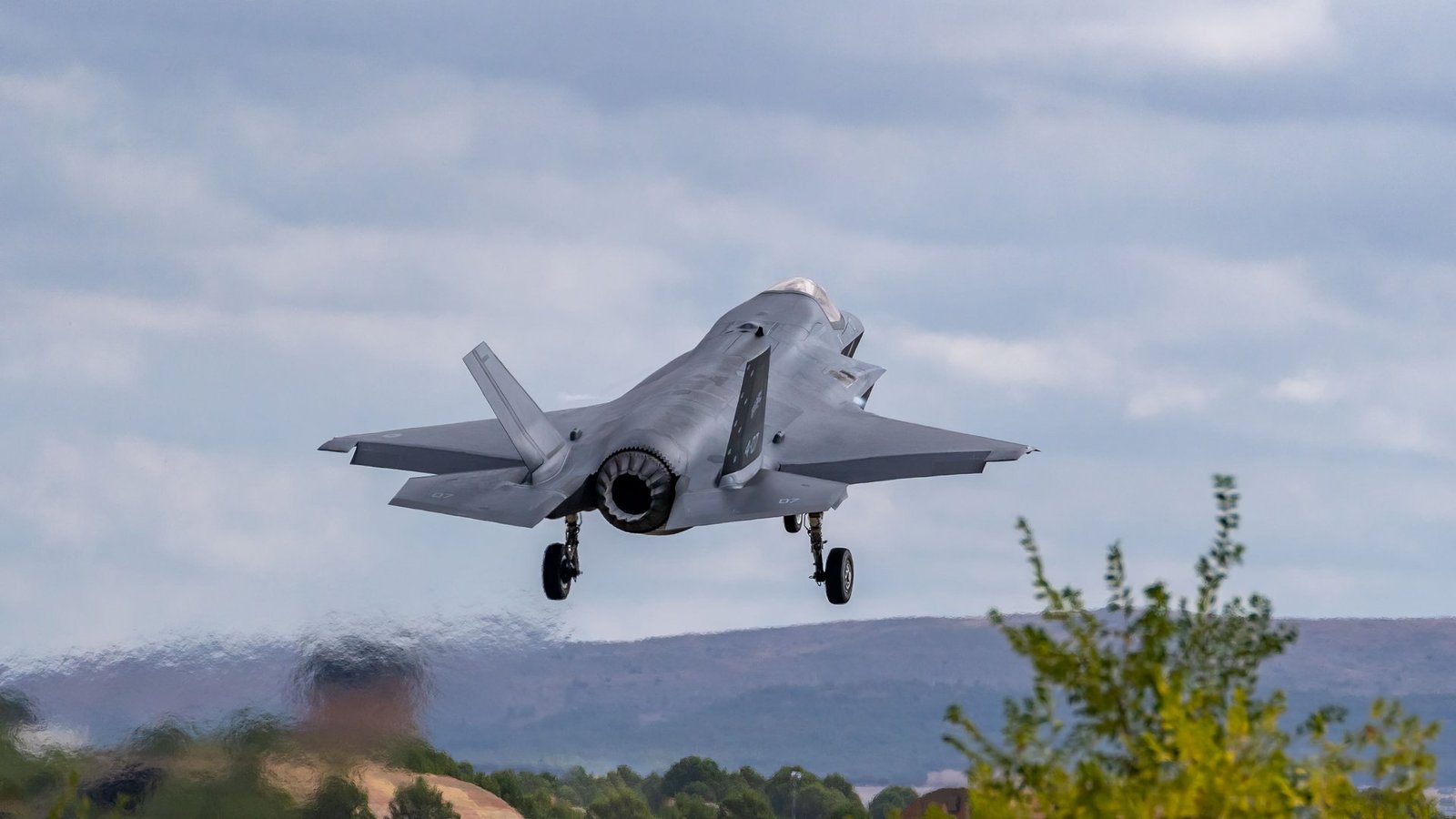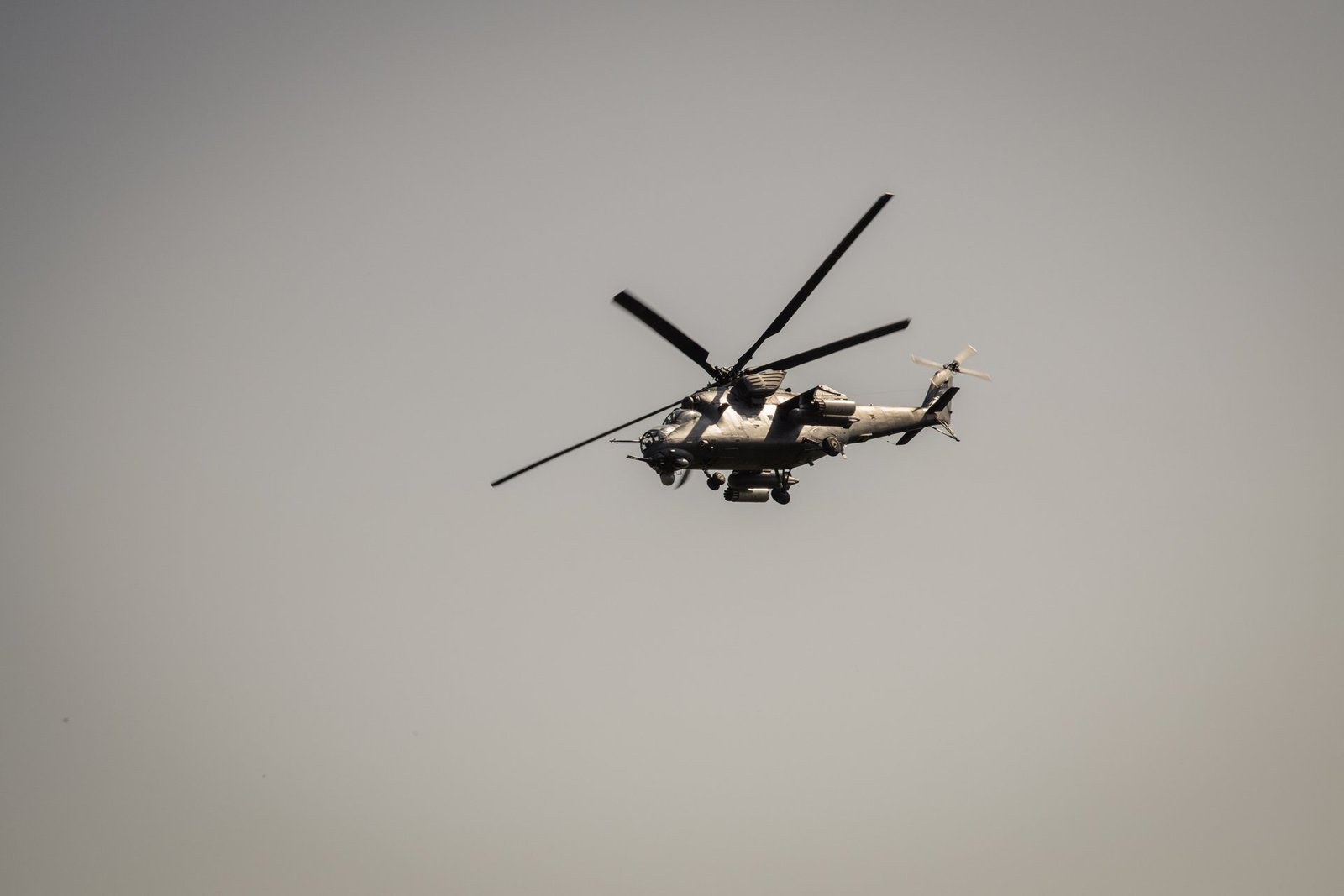
On Saturday, the Houthi rebels from Yemen announced their involvement in a series of drone and missile strikes targeting Riyadh, the capital of Saudi Arabia, and vital energy infrastructure along the Red Sea coast. Eyewitnesses reported observing thick black smoke emanating from what seemed to be fuel storage facilities close to the international airport in Riyadh, shortly after air raid warnings were disseminated.
Escalation of Conflict
This marks the first occasion in recent times that residents of Riyadh received alerts advising them to remain indoors, highlighting a significant escalation in hostilities with the Houthis. Despite the severity of the incident, Saudi authorities have yet to release an official statement regarding the attacks.
In a message broadcast online, Houthi military spokesperson Yahya al-Sarea detailed that the offensive included the deployment of numerous ballistic and cruise missiles, as well as drones, aimed at “sensitive sites” in Riyadh and facilities of the state oil giant Aramco in Yanbu.
Al-Sarea justified the attacks as retaliatory measures against Saudi Arabia’s “criminal attempts” targeting Yemen’s capital, Sanaa. He further accused Saudi forces of conducting 300 airstrikes across Yemen within the past week.
Rising Tensions and Their Impact
The ongoing civil war in Yemen pits the Houthi movement against the internationally recognized Yemeni government, which receives backing from Saudi Arabia. The Houthis have launched several attacks inside Saudi territory recently, including claiming the downing of a Saudi fighter jet over Yemen earlier this week.
According to an unverified report by AFP, citing military sources from both factions, the conflict in Yemen resulted in 48 fatalities on Saturday. The Houthis reportedly lost 31 fighters, while 17 soldiers from the government side were killed.
Amid the turmoil, the International Organization for Migration reported that over 104,796 individuals have been displaced due to the recent surge in violence.
Consequences for Saudi Infrastructure
Saturday also witnessed reports of apparent explosions in Riyadh, causing significant disruptions at King Khalid International Airport. The flight tracking service FlightRadar24 noted delays and cancellations.
An AFP journalist on the ground described firefighters battling a blaze at an Aramco fuel tank. Overnight, the Saudi Civil Defence issued emergency alerts to residents, only lifting them on Saturday morning. Residents recounted hearing explosions and feeling the tremors in their homes.
The Houthis recently secured control over the strategic port city of Mokha and Perim Island, critical points along a major shipping route crucial for Gulf oil exports to Asia and Europe. They claim this naval blockade is in response to a Saudi blockade on ports and airports in northern Yemen.
Global Oil Market Uncertainty
As tensions rise, the global oil market faces uncertainty. Investment bank JP Morgan issued a note to investors acknowledging the difficulty in predicting the impact of the conflict on oil prices, stating, “we simply don’t know how to model the endgame.”