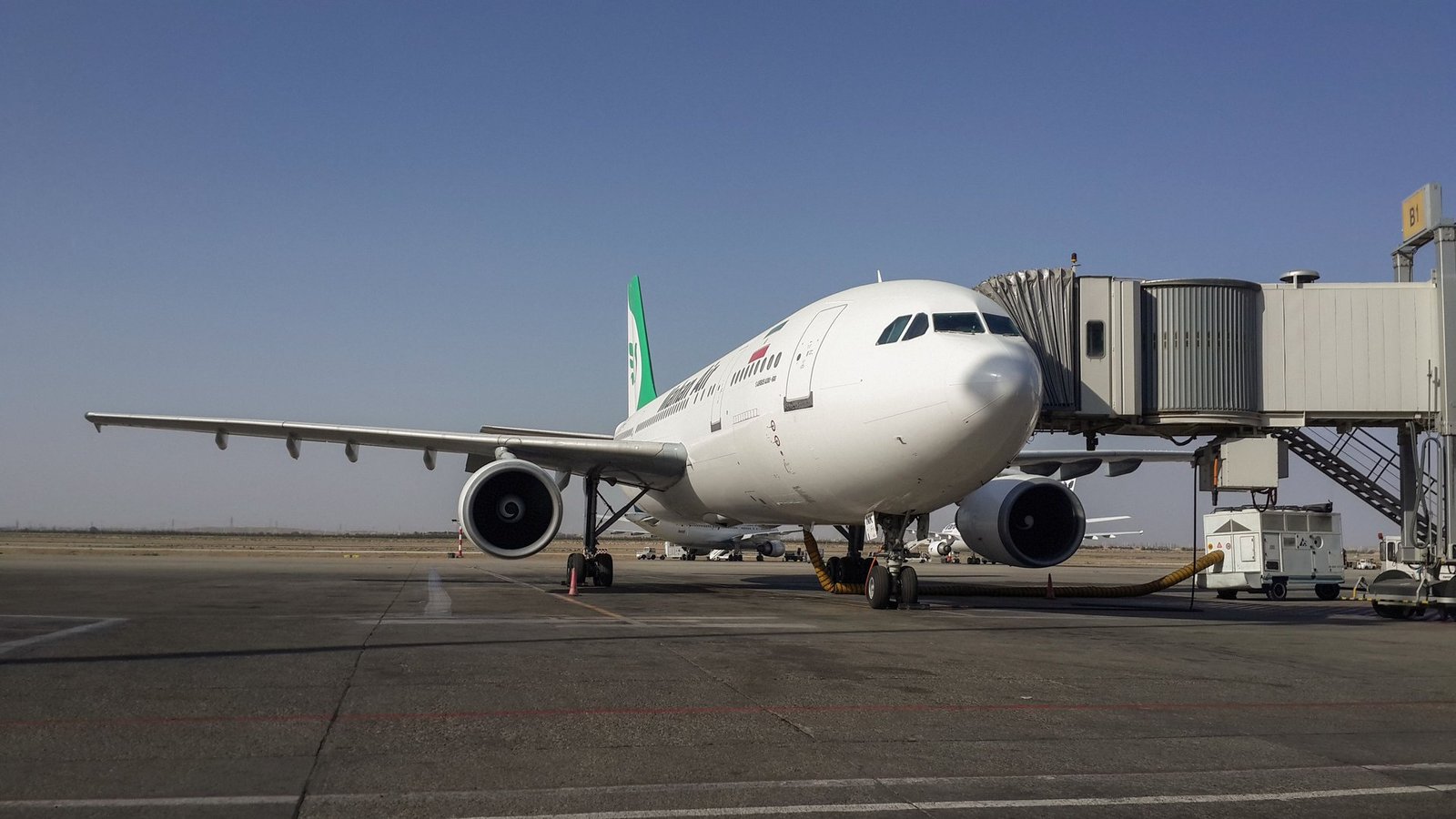
In a significant escalation of tensions, Iranian airlines are halting their international flights in response to newly imposed sanctions by the United States. This decision comes in the wake of an announcement made by US Treasury Secretary Scott Bessent, who outlined a series of measures aimed at further isolating Iran economically.
Background on the Sanctions
The sanctions, which Secretary Bessent referred to as part of an “economic D-Day,” are designed to exert maximum pressure on Iran following a prolonged period of conflict. Over the last seven months, the geopolitical landscape has shifted dramatically as the US and its allies have sought to curb Iran’s influence in the region. The aim of these sanctions is not only to weaken Iran’s economy but also to compel it to alter its current policies.
These recent sanctions represent a continuation of a broader strategy by the US to enforce compliance through economic means. The implications of such measures are profound, affecting not just governmental entities but also everyday citizens who rely on air travel for international connectivity.
Impact on Air Travel and Economy
The suspension of international flights by Iranian airlines is likely to have a ripple effect on the country’s economy, which is already struggling under the weight of prior sanctions. With fewer means to engage in international commerce and tourism, Iranian airlines face dwindling revenues, which may lead to further financial instability within the sector.
Travelers who have plans to fly internationally with Iranian carriers now face uncertainty, as the cancellation of flights disrupts personal and business plans. This move could deter foreign investments and reduce tourism, which are essential to the recovery of Iran’s economy.
Future Implications and Responses
As the situation develops, it is anticipated that Iran may respond to these measures in various ways. The Iranian government has historically resisted external pressures and may seek to strengthen ties with non-Western nations as a counterbalance to US actions. Furthermore, Iran could explore alternative avenues for economic engagement, potentially looking towards other regional powers for support.
The international community will be closely monitoring the repercussions of these sanctions. The potential for further escalation remains high, as both the US and Iran navigate a complex web of diplomatic and military considerations. Moreover, the effectiveness of these sanctions in achieving the desired outcomes remains to be seen, as the global response could vary significantly.
In conclusion, the recent cancellations of international flights by Iranian airlines underscore the profound impact of US sanctions on Iran’s economic landscape. As both nations continue to grapple with their respective positions, the future remains uncertain, marked by the potential for both heightened conflict and possibilities for dialogue. Stakeholders in the aviation and travel industries will need to adapt quickly to these changes as the situation evolves.