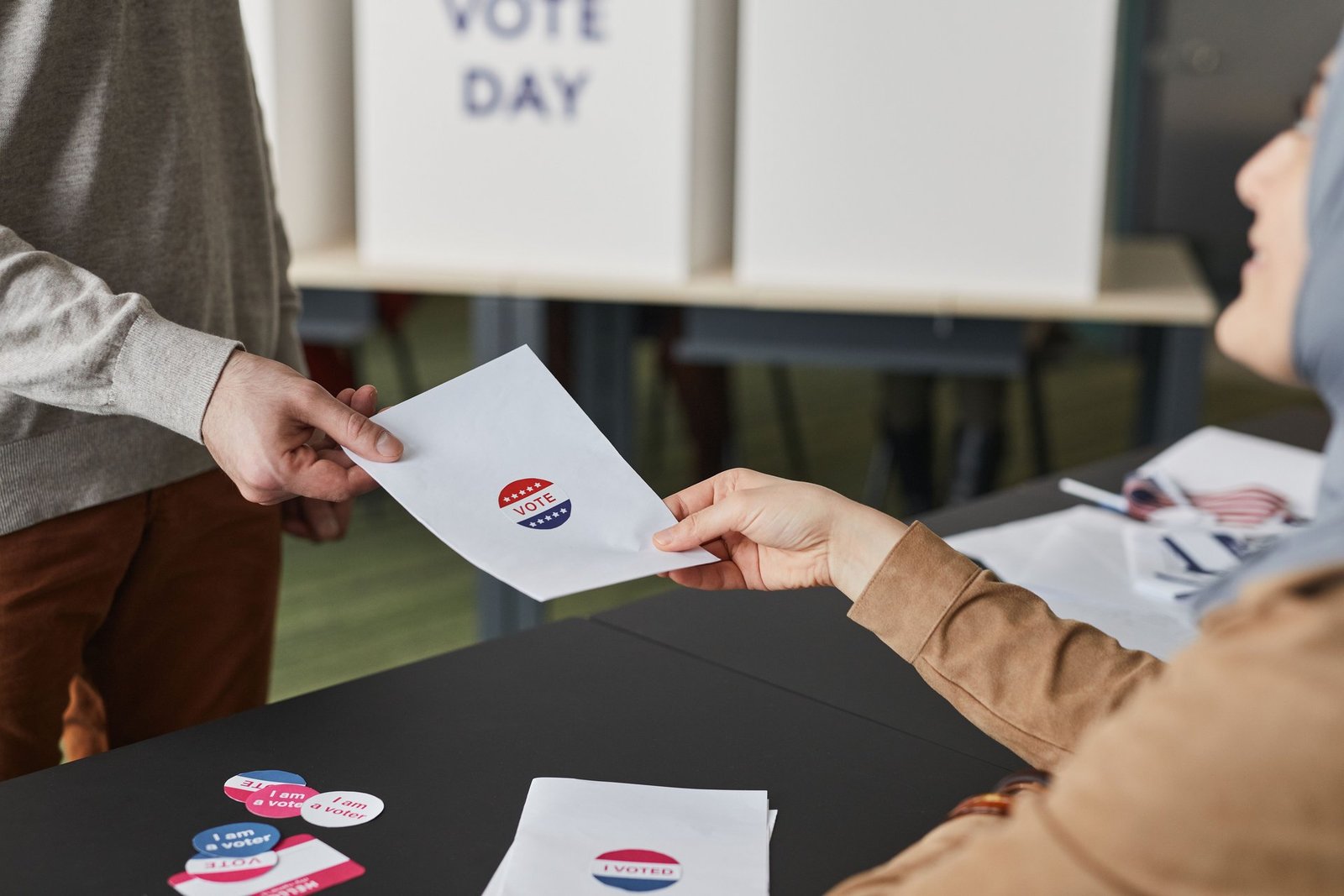
A recent hearing in the Supreme Court regarding the appointment of Election Commissioners has led to significant reflections on the impartiality of the selection process. Justice Dipankar Datta, presiding over the case, emphasized a crucial analogy regarding the neutrality of umpires in cricket. He articulated that allowing the batting team to choose the umpire could lead to inherent biases, raising serious concerns about fairness.
The case in question revolves around the 2023 legislation that outlines the procedures for appointing Election Commissioners in India. This law has sparked debates about the potential impacts on the independence of the Election Commission, a body crucial for upholding the democratic process.
During the proceedings, Justice Datta’s comments resonated with many observers, highlighting that if one party has the power to select officials who oversee electoral processes, the integrity of the election could be compromised. His remarks underscore the importance of maintaining a neutral stance in the appointment of such key figures.
Context of the Case
The Supreme Court’s involvement comes at a time when the role of the Election Commission is under scrutiny, particularly concerning its ability to function independently. The recent legislation has raised alarms among various stakeholders, including political parties, legal experts, and civil society organizations, who are concerned that the appointments could be influenced by political motives.
Justice Datta’s analogy serves as a reminder of the need for robust mechanisms that ensure the Election Commission operates without partisan influences. This case is pivotal as it not only addresses the current law but also sets a precedent for how such appointments should be handled in the future.
With elections playing a fundamental role in the democratic framework of the country, ensuring that the Election Commission remains free from external pressures is essential for maintaining public trust in the electoral process.
Implications of the Ruling
The outcome of this case could have far-reaching implications for the electoral landscape in India. If the Supreme Court rules against the current law, it may necessitate a reevaluation of how Election Commissioners are appointed, potentially leading to reforms aimed at enhancing neutrality and independence.
Additionally, a ruling favoring a more impartial appointment process could bolster public confidence in the Election Commission, reassuring citizens that elections are being conducted fairly and transparently. Conversely, a decision upholding the current law may perpetuate existing concerns regarding the commission’s impartiality.
As the judicial process unfolds, all eyes will be on the Supreme Court, with stakeholders eagerly awaiting a decision that could redefine the framework for electoral oversight in India.