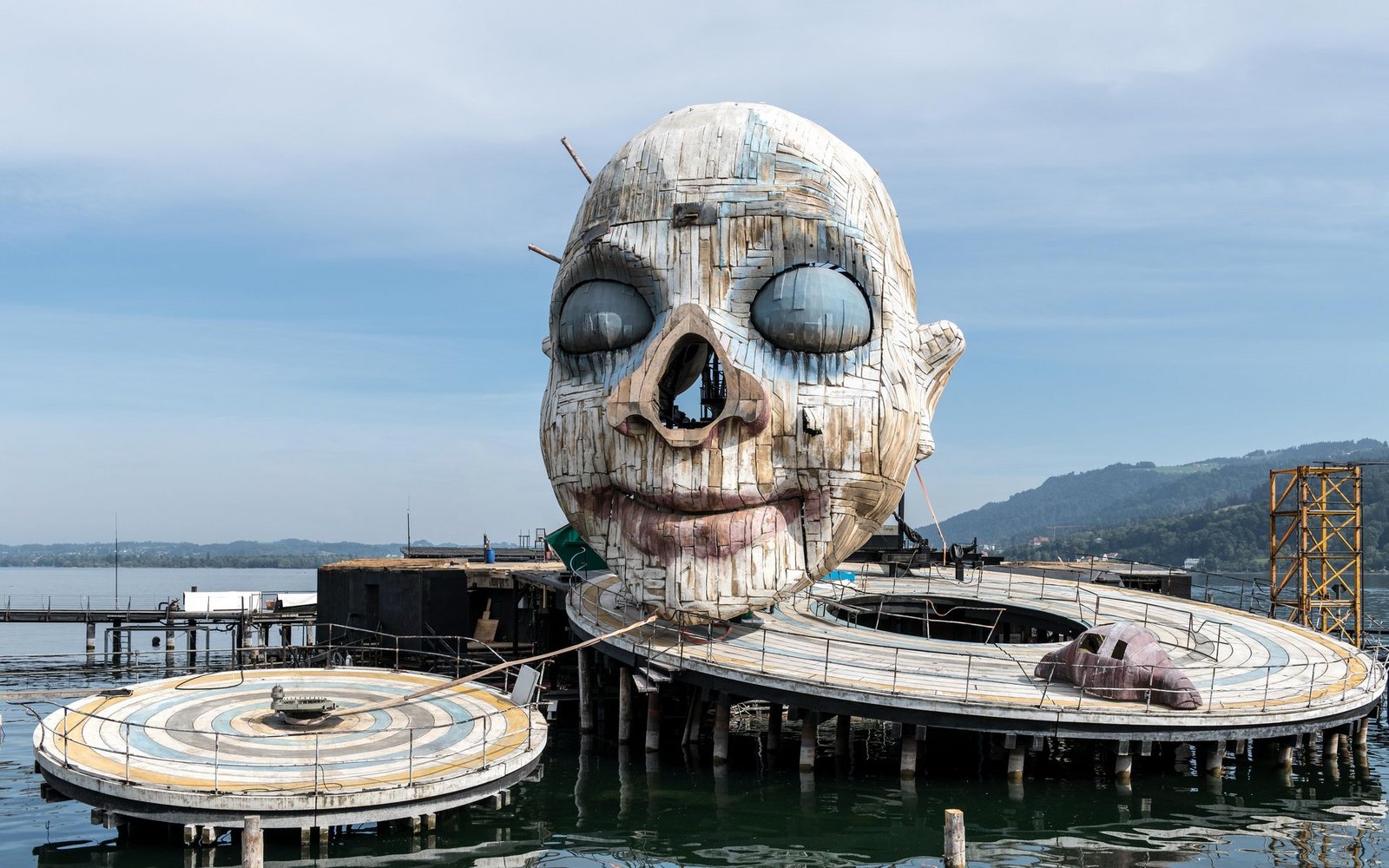
In a bold artistic statement, a recent 3D art installation in Iran has captured the attention of many locals, drawing crowds eager to engage with the provocative display. The artwork, which prominently features former President Donald Trump, has sparked a mix of reactions, from selfies to vocal criticisms directed at the former leader.
According to reports, the installation has become a focal point in Tehran, where residents and visitors alike are stopping to take photographs. However, the atmosphere is charged, as many are using the opportunity to express their disdain for Trump. The Iranian government has accused him of committing war crimes during his administration, particularly in relation to conflicts in the Middle East.
Significance of the Installation
This art piece serves not only as a form of creative expression but also as a political statement reflecting the ongoing tensions between the United States and Iran. The choice to feature Trump is particularly significant, given his administration’s controversial approach to foreign policy in the region, including the withdrawal from the Iran nuclear deal and the imposition of heavy sanctions.
The installation has resonated with many Iranians who feel strongly about the U.S.’s historical involvement in their country and the wider Middle Eastern conflicts. The artwork encapsulates a sense of collective frustration, allowing locals to vent their feelings publicly while also engaging with the artistic medium.
Public Reaction and Political Context
The reaction from the public has been overwhelmingly positive in terms of engagement, with many flocking to the site. The ability to interact with such a bold statement seems to empower the community, allowing them to voice their opinions against a figure who has become emblematic of U.S. foreign policy in their eyes.
As tensions between the two nations continue to simmer, such displays highlight the artistic community’s role in political discourse. The installation is not merely an artistic endeavor but also a catalyst for conversation about the implications of U.S. actions in the region.
Looking Ahead
As the installation continues to attract attention, it remains to be seen how it might influence or reflect ongoing political dialogues. The Iranian government may use such displays to bolster their narratives against perceived foreign aggressors, while local artists could find inspiration in the reactions elicited by the piece.
In a broader context, this installation exemplifies how art can be used as a tool for political commentary, especially in regions where dissent can often be stifled. The ongoing engagement from the public suggests a vibrant discourse surrounding national identity and the impact of international relations.
Source: NDTV India