[ad_1]
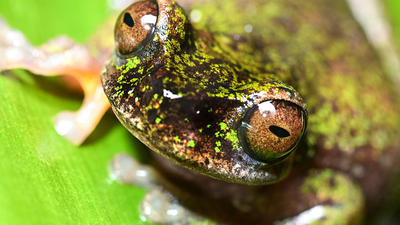
A tiny nocturnal frog has been discovered in Costa Rica’s coffee-growing region. Researcher Wagner Chaves-Acuña told AFP that the newly identified species lives among coffee plantations and nearby waterways, according to findings from colleagues at the University of Costa Rica and Argentina’s National Council for Scientific and Technical Research. The frog, which measures less than 4 centimeters (1.6 inches), has been found in the central Pacific region of the country and is endemic to Costa Rica.
A tiny frog with a distinctive appearance
The small greenish amphibian has been observed in San Lorenzo de Tarrazú, an area known for its highland coffee production. Despite its nickname, the frog does not feed on coffee berries. Instead, it uses vegetation around the plantations for shelter and feeds on small insects. The species has been nicknamed the ‘coffee frog’ because it has been found living among coffee shrubs. It is also associated with the name “spring frog,” reflecting its connection to streams and other water sources.The frog is primarily active at night. Male frogs have a translucent throat that expands when they produce their distinctive short, high-pitched calls. These vocalisations help the animals communicate and can be heard from vegetation around the coffee plantations after dark. The frog’s small size makes it difficult to spot, but its nighttime calls can reveal its presence. Males perch among plants and produce their calls as part of their vocal behaviour.
Coffee plantations and waterways
The newly identified frog lives in an environment where agriculture and natural habitats exist side by side. Coffee plantations provide vegetation and insects that can serve as shelter and food, but agricultural activity also creates challenges for amphibians. The species depends on water during its development, making nearby streams and other aquatic habitats especially important. Its tadpoles develop in aquatic systems, making these waterways important to the species.According to researchers, pesticides used around coffee plantations are among the potential concerns. Agricultural chemicals can move through the environment, entering soil and eventually reaching streams and other waterways. For a species closely associated with aquatic habitats, maintaining clean water is therefore essential. Changes to vegetation around streams and pollution from surrounding agricultural areas could affect the conditions the frog needs to survive.
A new addition to Costa Rica’s wildlife
The discovery adds another species to Costa Rica’s already remarkable diversity of amphibians. Because the frog is endemic to the country, its natural range is limited to Costa Rica. Its discovery also demonstrates that important wildlife can exist in landscapes dominated by agriculture. Coffee-growing regions may appear heavily developed, but streams, vegetation and other natural features can provide habitats for specialised species.The frog’s presence highlights the importance of maintaining these connections between agricultural land and natural ecosystems. Protecting waterways and reducing pollution can help preserve habitats for amphibians and other wildlife living around coffee plantations.Although the frog is only a few centimeters long, its discovery offers a glimpse into the biodiversity hidden within Costa Rica’s coffee-growing landscape. Its nighttime calls provide evidence of a species that can live alongside one of the country’s most important agricultural crops while depending on the surrounding natural environment.
[ad_2]
Source link